

Article
Dr. Albert Keidel
{
  "authors": [
    "Albert Keidel"
  ],
  "type": "legacyinthemedia",
  "centerAffiliationAll": "dc",
  "centers": [
    "Carnegie Endowment for International Peace"
  ],
  "collections": [],
  "englishNewsletterAll": "asia",
  "nonEnglishNewsletterAll": "",
  "primaryCenter": "Carnegie Endowment for International Peace",
  "programAffiliation": "AP",
  "programs": [
    "Asia"
  ],
  "projects": [],
  "regions": [
    "China"
  ],
  "topics": [
    "Economy",
    "Military",
    "Foreign Policy"
  ]
}
REQUIRED IMAGE
Source: Asian Wall Street Journal
Reprinted from The Asian Wall Street Journal © 2004 Dow Jones & Company, Inc. All rights reserved.
(See Corrections & Amplifications item below.)
U.S. President George W. Bush's call last week for the Chinese leadership to revalue the yuan is likely to keep alive various misguided arguments for a revaluation or for an immediate increase in exchange-rate flexibility, which many interpret as synonymous with revaluation.
Politics and lobbying are responsible for these misguided emphases. President Bush's Republican platform states that
But reviewing
Instead of exchange rates, our attention should move on to the more momentous trend symbolized by
Yet
The arguments against
The first asserts that
These crude arguments have problems. A country's trade with just one of its partners tells us little. While
Similarly, China's build-up of foreign-exchange reserves results not from trade surpluses but from capital inflows, many of which are speculative and reflect an effort both to cause currency revaluation and then cash out on it.
The second criticism asserts that
The third variety of criticism calls for a more flexible Chinese currency -- maybe allowing it to fluctuate within a wider band, for example, or pegging it to a basket of currencies. This is a different matter altogether, and calling for more flexibility results in misunderstandings of the issue. Parties concerned about trade confuse flexibility with floating and revaluation, since a floating Chinese currency with continued capital controls would grow stronger. Meanwhile, serious economists deny that flexibility necessarily means revaluation, and point to requirements for eventual capital-account opening. A call for flexibility thus seems to provide pressure for revaluation without actually doing so, and the debate is mired in confusion.
When
The fourth argument calls for Chinese currency revaluation so that other Asian currencies can revalue -- a step considered necessary to correct
But the proper way to account for
It is time to stop scapegoating
Mr. Keidel is senior associate in the
Corrections & Amplifications:
Due to an editing error, this article said in the first sentence that President Bush had called for revaluation of the yuan. The president only called on
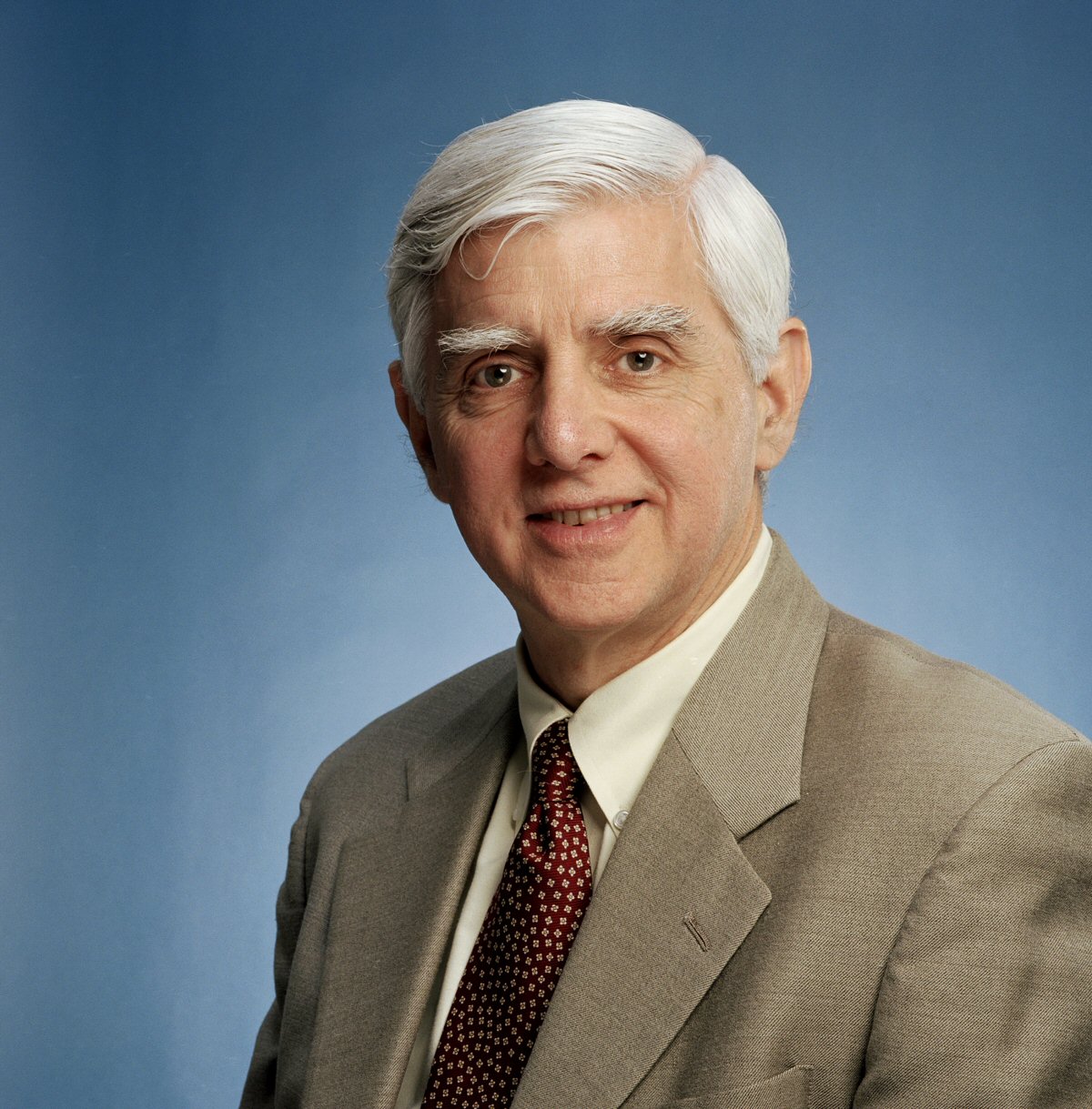
Former Senior Associate, China Program
Keidel served as acting director and deputy director for the Office of East Asian Nations at the U.S. Department of the Treasury. Before joining Treasury in 2001, he covered economic trends, system reforms, poverty, and country risk as a senior economist in the World Bank office in Beijing.
Recent Work
Dr. Albert Keidel
Dr. Albert Keidel
Carnegie does not take institutional positions on public policy issues; the views represented herein are those of the author(s) and do not necessarily reflect the views of Carnegie, its staff, or its trustees.

In an interview, Ian Lustick and Eli Clifton discuss their new book on why a prominent ally has so much influence in America.

Michael Young

Huawei pushed hard to enter the Egyptian data centers market, until the Americans made a better offer.

Angie Omar

By failing to address Palestinian representation, the current process is bound to lead to just another temporary arrangement.

Nathan J. Brown

The armed forces champion a form of capitalism that is generating revenue, but its reliance on rent faces diminishing returns, leaving the country with massive sunk costs and deferred returns, deepening dependency on external borrowing.

Yezid Sayigh

Just look at Iraq in 1991.

Marwan Muasher