• Research
  • Diwan
  • About
  • Experts
Carnegie Middle East logoCarnegie lettermark logo
PalestineSyria
{
  "authors": [
    "Husain Haqqani"
  ],
  "type": "testimony",
  "centerAffiliationAll": "dc",
  "centers": [
    "Carnegie Endowment for International Peace"
  ],
  "collections": [],
  "englishNewsletterAll": "",
  "nonEnglishNewsletterAll": "",
  "primaryCenter": "Carnegie Endowment for International Peace",
  "programAffiliation": "SAP",
  "programs": [
    "South Asia"
  ],
  "projects": [],
  "regions": [
    "South Asia",
    "Pakistan"
  ],
  "topics": [
    "Political Reform",
    "Democracy",
    "Security",
    "Foreign Policy",
    "Nuclear Policy"
  ]
}
Source: Getty

Testimony

The United States and Pakistan: Navigating a Complex Relationship

Testimony by Husain Haqqani before the the U.S. Commission on International Religious Freedom.

Link Copied
By Mr. Husain Haqqani
Published on Jun 30, 2005

On June 30, 2005, Husain Haqqani, Visiting Scholar, Carnegie Endowment for International Peace and Associate Professor of International Relations, Boston University testified before the the U.S. Commission on International Religious Freedom at a hearing on "The United States and Pakistan: Navigating a Complex Relationship."


I would like to begin by thanking the members of the U.S. Commission on International Religious Freedom for the privilege of testifying before you on the situation in Pakistan and U.S. relations with this extremely important country.


Pakistan and the United States have been allies since the 1950s but their relations have been far from tension free. When it emerged as an independent state in 1947, Pakistan was considered a moderate Muslim nation that could serve as a model for other emerging independent Muslim states. Pakistan’s founder, Muhammad Ali Jinnah, was a Shia Muslim. Its first law minister was a Hindu. Its foreign minister belonged to the Ahmadiyya religious community. Although Pakistan’s birth was accompanied by religious riots and communal violence, the country’s founders clearly intended to create a non-sectarian state that would protect religious freedoms and provide the Muslims of South Asia an opportunity to live in a country where the constituted a majority. Continued >>

Click on the link to the right for the full text of this testimony.  
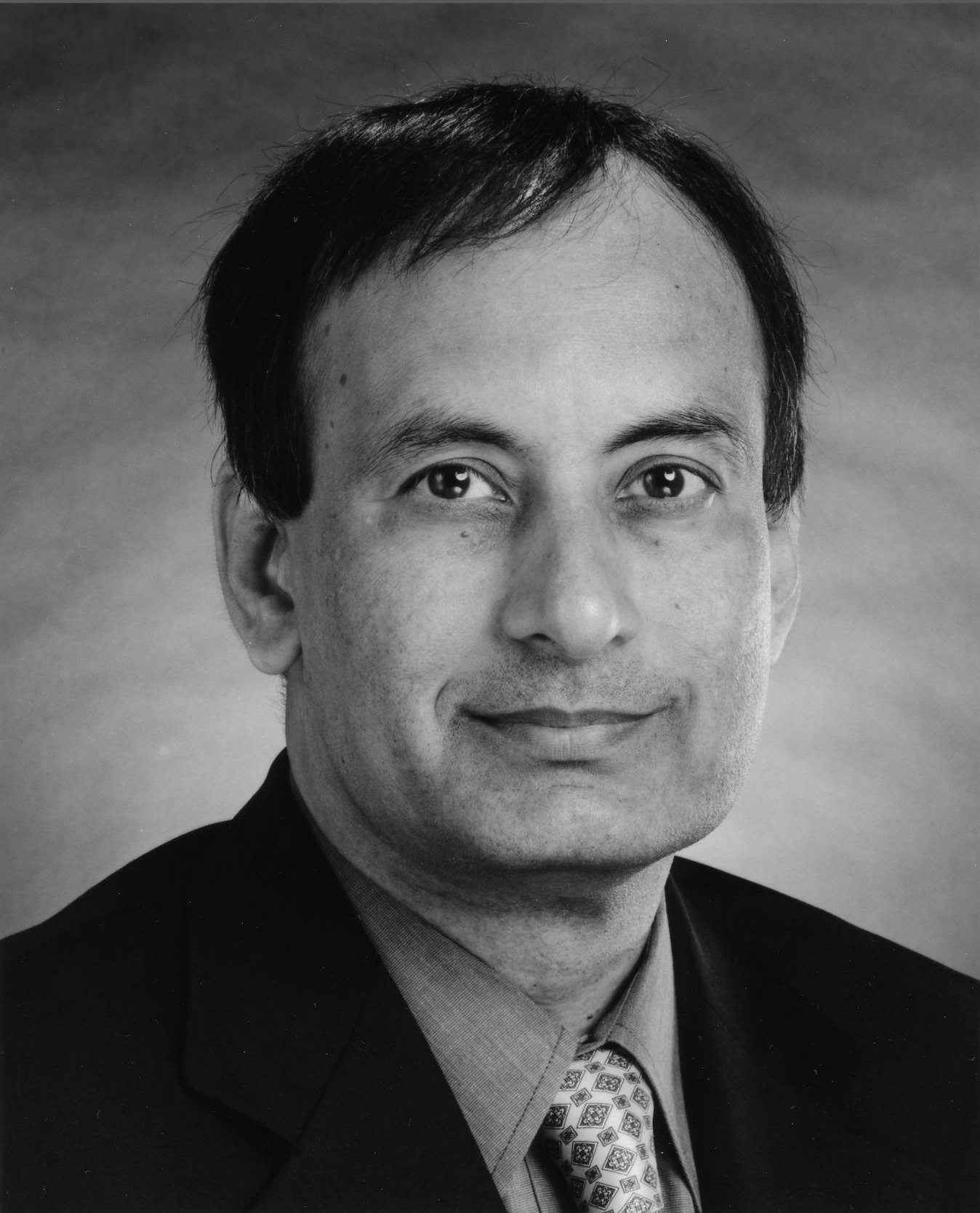
About the Author

Mr. Husain Haqqani

Former Visiting Scholar

    Recent Work

  • Report
    India and Pakistan: Is Peace Real This Time?: A Conversation between Husain Haqqani and Ashley J. Tellis

      Mr. Husain Haqqani, Ashley J. Tellis

  • Other
    America's New Alliance with Pakistan: Avoiding the Traps of the Past

      Mr. Husain Haqqani

Mr. Husain Haqqani
Former Visiting Scholar
Husain Haqqani
Political ReformDemocracySecurityForeign PolicyNuclear PolicySouth AsiaPakistan

Carnegie does not take institutional positions on public policy issues; the views represented herein are those of the author(s) and do not necessarily reflect the views of Carnegie, its staff, or its trustees.

More Work from Malcolm H. Kerr Carnegie Middle East Center

  • Commentary
    Diwan
    Iran and the New Geopolitical Moment

    A coalition of states is seeking to avert a U.S. attack, and Israel is in the forefront of their mind.

      Michael Young

  • Commentary
    Carnegie Politika
    Baku Proceeds With Caution as Ethnic Azeris Join Protests in Neighboring Iran

    Baku may allow radical nationalists to publicly discuss “reunification” with Azeri Iranians, but the president and key officials prefer not to comment publicly on the protests in Iran.

      Bashir Kitachaev

  • Commentary
    Diwan
    Iran’s Woes Aren’t Only Domestic

    The country’s leadership is increasingly uneasy about multiple challenges from the Levant to the South Caucasus.

      Armenak Tokmajyan

  • A municipal employee raises the US flag among those of other nations in Sharm el-Sheikh, as the Egyptian Red Sea resort town gets ready to receive international leaders, following a Gaza ceasefire agreement, on October 11, 2025.
    Article
    The Tragedy of Middle Eastern Politics

    The countries of the region have engaged in sustained competition that has tested their capacities and limitations, while resisting domination by rivals. Can a more stable order emerge from this maelstrom, and what would it require?

      • Mohamed Ali Adraoui

      Hamza Meddeb, Mohamed Ali Adraoui

  • Paper
    The United States and the Emerging Security Order in Eastern Syria

    As Washington reduces its presence in the country, the success of its withdrawal and continued containment of the Islamic State will hinge on adopting an approach of flexible oversight built around three priorities, as well as balancing Turkish and Israeli red lines.

      Kheder Khaddour, Issam Kayssi

Get more news and analysis from
Malcolm H. Kerr Carnegie Middle East Center
Carnegie Middle East logo, white
  • Research
  • Diwan
  • About
  • Experts
  • Projects
  • Events
  • Contact
  • Careers
  • Privacy
  • For Media
Get more news and analysis from
Malcolm H. Kerr Carnegie Middle East Center
© 2026 Carnegie Endowment for International Peace. All rights reserved.