

Commentary
By failing to address Palestinian representation, the current process is bound to lead to just another temporary arrangement.
Nathan J. Brown
{
  "authors": [
    "Anders Aslund",
    "Oliver Bronsen",
    "Susan J. Cavan",
    "William Dunkerley",
    "Julian Evans",
    "David Gillespie",
    "Roger Hamburg",
    "Edward Lozansky",
    "Jeremy Putley",
    "Ira Strauss"
  ],
  "type": "other",
  "centerAffiliationAll": "dc",
  "centers": [
    "Carnegie Endowment for International Peace"
  ],
  "collections": [],
  "englishNewsletterAll": "ctw",
  "nonEnglishNewsletterAll": "",
  "primaryCenter": "Carnegie Endowment for International Peace",
  "programAffiliation": "russia",
  "programs": [
    "Russia and Eurasia"
  ],
  "projects": [],
  "regions": [
    "Caucasus",
    "Russia"
  ],
  "topics": [
    "Political Reform",
    "Democracy",
    "Foreign Policy"
  ]
}
REQUIRED IMAGE
Anders Aslund’s policy brief, “Putin’s Decline and America’s Response,” has provoked a fiery debate over the nature and future of the Putin regime. Some commentators insist that Russia’s real authoritarian turn took place under Yeltsin, while others agree, with Aslund, that Putin has tightened the screws. Some believe Putin’s government has been ineffective in dealing with crises like Beslan, while others call such criticism misguided and unfair.
Few take direct issue with Aslund’s most surprising claim: that Putin may not survive in power until the 2008 elections. But the experts vary widely in their assessment of which social forces could spark an anti-Putin movement.
This document includes postings that originally appeared on Johnson’s Russia List, including Aslund’s response to criticism of his work.
Click on the link to the right for the full text.
Former Senior Associate, Director, Russian and Eurasian Program
Oliver Bronsen
Susan J. Cavan
Boston University
William Dunkerley
William Dunkerley Publishing Consultants
Julian Evans
David Gillespie
Roger Hamburg
Edward Lozansky
Jeremy Putley
Ira Strauss
Carnegie does not take institutional positions on public policy issues; the views represented herein are those of the author(s) and do not necessarily reflect the views of Carnegie, its staff, or its trustees.

By failing to address Palestinian representation, the current process is bound to lead to just another temporary arrangement.

Nathan J. Brown
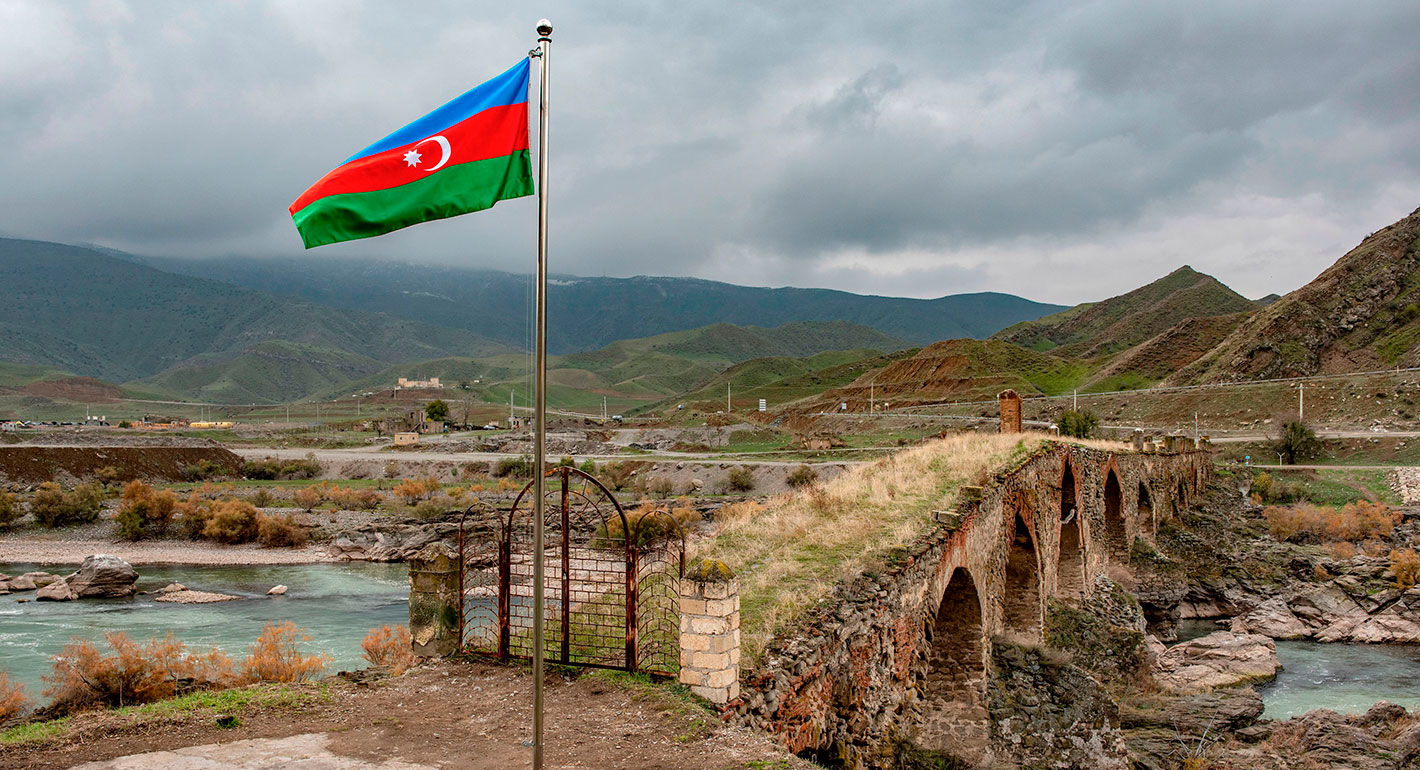
In an interview, Sergei Melkonian discusses Armenia’s and Azerbaijan’s careful balancing act among the United States, Israel, and Iran.

Armenak Tokmajyan

Just look at Iraq in 1991.

Marwan Muasher

A coalition of states is seeking to avert a U.S. attack, and Israel is in the forefront of their mind.

Michael Young

Baku may allow radical nationalists to publicly discuss “reunification” with Azeri Iranians, but the president and key officials prefer not to comment publicly on the protests in Iran.

Bashir Kitachaev