

Article
Thomas Carothers
{
  "authors": [
    "Thomas Carothers"
  ],
  "type": "legacyinthemedia",
  "centerAffiliationAll": "dc",
  "centers": [
    "Carnegie Endowment for International Peace"
  ],
  "collections": [
    "Democracy and Governance"
  ],
  "englishNewsletterAll": "democracy",
  "nonEnglishNewsletterAll": "",
  "primaryCenter": "Carnegie Endowment for International Peace",
  "programAffiliation": "DCG",
  "programs": [
    "Democracy, Conflict, and Governance"
  ],
  "projects": [],
  "regions": [
    "North America",
    "Middle East",
    "China"
  ],
  "topics": [
    "Political Reform",
    "Democracy"
  ]
}
Source: Getty
In the second half of the 1990s, a counterreaction emerged to the heady enthusiasm about democracy promotion that flourished during the peak years of democracy’s “third wave” in the late 1980s and early 1990s. Believing that the global democratic wave had been oversold, several policy experts and scholars produced a series of influential articles articulating a pessimistic, cautionary view.
Source: Journal of Democracy

Click on PDF icon above to read full article.

Harvey V. Fineberg Chair for Democracy Studies; Senior Fellow, Democracy, Conflict, and Governance Program
Thomas Carothers, a senior fellow in the Carnegie Endowment for International Peace’s Democracy, Conflict, and Governance Program, is a leading expert on comparative democratization and international support for democracy.
Recent Work
Thomas Carothers
Thomas Carothers
Carnegie does not take institutional positions on public policy issues; the views represented herein are those of the author(s) and do not necessarily reflect the views of Carnegie, its staff, or its trustees.

As the U.S. stumbles in its war with Iran, we are likely to see an acceleration of its disengagement from the region.

Michael Young
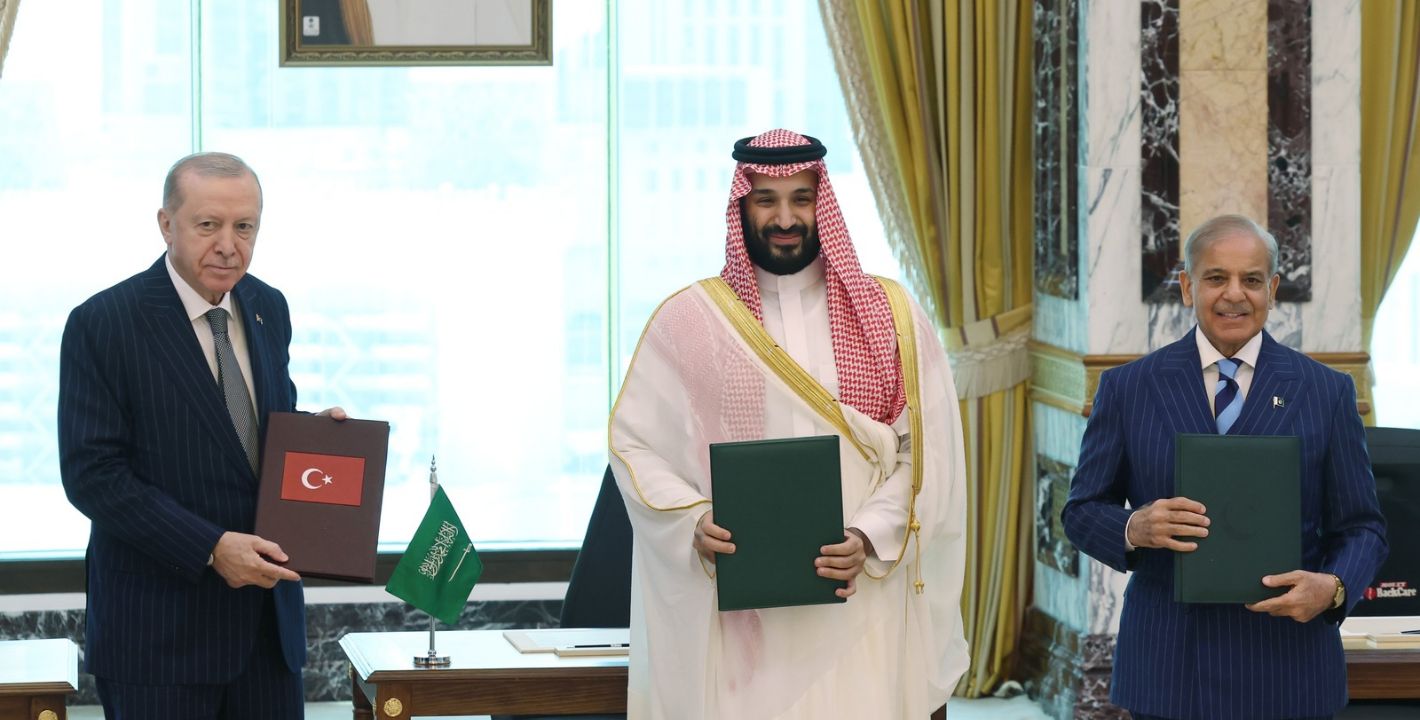
The accord represents a pivotal moment in the region to avert a security vacuum in the Gulf.


Azeema Cheema, Mohanad Hage Ali
In an interview, Jason Burke discusses his sweeping account of the “revolutionists” who so shaped the 1970s and early 1980s.
Michael Young

Just look at Iraq in 1991.

Marwan Muasher

As Iran defends its interests in the region and its regime’s survival, it may push Hezbollah into the abyss.
Michael Young