

Commentary
In an interview, Ian Lustick and Eli Clifton discuss their new book on why a prominent ally has so much influence in America.
Michael Young
{
  "authors": [
    "Michele Dunne",
    "Amr Hamzawy"
  ],
  "type": "legacyinthemedia",
  "centerAffiliationAll": "dc",
  "centers": [
    "Carnegie Endowment for International Peace"
  ],
  "collections": [],
  "englishNewsletterAll": "democracy",
  "nonEnglishNewsletterAll": "",
  "primaryCenter": "Carnegie Endowment for International Peace",
  "programAffiliation": "DCG",
  "programs": [
    "Democracy, Conflict, and Governance",
    "Middle East"
  ],
  "projects": [],
  "regions": [
    "North America",
    "United States",
    "Middle East",
    "Israel",
    "North Africa",
    "Egypt",
    "Morocco",
    "Iraq",
    "Lebanon",
    "Jordan",
    "Palestine",
    "Bahrain",
    "Yemen"
  ],
  "topics": [
    "Political Reform",
    "Democracy",
    "Security",
    "Military",
    "Foreign Policy"
  ]
}
Source: Getty
Facing an urgent need to defuse crises in Iraq, Lebanon, and Palestine, the United States is now focusing primarily on Arab states' foreign policy behavior and relegating democracy promotion to the background. But despite the risks of encouraging political change in an already chaotic region, abandoning Middle East democracy as a strategic goal would be a tragic and unnecessary mistake.
Source: Al Ahram Weekly

The reasoning that drove the United States to reverse 60 years of support for authoritarianism in the Middle East is still sound: the region desperately needs political freedom in order to foster human and economic development and undermine extremism and isolationism. Last year's events have made abundantly clear that democracy alone will not solve the problems of Iraq, Lebanon, and Palestine, but will have to be paired with serious efforts at conflict resolution. But in the majority of the Middle East that is distant from such crises, opportunities for progress towards democracy abound.
Calls to abandon democracy promotion are built partly on the false assumption that conflicts in Iraq and Lebanon have endangered stability throughout the Middle East. It is simply not true that growing Shia-Sunni tensions in Iraq are provoking political instability elsewhere, even in nearby Gulf countries with significant Shia communities. Equally, the rise of Iran as a regional super power, although a source of concern among Arabs, has had little impact on domestic politics except in Iraq and Lebanon. Granted, the 2006 Lebanon war highlighted the polarity of anti-US resistance movements and pro-US governments, but this development has not harmed countries outside the crisis hubs.
Countries such as Morocco, Egypt, Jordan, Bahrain and Yemen have in different ways begun to open up political space in recent years. Undoubtedly, the tentative progress made in most of these cases has neither lived up to international expectations nor to the hopes of homegrown democracy activists. But all have remained remarkably stable in the face of regional crises and have maintained the trajectory of gradual political opening, albeit with many ups and downs. In Jordan, for example, the Arab society most directly affected by deteriorating conditions in Iraq and Palestine, the pattern of controlled confrontation between the regime and a strong Islamist opposition reveals a democratisation potential based on including Islamists in the political process as a way to strengthen the regime's legitimacy and promote moderation in the Islamist camp.
Egypt, the most populous Arab country and a political linchpin, offers a special opportunity now, but one that may be squandered if the United States does not encourage forward movement. The ruling National Democratic Party has reinvented itself as the champion of political and economic reform under the leadership of presidential scion Gamal Mubarak, who is positioning himself for a future run for the presidency. The party is proposing extensive constitutional amendments, spurring intense debates with opposition politicians and civil society activists. The Muslim Brotherhood, the Islamist movement that won almost a quarter of the parliament's seats in 2005, has developed a strategic commitment to peaceful participation in legal politics. Contrary to its international image, the Egyptian Brotherhood is becoming an opposition that plays politics by the rules.
The United States should combine conflict resolution and democracy promotion in the Middle East's trouble spots, while pursuing democratisation with seriousness and patience in other countries. In so doing, the United States should base its strategic friendships with Arab governments not only on shared regional objectives, but also on whether they are fostering freedom and development for their citizens. Unless so-called moderates reform their polities, they are doomed to be less effective than they might be and permanently on the defensive in an Arab public space increasingly disenchanted with America's authoritarian friends.
Michele Dunne and Amr Hamzawy are senior associates at the Carnegie Endowment for International Peace.

Former Nonresident Scholar, Middle East Program
Michele Dunne was a nonresident scholar in Carnegie’s Middle East Program, where her research focuses on political and economic change in Arab countries, particularly Egypt, as well as U.S. policy in the Middle East.

Director, Middle East Program
Amr Hamzawy is a senior fellow and the director of the Carnegie Middle East Program. His research and writings focus on Egypt’s and other middle powers’ involvement in regional security in the Middle East, particularly through collective diplomacy and multilateral conflict resolution
Carnegie does not take institutional positions on public policy issues; the views represented herein are those of the author(s) and do not necessarily reflect the views of Carnegie, its staff, or its trustees.

In an interview, Ian Lustick and Eli Clifton discuss their new book on why a prominent ally has so much influence in America.

Michael Young

As the U.S. stumbles in its war with Iran, we are likely to see an acceleration of its disengagement from the region.
Michael Young
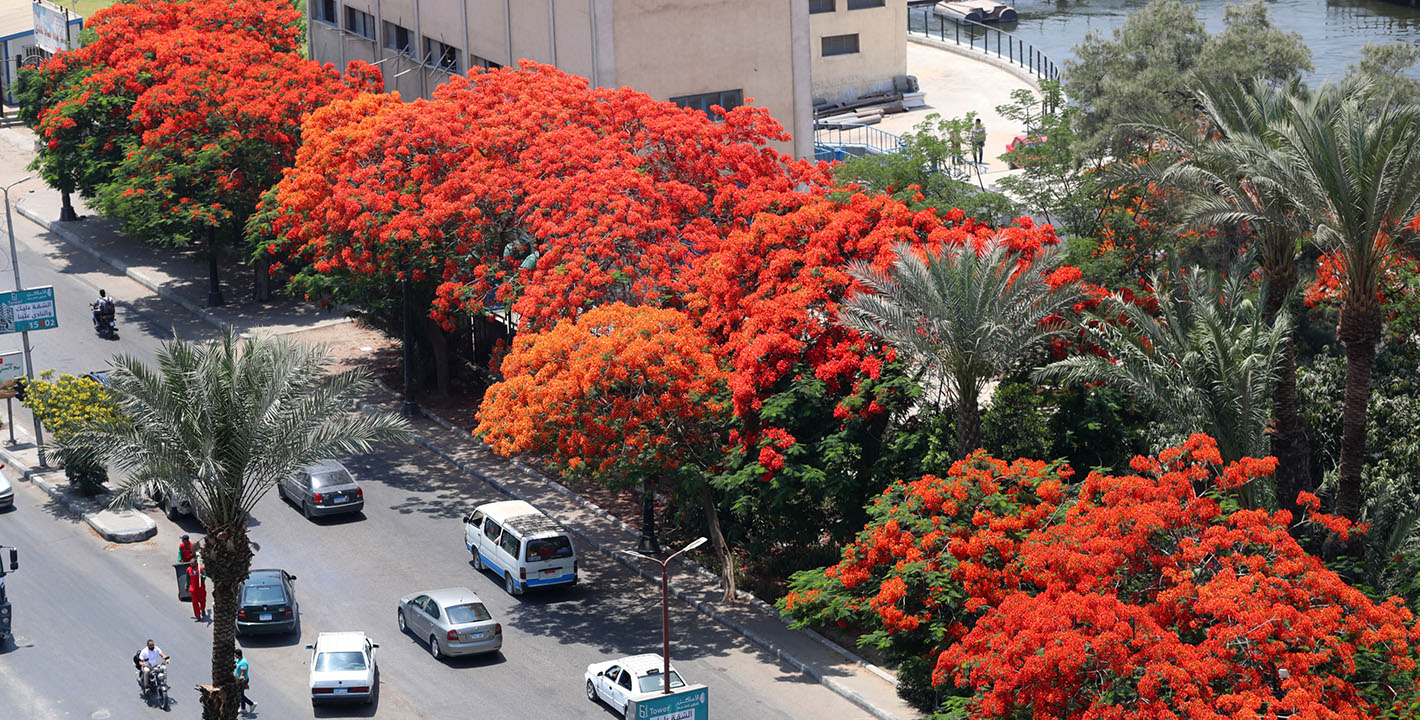
In Egypt’s dense cities, the disappearance of foliage has health implications and punishes daily commuters.

Angie Omar
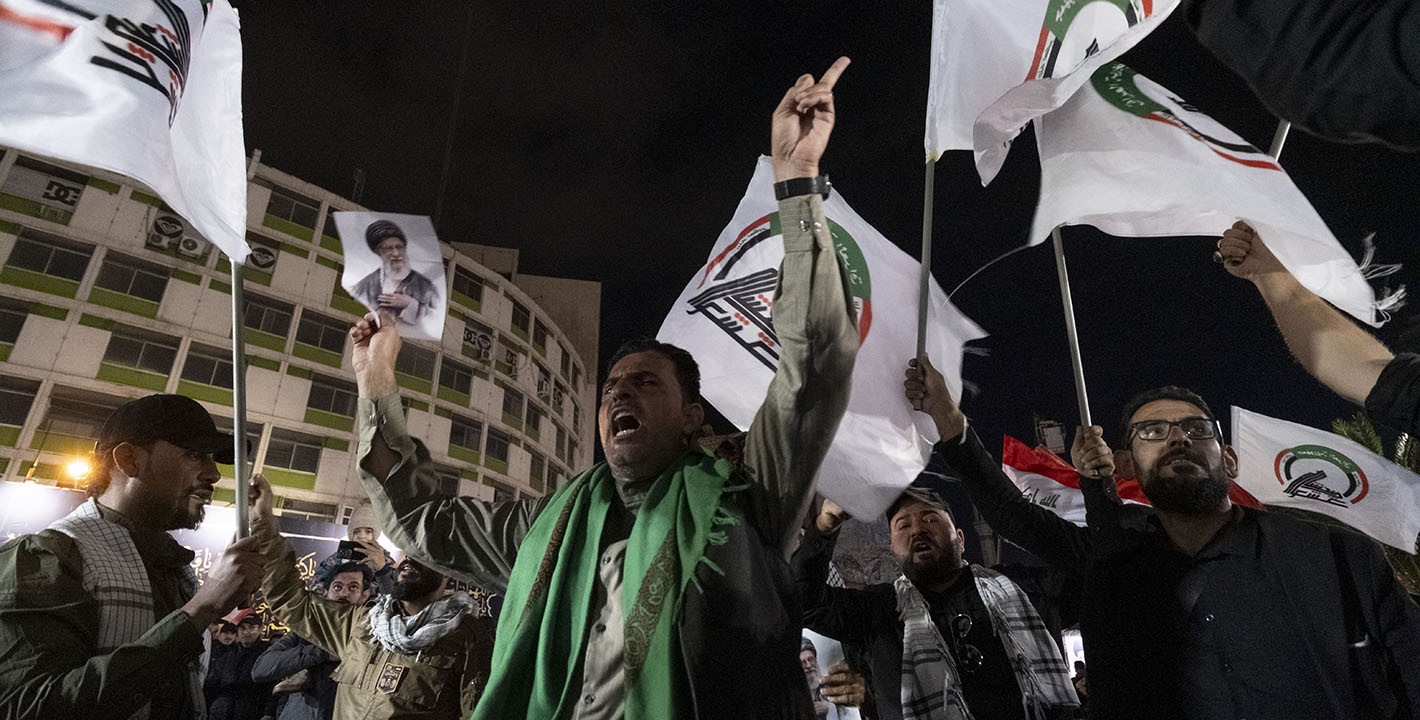
The Zaidi government’s objective to collect weapons is constrained by regional conflict, but it can take certain measures at home.
Ali Al-Mawlawi

It is improbable that Israel’s forthcoming elections will alter much in terms of how the country thinks about security.

Nathan J. Brown