

Commentary
In an interview, Ian Lustick and Eli Clifton discuss their new book on why a prominent ally has so much influence in America.
Michael Young
{
  "authors": [
    "Maria Lipman",
    "Robert Kagan",
    "Anne Barnard"
  ],
  "type": "legacyinthemedia",
  "centerAffiliationAll": "dc",
  "centers": [
    "Carnegie Endowment for International Peace",
    "Carnegie Russia Eurasia Center"
  ],
  "collections": [],
  "englishNewsletterAll": "ctw",
  "nonEnglishNewsletterAll": "",
  "primaryCenter": "Carnegie Russia Eurasia Center",
  "programAffiliation": "russia",
  "programs": [
    "Russia and Eurasia"
  ],
  "projects": [],
  "regions": [
    "Caucasus",
    "Russia",
    "Georgia"
  ],
  "topics": [
    "Foreign Policy"
  ]
}
REQUIRED IMAGE
As Russian forces move deeper into Georgia, it is clear that despite questions over who started the conflict Russia’s ambitions are far larger than attaining the two Georgian separatist regions- South Ossetia and Abkhazia.
Source: NPR's On Point with Tom Ashbrook
As the Russia-Georgia conflict escalates, Masha Lipman and Bob Kagan analyze the catalyst for this clash on NPR’s On Point with Tom Ashbrook. While both agree that the crisis indicates a greater Russian ambition than simply annexing South Ossetia and Abkhazia, Lipman and Kagan disagree over what originally prompted the conflict.
Lipman argues that, “There is no doubt that Georgia has started it” and calls the original Georgian strikes, “a very bad miscalculation." Kagan on the other hand sees Russia as the main driver for the events that have now unfolded. He says, “Putin has been putting pressure on Georgia for years,” and that, “everyone was hoping that Saakashvili would tolerate this indefinitely.”

Former Scholar in Residence, Society and Regions Program, Editor in Chief, Pro et Contra, Moscow Center
Lipman was the editor in chief of the Pro et Contra journal, published by the Carnegie Moscow Center. She was also the expert of the Carnegie Moscow Center’s Society and Regions Program.

Former Senior Associate
Kagan, author of the recent book, The Return of History and the End of Dreams (Knopf 2008), writes a monthly column on world affairs for the Washington Post and is a contributing editor at both the Weekly Standard and the New Republic.
Anne Barnard
Carnegie does not take institutional positions on public policy issues; the views represented herein are those of the author(s) and do not necessarily reflect the views of Carnegie, its staff, or its trustees.

In an interview, Ian Lustick and Eli Clifton discuss their new book on why a prominent ally has so much influence in America.
Michael Young
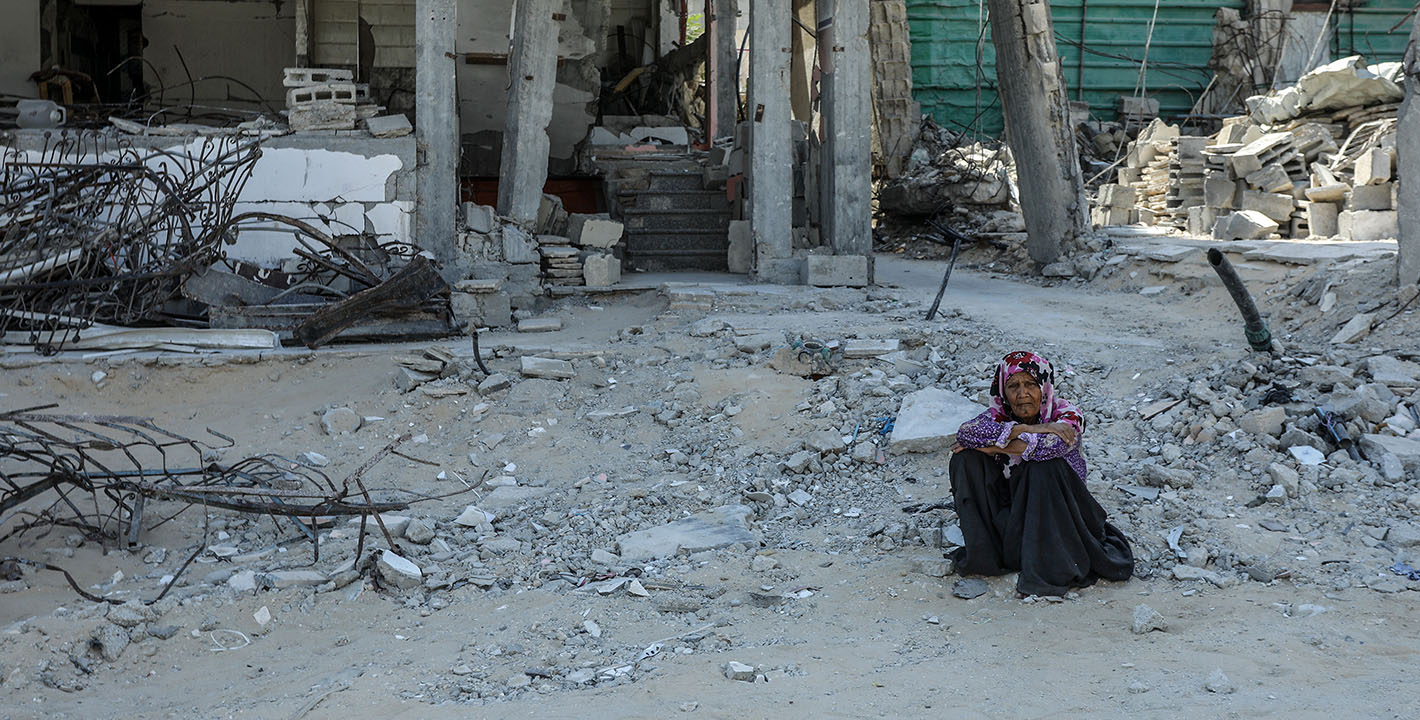
By failing to address Palestinian representation, the current process is bound to lead to just another temporary arrangement.

Nathan J. Brown
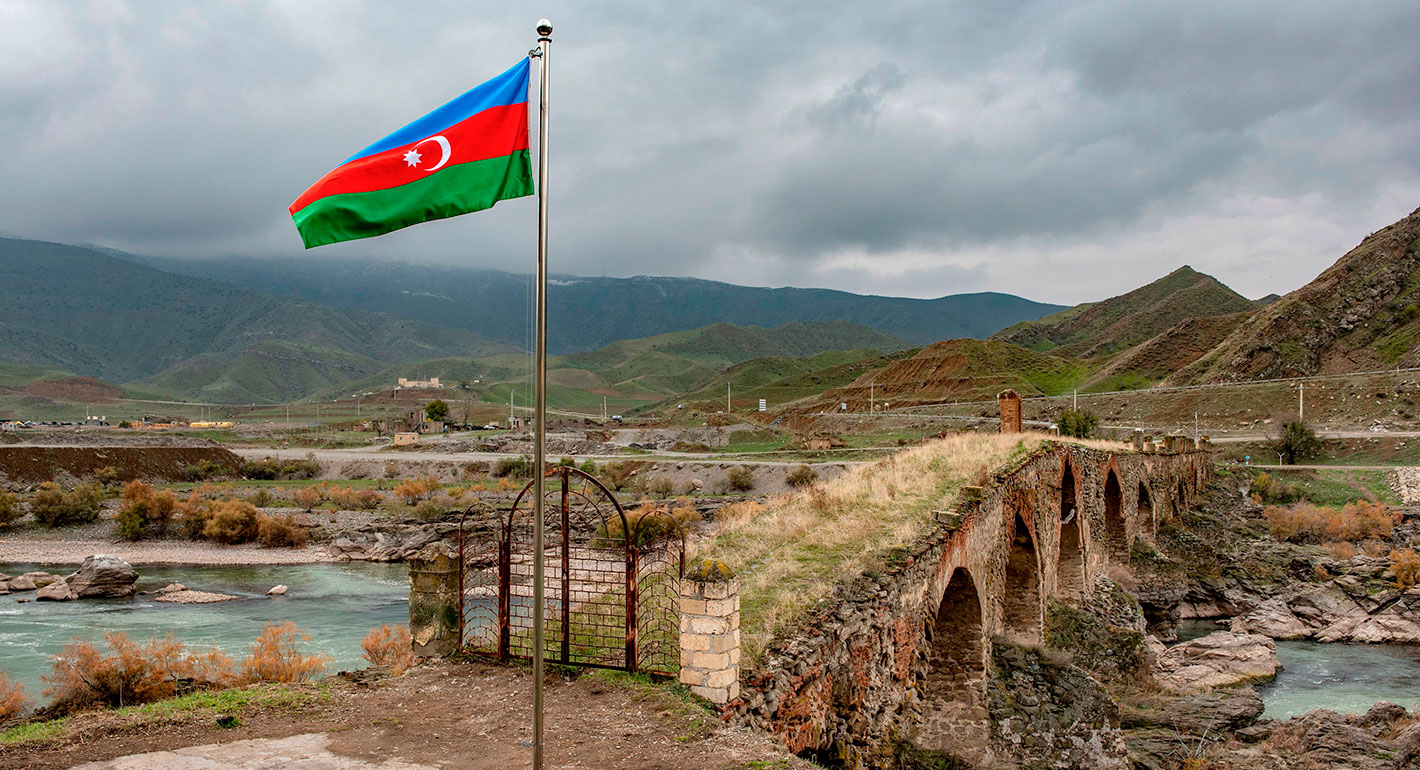
In an interview, Sergei Melkonian discusses Armenia’s and Azerbaijan’s careful balancing act among the United States, Israel, and Iran.

Armenak Tokmajyan
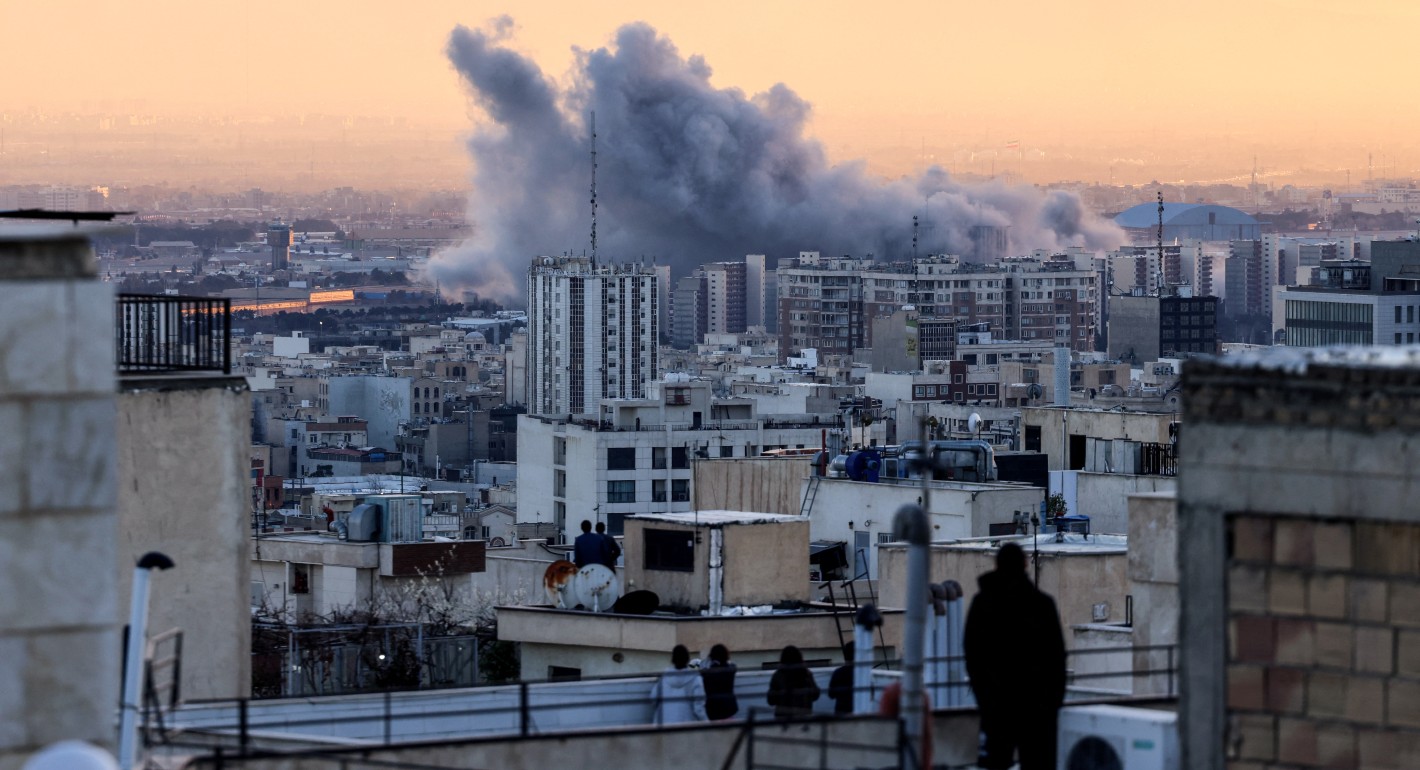
Just look at Iraq in 1991.

Marwan Muasher

A coalition of states is seeking to avert a U.S. attack, and Israel is in the forefront of their mind.
Michael Young