

Commentary
By failing to address Palestinian representation, the current process is bound to lead to just another temporary arrangement.
Nathan J. Brown
{
  "authors": [],
  "type": "pressRelease",
  "centerAffiliationAll": "dc",
  "centers": [
    "Carnegie Endowment for International Peace"
  ],
  "collections": [],
  "englishNewsletterAll": "ctw",
  "nonEnglishNewsletterAll": "",
  "primaryCenter": "Carnegie Endowment for International Peace",
  "programAffiliation": "russia",
  "programs": [
    "Russia and Eurasia"
  ],
  "projects": [],
  "regions": [
    "Caucasus",
    "Russia"
  ],
  "topics": [
    "Foreign Policy"
  ]
}
REQUIRED IMAGE
To overcome its current challenges, Moscow must begin thinking strategically. Policy makers need to open space for public debate and engage in substantive discussions on critical global issues, and Western governments and institutions need to open the door to independent Russian voices.
MOSCOW, Jan 7—The Kremlin was able to consolidate its domestic authority and assert itself globally during Russia’s economic boom, but economic, security, and governance crises have shaken Moscow’s confidence. If it is to overcome its current challenges, Moscow must begin thinking strategically. To do this, policy makers need to open space for public debate and engage in substantive discussions on critical global issues—and Western governments and institutions need to open the door to independent Russian voices—contends a new paper by Sam Greene and Dmitri Trenin.
Key Conclusions:
While these challenges must be addressed by the Russian people and their leaders, the West can help:
The authors conclude:
“If the West seeks to exploit Russia’s absence for its own competitive advantage, a future democratic Russia will rightly feel it has been mistreated, and Russia’s nationalists and isolationists will once again win the day. Eventually, Russia’s interests will have to be taken into account, and there is no reason that moment has to wait until the Kremlin learns to express them clearly and constructively.”
###
NOTES
Carnegie does not take institutional positions on public policy issues; the views represented herein are those of the author(s) and do not necessarily reflect the views of Carnegie, its staff, or its trustees.

By failing to address Palestinian representation, the current process is bound to lead to just another temporary arrangement.

Nathan J. Brown
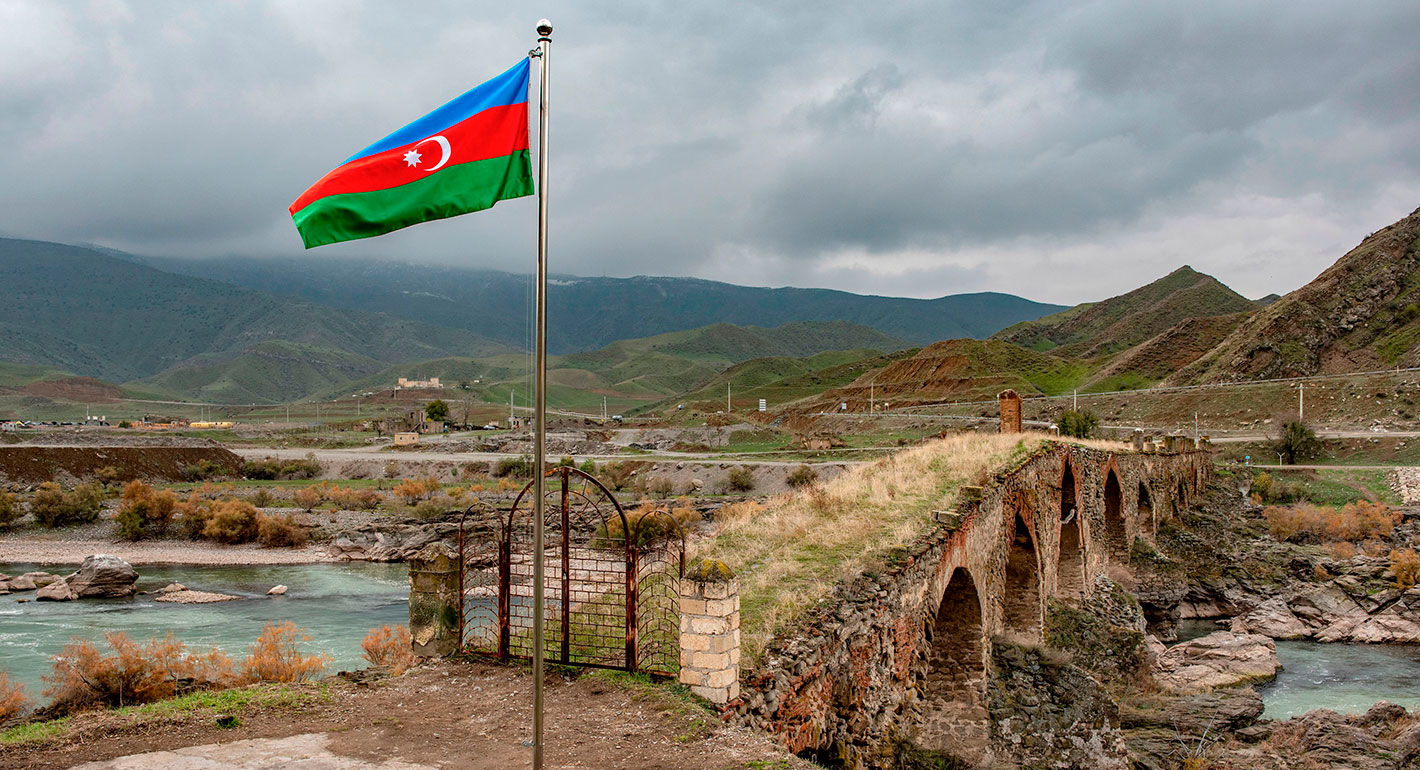
In an interview, Sergei Melkonian discusses Armenia’s and Azerbaijan’s careful balancing act among the United States, Israel, and Iran.

Armenak Tokmajyan

Just look at Iraq in 1991.

Marwan Muasher

A coalition of states is seeking to avert a U.S. attack, and Israel is in the forefront of their mind.

Michael Young

Baku may allow radical nationalists to publicly discuss “reunification” with Azeri Iranians, but the president and key officials prefer not to comment publicly on the protests in Iran.

Bashir Kitachaev