

Commentary
Thomas de Waal
{
  "authors": [
    "Thomas de Waal"
  ],
  "type": "legacyinthemedia",
  "centerAffiliationAll": "dc",
  "centers": [
    "Carnegie Endowment for International Peace",
    "Carnegie Europe",
    "Carnegie Russia Eurasia Center"
  ],
  "collections": [],
  "englishNewsletterAll": "ctw",
  "nonEnglishNewsletterAll": "",
  "primaryCenter": "Carnegie Europe",
  "programAffiliation": "russia",
  "programs": [
    "Russia and Eurasia"
  ],
  "projects": [],
  "regions": [
    "Caucasus",
    "Azerbaijan",
    "Armenia"
  ],
  "topics": [
    "Security"
  ]
}
Source: Getty
The inability of Armenia and Azerbaijan to find any common ground in their conflict over Nagorno Karabakh undermines the chance of peace in the region and, without more constructive international engagement, increases the risk of outright war.
Source: Vestnik Kavkaza

1. How important is The South Caucasus region for the global affairs?
My view on this differs from the consensus of many who deal with the South Caucasus— I don’t believe that the South Caucasus is a strategically important region for the world. If we exaggerate the “strategic importance” of the region, we risk raising the expectations of local actors about their importance. This is what happened with Georgia unfortunately in 2008. In fact the importance of the region is mainly a negative one—its instability and smouldering conflicts still have the capacity to do damage to a much larger region. If the NK dispute were to break out again it would affect more than just Armenians and Azerbaijanis, it would have a disastrous effect on Georgia, Russia, Turkey, Iran and the Caspian Sea oil and gas industry.
This leads me to the view that we should aim for a “Great Powers’ truce” in the South Caucasus in which it is a zone of neutrality with the interests of all big and neighbouring powers being tolerated so long as they are not hostile. Less interest is better all round.
2. What are the prospects of resolving the Nagorno Karabakh issue today? Are the sides ready to reach an agreement? What is needed to be done by the parties involved and world mediators?
The situation around NK is very worrying at the moment, with war more likely than peace. There has been a bad combination of suspicion caused by the freezing of the Armenian-Turkish process and fatigue over the “Prague Process.” The result is that this year the peace process has all but broken down and that the number of shooting incidents on the Line of Contact has risen dramatically in 2010.
Up until now there has been an international perception that the NK conflict can be “managed”—in other words that it is not dangerous and does not deserve extra international resources because the two sides simply lack the will to sign an agreement that would be domestically unpopular. Now that assumption looks too comfortable. There is a risk of the conflict sliding back into war and that means that Russia, the United States and the European Union need to put more pressure on both sides. In particular it means that they need to start discussing now what kind of security arrangements they can promise to stabilize a peace agreement once the two presidents sign it.
3. It seems that Russia and the United States kept the Nagorno Karabakh issue in the drawer up till recently. Would be correct to say that now the two countries are ready to play a more active role in resolving the issue? Why?
It is not the case that Russia and the United States have ignored this conflict. President Medvedev personally invested a great deal of time and effort in it this year, with two long meetings with the two presidents in Sochi and St Petersburg. The problem comes much more from the intransigence of the two parties than from the outsiders. I believe both locals and outsiders can do more. The locals need to start saying “yes” to constructive proposals and confidence-building-measures which will improve the situation gradually. The internationals need to have a more serious conversation about what kind of security arrangements they can promise for the post-conflict situation, so they can give the two presidents a better idea of what they can expect on the “day after tomorrow” after they sign a framework agreement.
4. Сan Nagorno Karabakh conflict be compared to Israeli-Palestinian stand-off, Abkhazia, North Osetia, Kosovo? In what ways their road-maps are similar and different?
All conflicts are different but all share certain similarities of course. What they all have in common is a mental and psychological divide which exists between the two sides—they find it hard to understand the “world” that the other side inhabits and therefore to work towards finding common ground. The Karabakh conflict is the most extreme example I know of this divide—it is hard to find an Armenian or Azerbaijani who does not believe that Karabakh is “ours.” The moment when the conflict begins to be solved is the moment that both sides overcome the psychological barrier of seeing the other side’s claims as unjust and illegitimate and how a common approach can be found. Unfortunately we are still a long way from that moment.

Senior Fellow, Carnegie Europe
Thomas de Waal is a senior fellow at Carnegie Europe, specializing in Eastern Europe and the Caucasus.
Recent Work
Thomas de Waal
Thomas de Waal
Carnegie does not take institutional positions on public policy issues; the views represented herein are those of the author(s) and do not necessarily reflect the views of Carnegie, its staff, or its trustees.
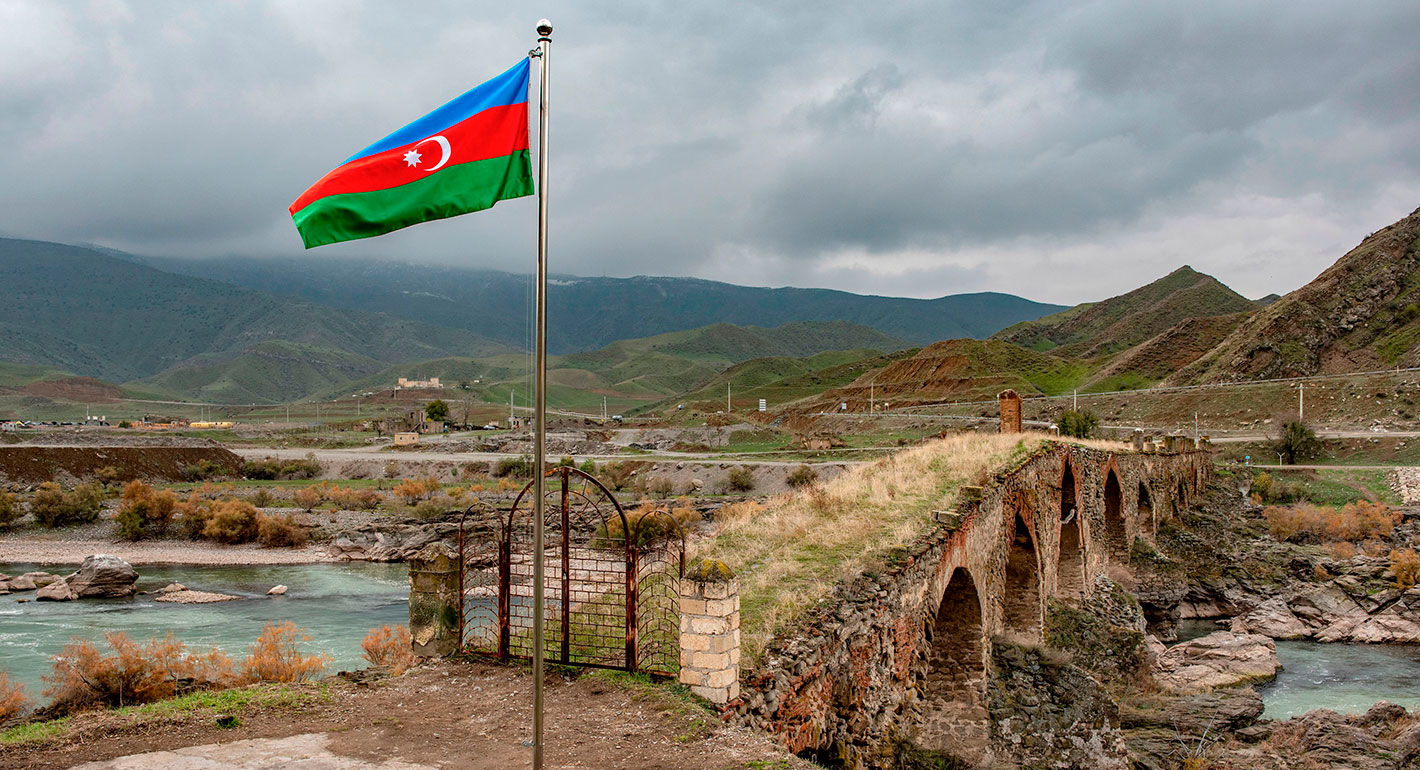
In an interview, Sergei Melkonian discusses Armenia’s and Azerbaijan’s careful balancing act among the United States, Israel, and Iran.

Armenak Tokmajyan

Just look at Iraq in 1991.

Marwan Muasher
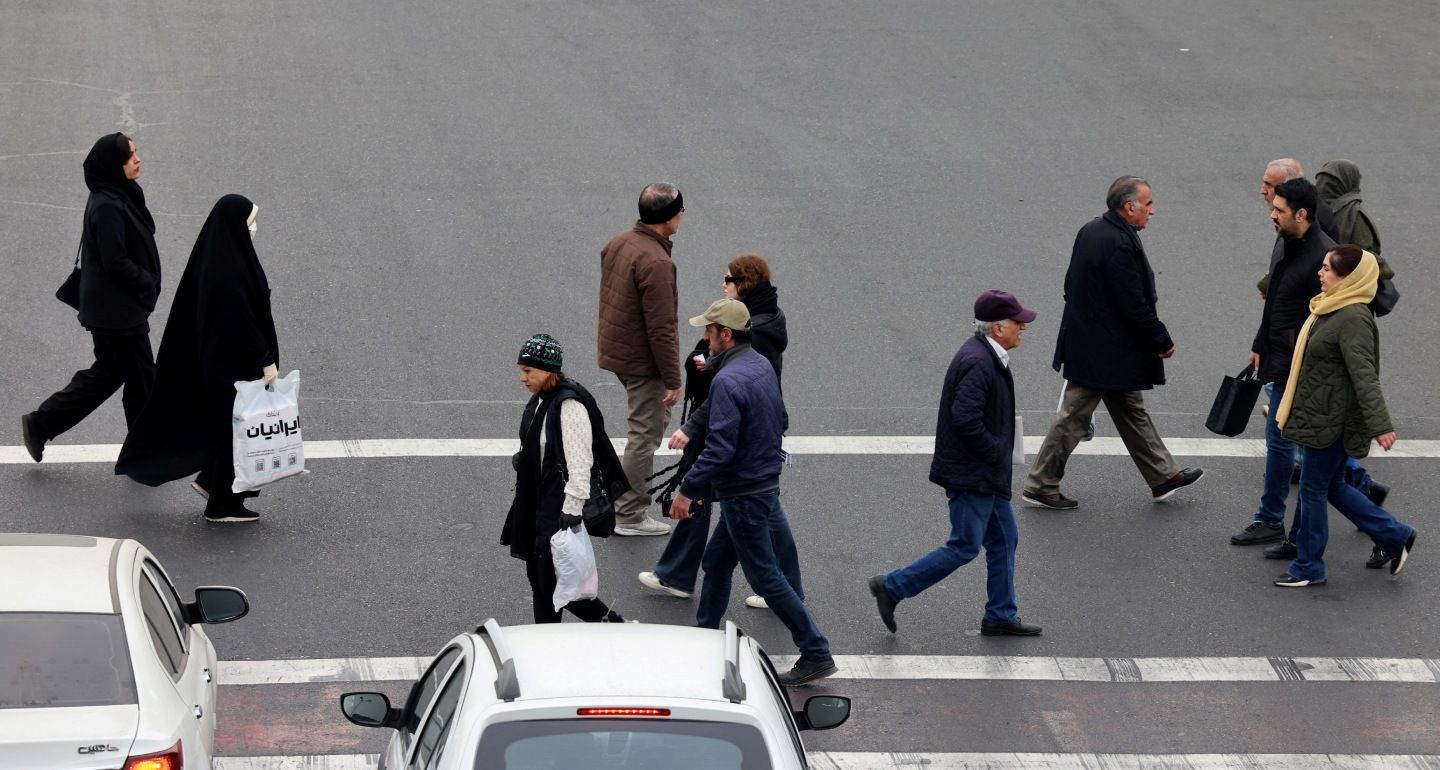
Baku may allow radical nationalists to publicly discuss “reunification” with Azeri Iranians, but the president and key officials prefer not to comment publicly on the protests in Iran.

Bashir Kitachaev
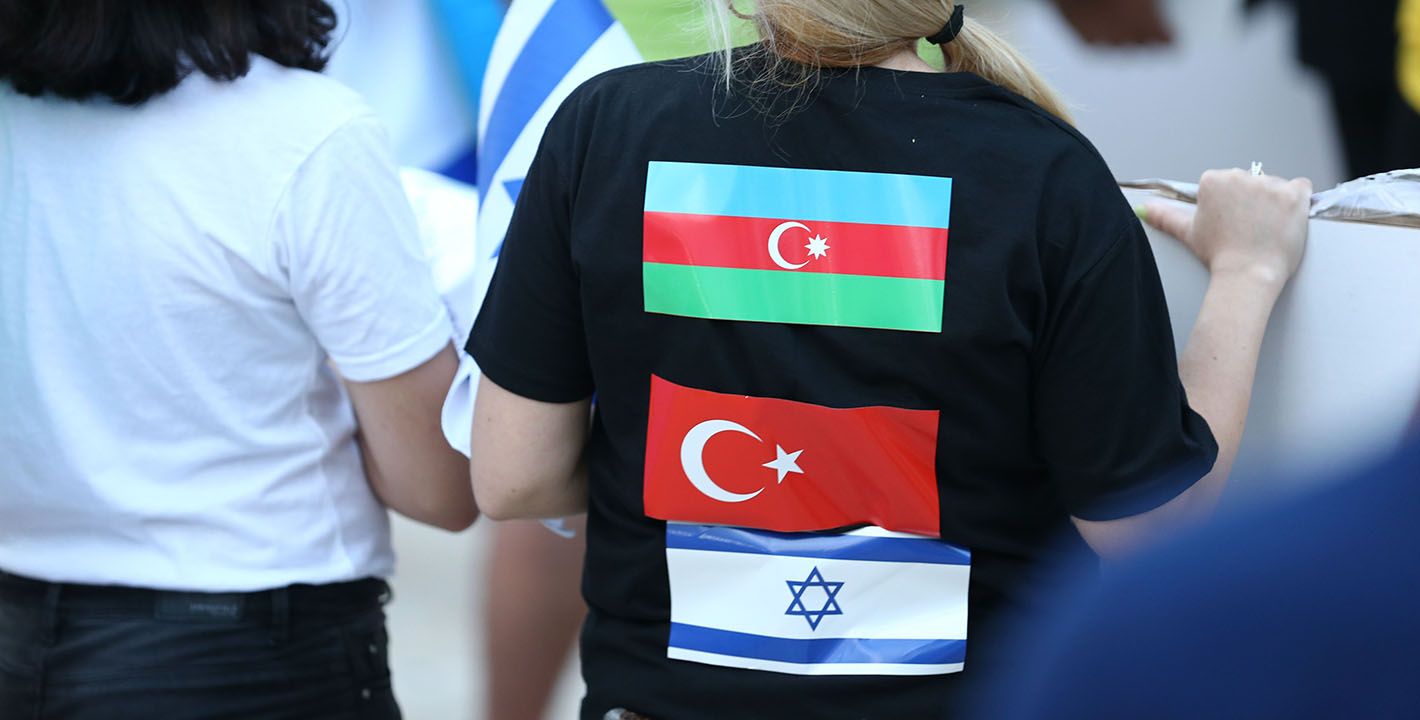
The country’s leadership is increasingly uneasy about multiple challenges from the Levant to the South Caucasus.
Armenak Tokmajyan
The community’s contributions to Armenia should encourage greater assistance from Yerevan.
Araz Bedross, Karni Keushgerian