

Commentary
Thomas de Waal
{
  "authors": [
    "Thomas de Waal"
  ],
  "type": "other",
  "centerAffiliationAll": "dc",
  "centers": [
    "Carnegie Endowment for International Peace",
    "Carnegie Europe",
    "Carnegie Russia Eurasia Center"
  ],
  "collections": [],
  "englishNewsletterAll": "ctw",
  "nonEnglishNewsletterAll": "",
  "primaryCenter": "Carnegie Europe",
  "programAffiliation": "russia",
  "programs": [
    "Russia and Eurasia"
  ],
  "projects": [
    "Eurasia in Transition"
  ],
  "regions": [
    "Central Asia",
    "Caucasus"
  ],
  "topics": [
    "Security"
  ]
}
Source: Getty
The failure of the international community to recognize the Caucasus and Central Asia as a region with complex internal dynamics complicates efforts to respond to global challenges ranging from energy security and arms proliferation to humanitarian crises.
Source: Eurasia Foundation
While the international community believes that long-standing conflicts in the Caucasus and Central Asia are under control, these disputes are far more fragile than they look, warned Thomas de Waal at a panel discussion hosted by Eurasia Foundation. De Waal joined Fiona Hill of Brookings Institution and the Washington Post’s David Ignatius in an examination of the strategic importance of the Caucasus and Central Asia in the major international challenges currently faced by the United States. “These conflicts aren’t frozen. I prefer the term simmering conflicts, or smoldering conflicts,” de Waal said. “There’s a lot going on under the surface here.”
De Waal and Hill agreed that the international community can play a real role in helping resolve these conflicts. “Let the negotiators and the diplomats talk to civil society, talk to the small constituency of peace and try to cultivate it…bypassing the authorities, if the authorities are not willing,” de Waal said.

Senior Fellow, Carnegie Europe
De Waal is a senior fellow at Carnegie Europe, specializing in Eastern Europe and the Caucasus.
Recent Work
Thomas de Waal
Thomas de Waal, ed.
Carnegie does not take institutional positions on public policy issues; the views represented herein are those of the author(s) and do not necessarily reflect the views of Carnegie, its staff, or its trustees.

Just look at Iraq in 1991.

Marwan Muasher

Baku may allow radical nationalists to publicly discuss “reunification” with Azeri Iranians, but the president and key officials prefer not to comment publicly on the protests in Iran.

Bashir Kitachaev
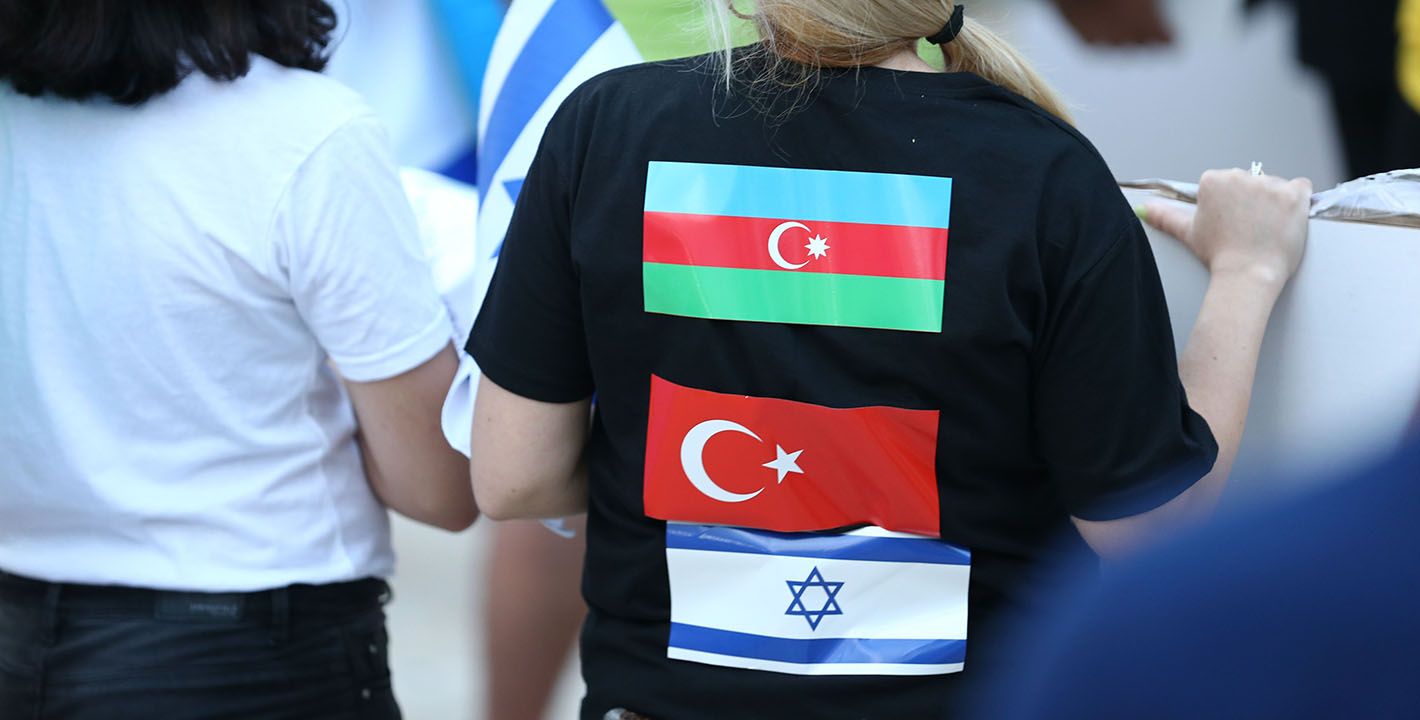
The country’s leadership is increasingly uneasy about multiple challenges from the Levant to the South Caucasus.

Armenak Tokmajyan
In addressing Hezbollah’s disarmament, the Lebanese state must start by increasing its own leverage.

Michael Young
The country’s political and military establishment is still debating how to interpret the recent war’s outcome.
Nicole Grajewski