

Paper
Ashley J. Tellis
{
  "authors": [
    "Ashley J. Tellis"
  ],
  "type": "legacyinthemedia",
  "centerAffiliationAll": "dc",
  "centers": [
    "Carnegie Endowment for International Peace"
  ],
  "collections": [],
  "englishNewsletterAll": "ctw",
  "nonEnglishNewsletterAll": "",
  "primaryCenter": "Carnegie Endowment for International Peace",
  "programAffiliation": "SAP",
  "programs": [
    "South Asia"
  ],
  "projects": [],
  "regions": [
    "South Asia",
    "India"
  ],
  "topics": [
    "Security",
    "Military",
    "Foreign Policy"
  ]
}
REQUIRED IMAGE
India's rejection of America's F-16IN and F/A-18E/F in its MMRCA competition was not a strategic snub, but rather the product of technical considerations alone.
Source: Force

Many analysts have explained India’s decision as an expression of concern over America’s reliability as an arms supplier, or representing dissatisfaction with potential transfers of key technologies, or even an attempt to distance itself from the United States. In a new article in Force, Carnegie’s Ashley J. Tellis concludes that these explanations are incorrect, and describes how India’s “down-select” decision was made entirely on technical grounds. The two-step procurement procedure adopted by the Indian Ministry of Defense precluded political, strategic, or financial considerations from intervening in any way. Though this process might not serve India’s larger national security interests in an age of limited resources and numerous threats, India’s decision does not represent a strategic setback for U.S.-Indian defense cooperation over the long term.
Former Senior Fellow
Ashley J. Tellis was a senior fellow at the Carnegie Endowment for International Peace.
Recent Work
Ashley J. Tellis
Ashley J. Tellis
Carnegie does not take institutional positions on public policy issues; the views represented herein are those of the author(s) and do not necessarily reflect the views of Carnegie, its staff, or its trustees.

Just look at Iraq in 1991.

Marwan Muasher

A coalition of states is seeking to avert a U.S. attack, and Israel is in the forefront of their mind.

Michael Young

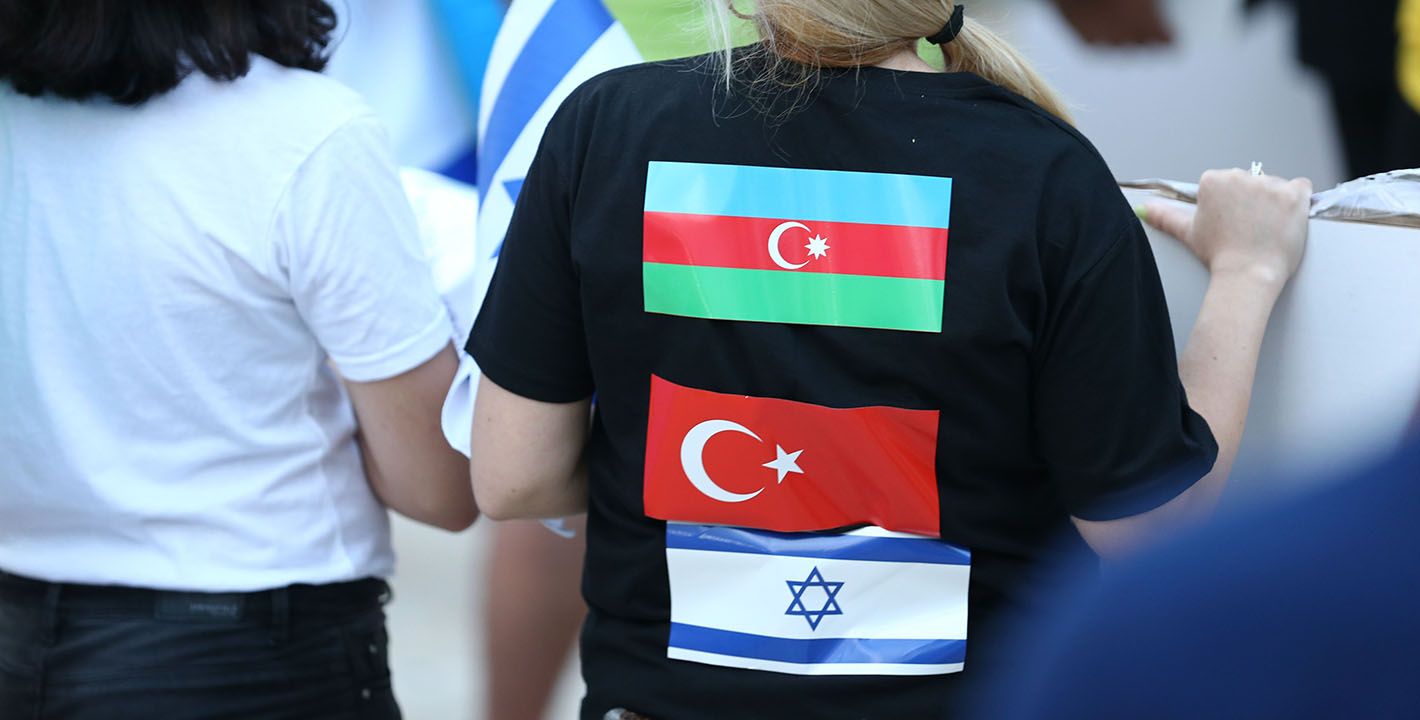
Baku may allow radical nationalists to publicly discuss “reunification” with Azeri Iranians, but the president and key officials prefer not to comment publicly on the protests in Iran.

Bashir Kitachaev
The country’s leadership is increasingly uneasy about multiple challenges from the Levant to the South Caucasus.

Armenak Tokmajyan
The countries of the region have engaged in sustained competition that has tested their capacities and limitations, while resisting domination by rivals. Can a more stable order emerge from this maelstrom, and what would it require?

Hamza Meddeb, Mohamed Ali Adraoui