• Research
  • Diwan
  • About
  • Experts
Carnegie Middle East logoCarnegie lettermark logo
LebanonIran
{
  "authors": [
    "Lora Saalman"
  ],
  "type": "legacyinthemedia",
  "centerAffiliationAll": "",
  "centers": [
    "Carnegie Endowment for International Peace",
    "Carnegie China"
  ],
  "collections": [
    "China’s Foreign Relations"
  ],
  "englishNewsletterAll": "",
  "nonEnglishNewsletterAll": "",
  "primaryCenter": "Carnegie China",
  "programAffiliation": "",
  "programs": [],
  "projects": [],
  "regions": [
    "South Asia",
    "India",
    "East Asia",
    "China"
  ],
  "topics": [
    "Security",
    "Arms Control"
  ]
}
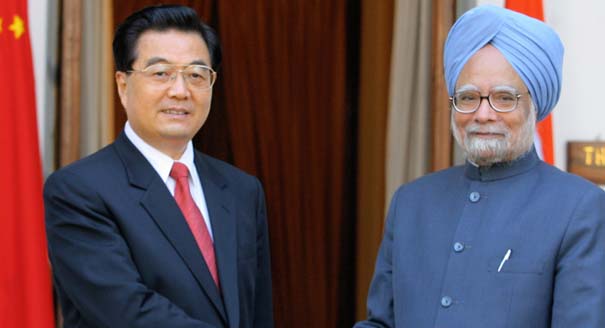
Source: Getty

In The Media
Carnegie China

Divergence, Similarity and Symmetry in Sino-Indian Threat Perceptions

A close comparison of the security perceptions of Chinese and Indian strategic, scientific, and academic experts reveals that the Sino-Indian security dilemma cannot be simply viewed through the prism of the border anymore.

Link Copied
By Lora Saalman
Published on Jul 7, 2011

Source: Journal of International Affairs

China and India remain locked in a stagnant embrace when it comes to the most intractable of security dilemmas: the Sino-Indian border issue. A closer look at Chinese and Indian strategic, scientific and academic experts' security perceptions vis-à-vis one another reveals that there is much more to the Sino-Indian security dynamic than meets the eye. Chinese and Indian strategic analysts hold divergent interests when evaluating each other's military modernization, the former preoccupied with India's naval development and the latter with China's army. Technical analysts in each country share a similar level of interest in the other's aviation and aerospace programs. Scholars exhibit a strong, if not symmetrical, level of focus on the other country's nuclear strategy and status. Using this tripartite discourse as a baseline, this essay provides both a quantitative and qualitative analysis of each group's perceptions to better understand Sino-Indian security relations and to propose measures within each arena to enhance mutual understanding. It shows that the Sino-Indian security dilemma cannot be simply viewed through the prism of the border anymore. 

About the Author

Lora Saalman

Former Nonresident Associate, Nuclear Policy Program

Saalman was a nonresident associate in the Nuclear Policy Program at the Carnegie Endowment for International Peace. Her research focuses on China’s nuclear and strategic policies toward India, Russia, and arms control.

    Recent Work

  • Paper
    Balancing Chinese Interests on North Korea and Iran

      Lora Saalman

  • In The Media
    Why Beijing Stands by Pyongyang

      Lora Saalman

Lora Saalman
Former Nonresident Associate, Nuclear Policy Program
Lora Saalman
SecurityArms ControlSouth AsiaIndiaEast AsiaChina

Carnegie does not take institutional positions on public policy issues; the views represented herein are those of the author(s) and do not necessarily reflect the views of Carnegie, its staff, or its trustees.
More Work from Malcolm H. Kerr Carnegie Middle East Center

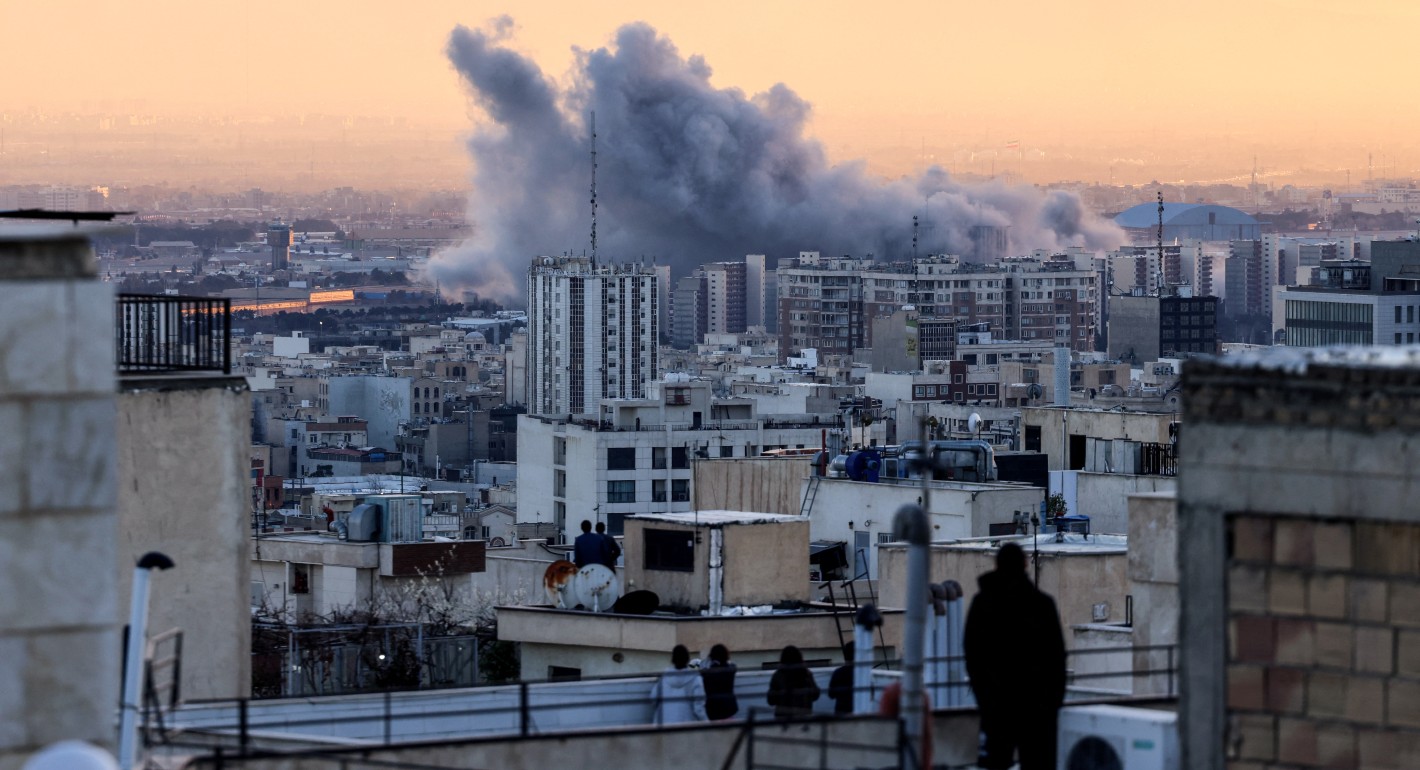
  • people watching smoke rising at sunrise from rooftops
    Commentary
    Emissary
    Bombing Campaigns Do Not Bring About Democracy. Nor Does Regime Change Without a Plan.

    Just look at Iraq in 1991.

      Marwan Muasher
  • Commentary
    Carnegie Politika
    Baku Proceeds With Caution as Ethnic Azeris Join Protests in Neighboring Iran

    Baku may allow radical nationalists to publicly discuss “reunification” with Azeri Iranians, but the president and key officials prefer not to comment publicly on the protests in Iran.

      Bashir Kitachaev

  • Commentary
    Diwan
    Beirut Can Do More on Tom Barrack’s Proposal

    In addressing Hezbollah’s disarmament, the Lebanese state must start by increasing its own leverage.
      Michael Young
  • Commentary
    Diwan
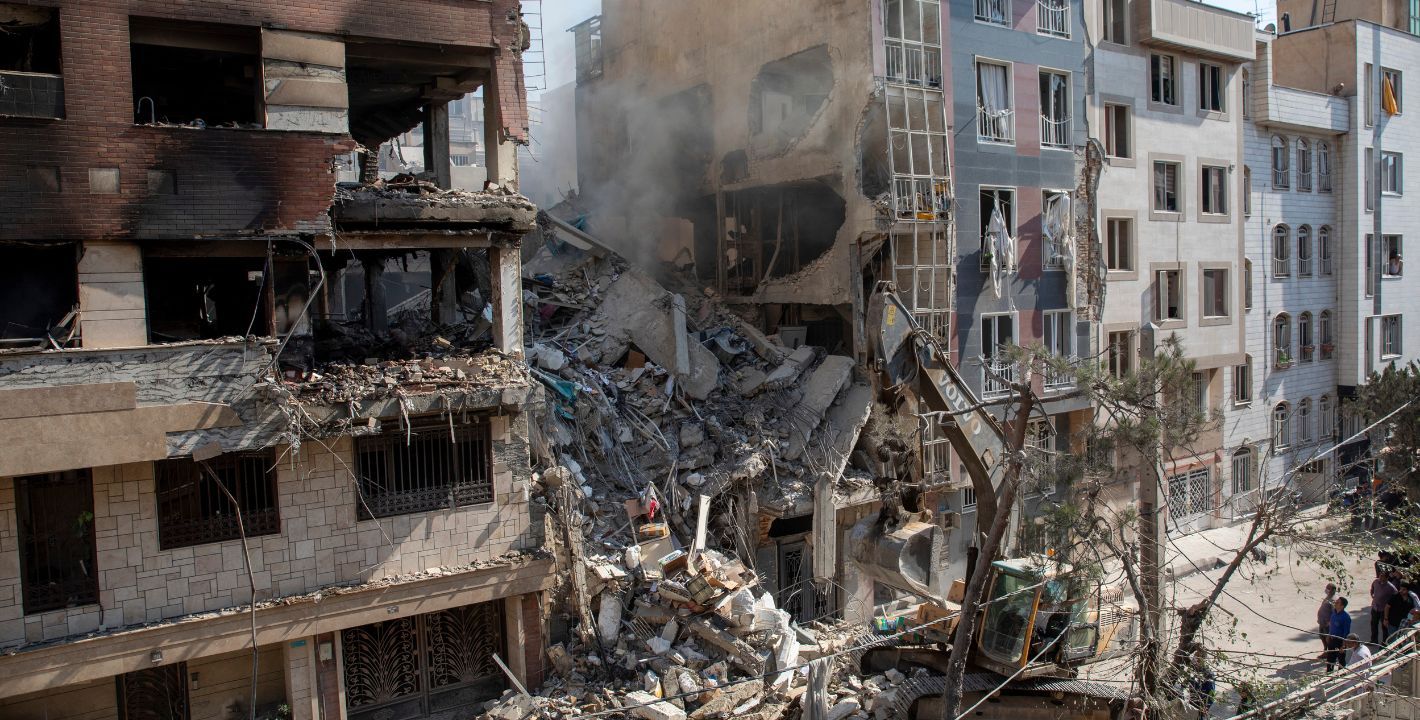
    Iran After the Battle

    The country’s political and military establishment is still debating how to interpret the recent war’s outcome.

      • Nicole Grajewski Profile Picture

      Nicole Grajewski

  • Commentary
    Diwan
    The United States Has Attacked Iran’s Nuclear Facilities

    Spot analysis from Carnegie scholars on events relating to the Middle East and North Africa.
      Mohanad Hage Ali

Get more news and analysis from
Malcolm H. Kerr Carnegie Middle East Center
Carnegie Middle East logo, white
  • Research
  • Diwan
  • About
  • Experts
  • Projects
  • Events
  • Contact
  • Careers
  • Privacy
  • For Media
Get more news and analysis from
Malcolm H. Kerr Carnegie Middle East Center
© 2026 Carnegie Endowment for International Peace. All rights reserved.