

Paper
Matthew Rojansky
{
  "authors": [
    "Matthew Rojansky"
  ],
  "type": "legacyinthemedia",
  "centerAffiliationAll": "dc",
  "centers": [
    "Carnegie Endowment for International Peace",
    "Carnegie Russia Eurasia Center"
  ],
  "collections": [],
  "englishNewsletterAll": "ctw",
  "nonEnglishNewsletterAll": "",
  "primaryCenter": "Carnegie Endowment for International Peace",
  "programAffiliation": "russia",
  "programs": [
    "Russia and Eurasia"
  ],
  "projects": [],
  "regions": [
    "Caucasus",
    "Russia"
  ],
  "topics": [
    "Political Reform",
    "Economy",
    "Foreign Policy"
  ]
}
Source: Getty
If Putin is re-elected president, he is likely to seek to maintain continuity and stability in a time of economic uncertainty and his return will not significantly alter Russian domestic politics or the U.S.-Russia reset.
Source: BBC World News

Rojansky warned that Putin will likely face new challenges in the economic sphere as oil production and oil prices begin to fall. “There are some real economic storm clouds gathering,” Rojansky warned. He added that Putin’s return will not undo the reset in U.S.-Russia relations. “Putin has basically approved of the reset from the outset. I don’t think he’s going to roll back any of the major accomplishments of the reset,” Rojansky concluded.
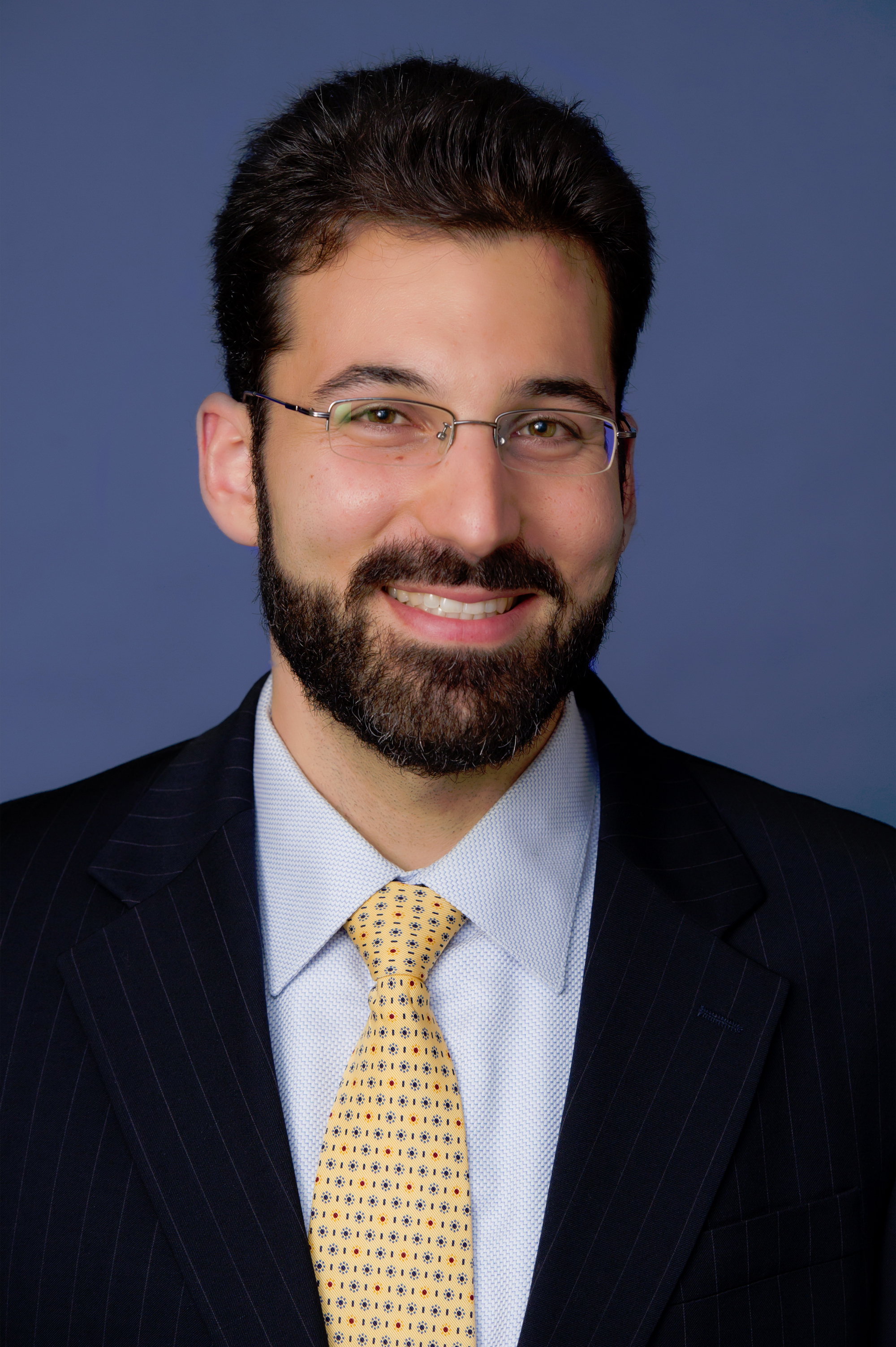
Former Deputy Director, Russia and Eurasia Program
Rojansky, formerly executive director of the Partnership for a Secure America, is an expert on U.S. and Russian national security and nuclear-weapon policies.
Recent Work
Matthew Rojansky
Matthew Rojansky
Carnegie does not take institutional positions on public policy issues; the views represented herein are those of the author(s) and do not necessarily reflect the views of Carnegie, its staff, or its trustees.

By failing to address Palestinian representation, the current process is bound to lead to just another temporary arrangement.

Nathan J. Brown

The armed forces champion a form of capitalism that is generating revenue, but its reliance on rent faces diminishing returns, leaving the country with massive sunk costs and deferred returns, deepening dependency on external borrowing.

Yezid Sayigh
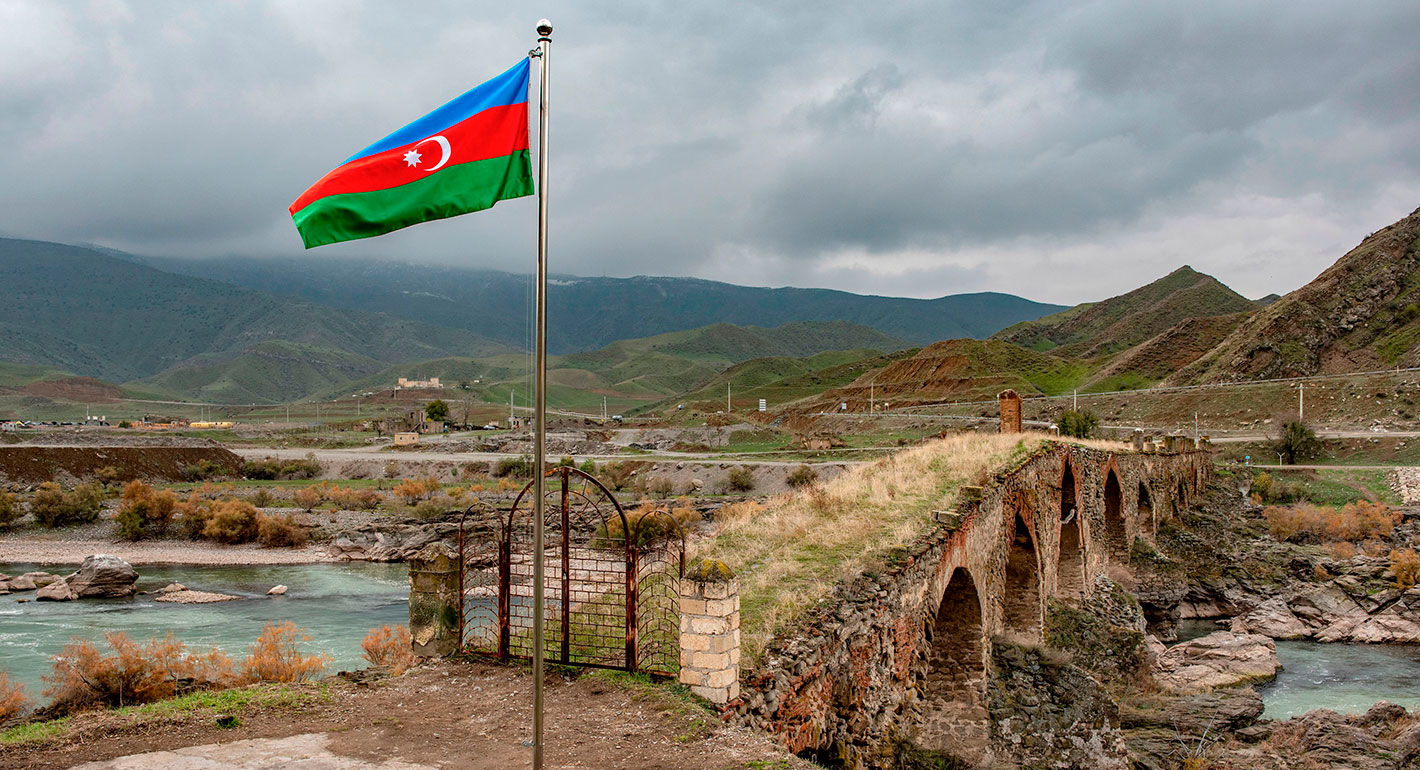
In an interview, Sergei Melkonian discusses Armenia’s and Azerbaijan’s careful balancing act among the United States, Israel, and Iran.

Armenak Tokmajyan

Just look at Iraq in 1991.

Marwan Muasher

A coalition of states is seeking to avert a U.S. attack, and Israel is in the forefront of their mind.

Michael Young