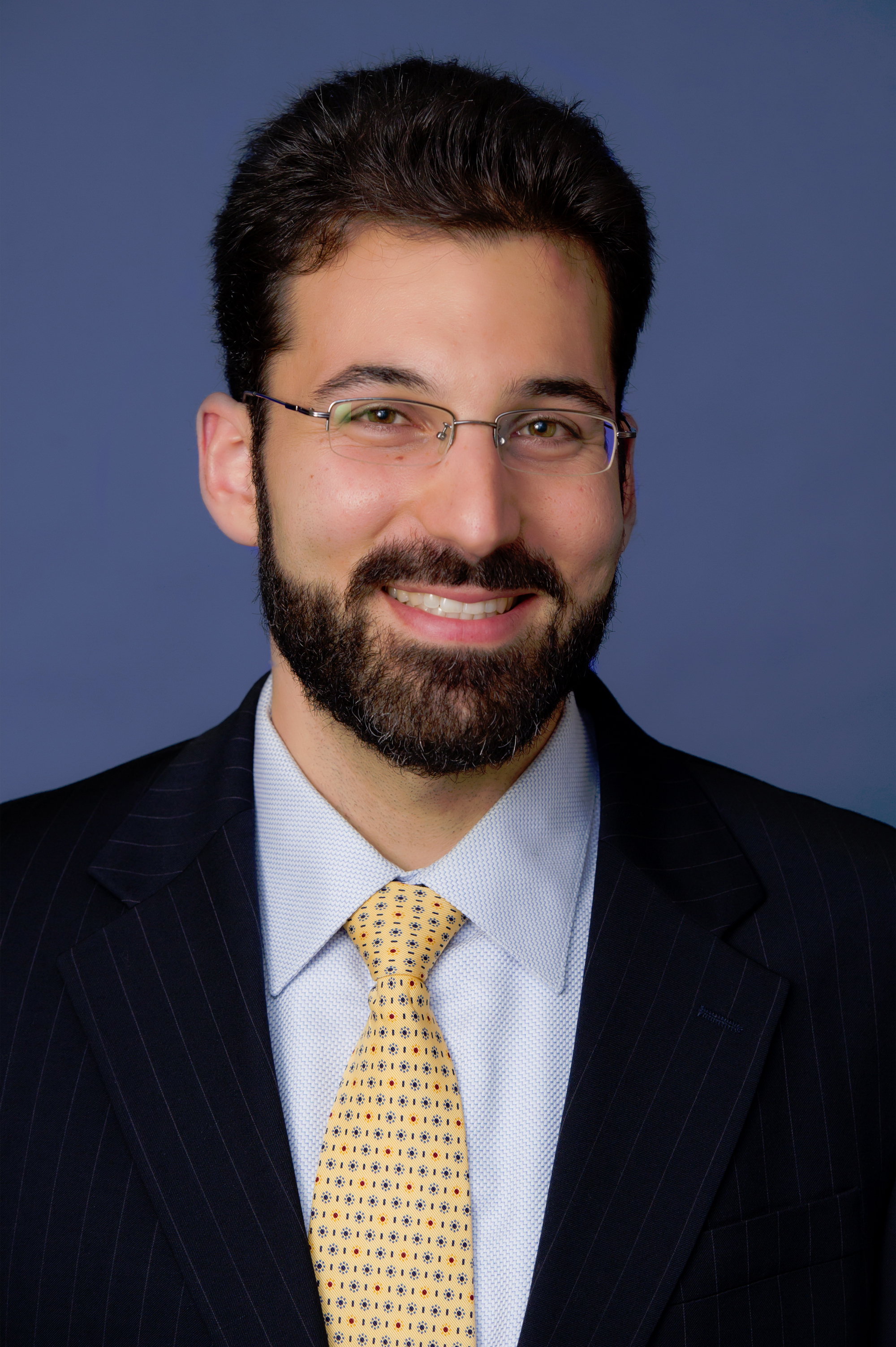
Matthew Rojansky
{
"authors": [
"Matthew Rojansky"
],
"type": "legacyinthemedia",
"centerAffiliationAll": "dc",
"centers": [
"Carnegie Endowment for International Peace"
],
"collections": [],
"englishNewsletterAll": "ctw",
"nonEnglishNewsletterAll": "",
"primaryCenter": "Carnegie Endowment for International Peace",
"programAffiliation": "russia",
"programs": [
"Russia and Eurasia"
],
"projects": [],
"regions": [
"Caucasus",
"Russia"
],
"topics": [
"Political Reform",
"Foreign Policy"
]
}Source: Getty
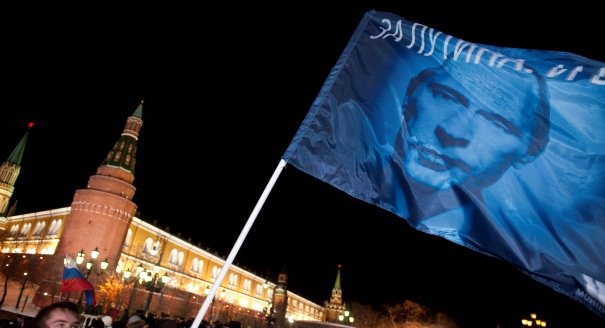
Is Putin's Victory Guaranteed?
It is not certain that Putin will win the elections on Sunday, but it is very likely. If Putin is elected, he will face implications in Russia's domestic policy and its relationship with the United States.
Source: CTV (Canada)

- Medvedev: Putin has made promises that Medvedev will be Prime Minister after the elections. However, “whether Medvedev will stay as Prime Minister I think is unlikely,” said Rojansky, adding that “in some ways, he is the perfect fall guy down the road.”
- Domestic Reforms: Given the extensive protests against Putin’s rule, and the likelihood of renewed protests after the election, “Putin is going to do what he has to do,” said Rojansky. There will be a veneer of modernization and Putin will have to make concessions to some demands, such as improving modern technology and creating more opportunities for IT and high-tech jobs. However, “Putin cannot adjust the basic bargain he has made with the oligarchs and Russia’s elite,” warned Rojansky. "If he starts to shake up that deal, those guys will turn against him.”
- Syria: Once it is clear that the Assad regime is falling, Putin cannot sustain Russia’s major financial and security interests in Syria and has no further reason for Russia to continue to support the Assad regime. “If Putin will, in fact, win on Sunday, it becomes much less important for him to draw that line in the sand that says public protests should never be allowed to bring down what he considers to be a legitimate government,” added Rojansky.
- U.S.–Russia Relations: There is a good reason to believe that Putin will sustain the reset relationship with the United States, Rojansky stated.
About the Author
Former Deputy Director, Russia and Eurasia Program
Rojansky, formerly executive director of the Partnership for a Secure America, is an expert on U.S. and Russian national security and nuclear-weapon policies.
- An Opportunity for Ambition: Ukraine’s OSCE ChairmanshipPaper
- Presiding Over the OSCE: Challenges and OpportunitiesIn The Media
Matthew Rojansky
Recent Work
Carnegie does not take institutional positions on public policy issues; the views represented herein are those of the author(s) and do not necessarily reflect the views of Carnegie, its staff, or its trustees.

More Work from Malcolm H. Kerr Carnegie Middle East Center
- The Gulf Conflict and the South CaucasusCommentary
In an interview, Sergei Melkonian discusses Armenia’s and Azerbaijan’s careful balancing act among the United States, Israel, and Iran.

Armenak Tokmajyan

- Bombing Campaigns Do Not Bring About Democracy. Nor Does Regime Change Without a Plan.Commentary
Just look at Iraq in 1991.
Marwan Muasher
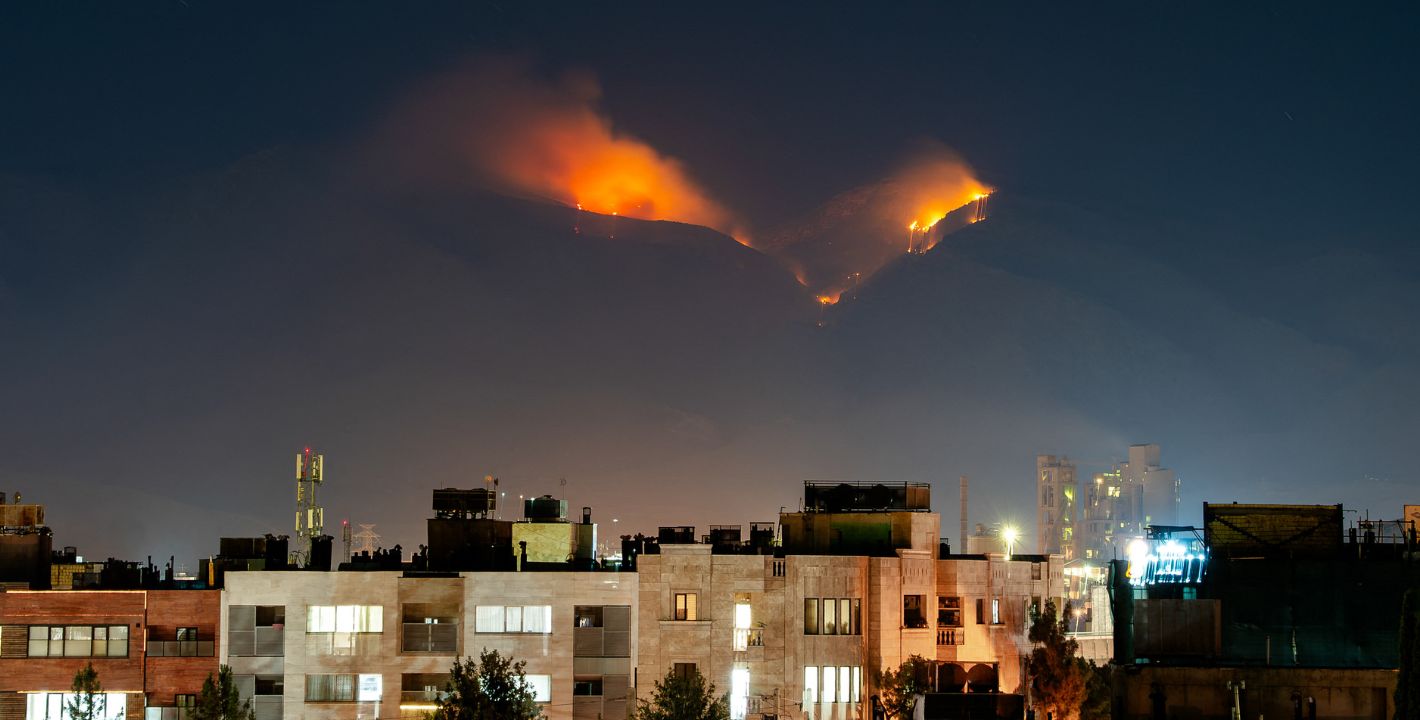
- Iran and the New Geopolitical MomentCommentary
A coalition of states is seeking to avert a U.S. attack, and Israel is in the forefront of their mind.
Michael Young
- Baku Proceeds With Caution as Ethnic Azeris Join Protests in Neighboring IranCommentary
Baku may allow radical nationalists to publicly discuss “reunification” with Azeri Iranians, but the president and key officials prefer not to comment publicly on the protests in Iran.
Bashir Kitachaev
- Iran’s Woes Aren’t Only DomesticCommentary
The country’s leadership is increasingly uneasy about multiple challenges from the Levant to the South Caucasus.
Armenak Tokmajyan