

Commentary
Marwan Muasher
{
  "authors": [
    "Marwan Muasher"
  ],
  "type": "legacyinthemedia",
  "centerAffiliationAll": "dc",
  "centers": [
    "Carnegie Endowment for International Peace",
    "Malcolm H. Kerr Carnegie Middle East Center"
  ],
  "collections": [
    "Arab Awakening"
  ],
  "englishNewsletterAll": "menaTransitions",
  "nonEnglishNewsletterAll": "",
  "primaryCenter": "Carnegie Endowment for International Peace",
  "programAffiliation": "MEP",
  "programs": [
    "Middle East"
  ],
  "projects": [],
  "regions": [
    "Middle East",
    "Syria",
    "Levant"
  ],
  "topics": [
    "Political Reform",
    "Security",
    "Foreign Policy"
  ]
}
Source: Getty
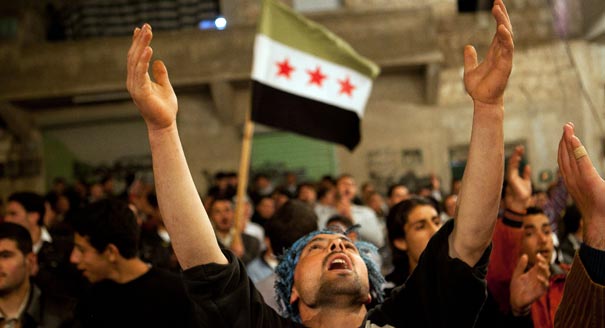
All signs point to the crisis in Syria continuing, despite the increasing violence, as the international community is unable to formulate a unified approach.
Source: BBC News

The Houla massacre has resulted in the first indications of Russian and American cooperation with the Security Council statement signed by the Chinese and Russian condemning the violence, Muasher added. Nonetheless there remains a vacuum of consensus. Even the Arab league is unable to present a unified opinion, as the Gulf States support arming the rebels and most of the Arab states oppose this option. Commenting on the increasing complexity of the situation, Muasher noted, “this is all going to take some time, I’m afraid.”

Vice President for Studies
Marwan Muasher is vice president for studies at Carnegie, where he oversees research in Washington and Beirut on the Middle East. Muasher served as foreign minister (2002–2004) and deputy prime minister (2004–2005) of Jordan, and his career has spanned the areas of diplomacy, development, civil society, and communications.
Recent Work
Marwan Muasher



James M. Acton, Saskia Brechenmacher, Cecily Brewer, …
Carnegie does not take institutional positions on public policy issues; the views represented herein are those of the author(s) and do not necessarily reflect the views of Carnegie, its staff, or its trustees.
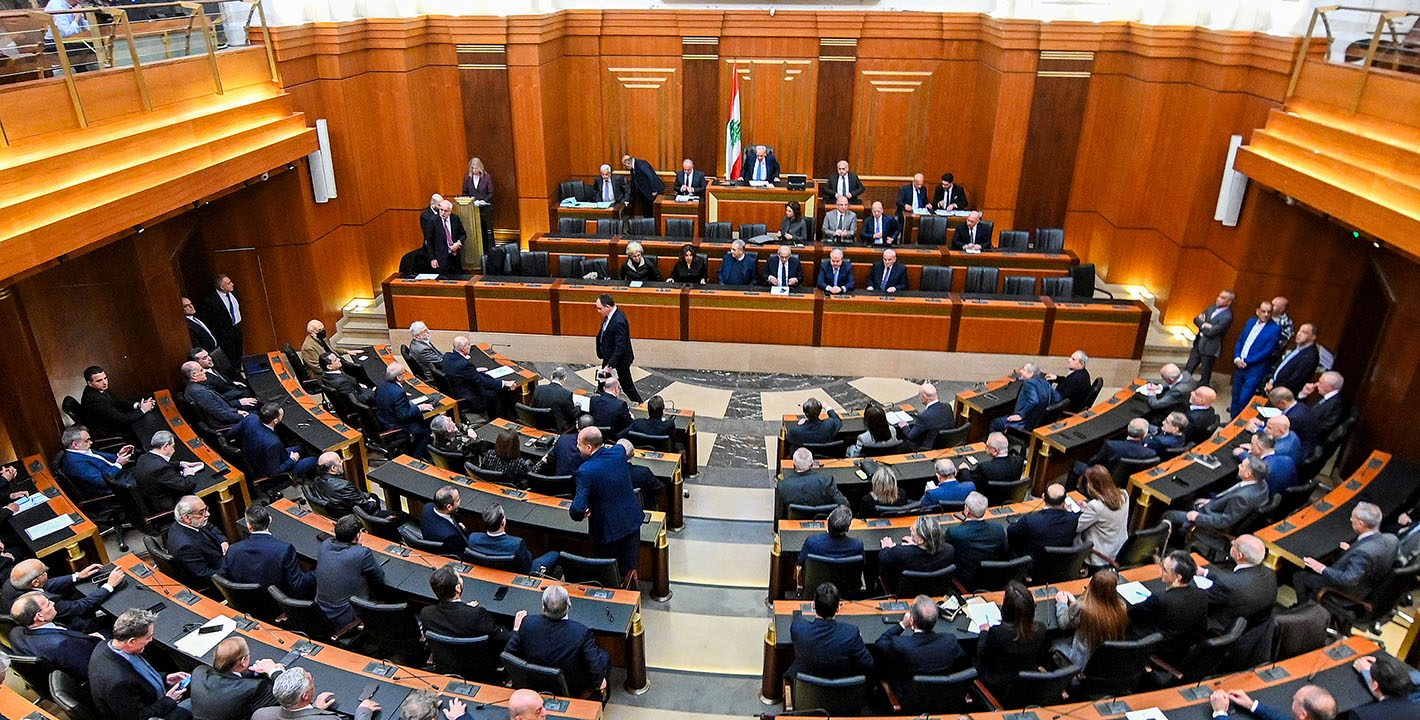
The decision of Lebanon’s parliament may look exceptional, but in reality it is not.
Issam Kayssi

In an interview, Naysan Rafati assesses the first week that followed the U.S. and Israeli attack on Iran.

Michael Young
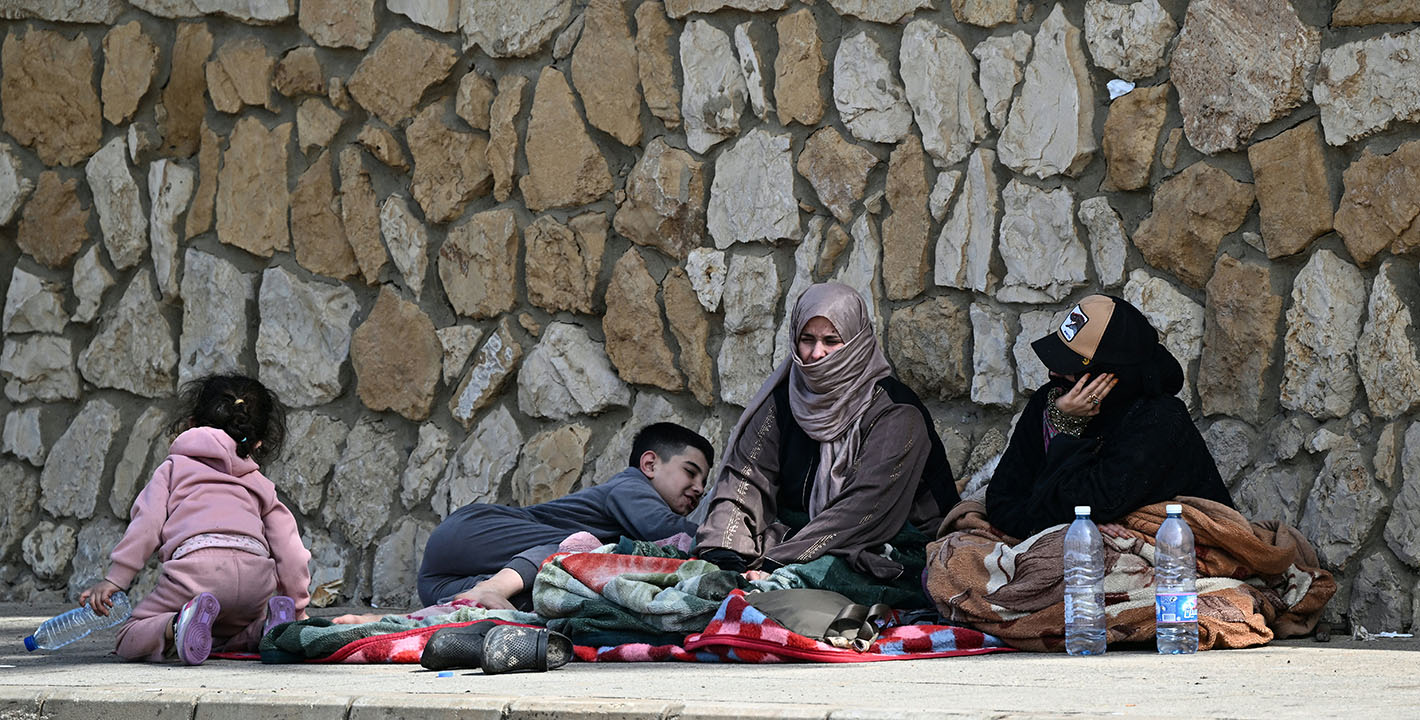
At heart, to impose unconditional surrender on Hezbollah and uproot the party among its coreligionists.

Yezid Sayigh

Just look at Iraq in 1991.
Marwan Muasher
As Iran defends its interests in the region and its regime’s survival, it may push Hezbollah into the abyss.
Michael Young