

Commentary
Nathalie Tocci, Jan Techau
{
  "authors": [
    "Jan Techau"
  ],
  "type": "legacyinthemedia",
  "centerAffiliationAll": "",
  "centers": [
    "Carnegie Endowment for International Peace",
    "Carnegie Europe"
  ],
  "collections": [
    "Brexit and UK Politics"
  ],
  "englishNewsletterAll": "",
  "nonEnglishNewsletterAll": "",
  "primaryCenter": "Carnegie Europe",
  "programAffiliation": "",
  "programs": [],
  "projects": [],
  "regions": [
    "Europe",
    "Western Europe",
    "United Kingdom",
    "France",
    "Germany"
  ],
  "topics": [
    "Foreign Policy",
    "EU",
    "Economy"
  ]
}
Source: Getty
Although there is still great concern for the eurozone, the discourse has moved from predicting an immediate downfall a year ago to discussing the necessity of economic reform in the continent.
Source: Polskie Radio
Speaking on Polskie Radio, Carnegie Europe’s Jan Techau discussed the future of the eurozone. He explained that the worst is now over for the Europeans. Even though many problems remain, there has been a shift in the popular perception of the situation, which is in many ways more important than the situation itself. Techau said that although there is still great concern for the eurozone, the discourse has moved from predicting an immediate downfall a year ago to discussing the necessity of economic reform in the continent, more specifically in the south. He warned that the greatest concern right now is France, as stability in Europe depends on the stability of Franco-German cooperation. Techau concluded that despite its failings, the eurozone still remains an attractive model, pointing to Poland’s interest in joining the eurozone as evidence of its continuing appeal.

Director, Europe Team, Eurasia Group
Techau is director with Eurasia Group's Europe team, covering Germany and European security from Berlin. Previously, he was director of Carnegie Europe.
Recent Work

Nathalie Tocci, Jan Techau
Jan Techau
Carnegie does not take institutional positions on public policy issues; the views represented herein are those of the author(s) and do not necessarily reflect the views of Carnegie, its staff, or its trustees.

In an interview, Ian Lustick and Eli Clifton discuss their new book on why a prominent ally has so much influence in America.

Michael Young

By failing to address Palestinian representation, the current process is bound to lead to just another temporary arrangement.

Nathan J. Brown

The armed forces champion a form of capitalism that is generating revenue, but its reliance on rent faces diminishing returns, leaving the country with massive sunk costs and deferred returns, deepening dependency on external borrowing.

Yezid Sayigh
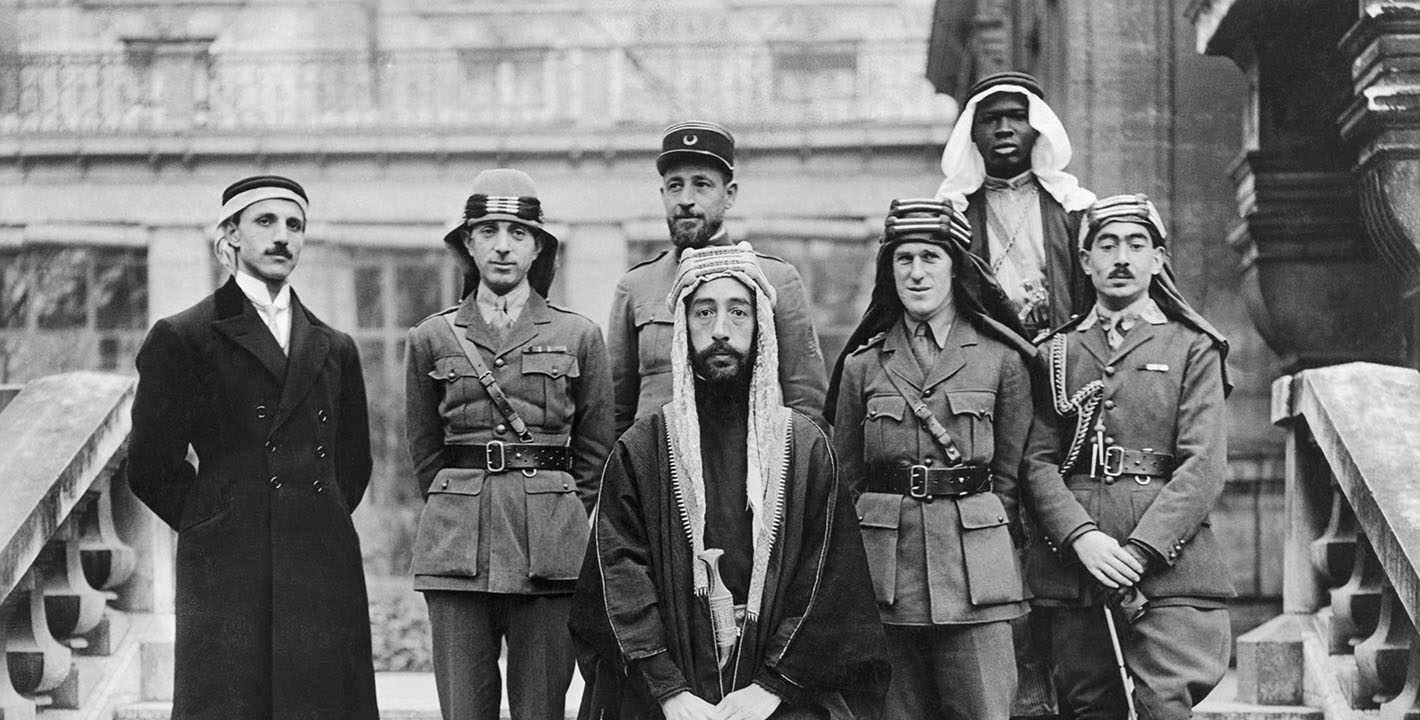
In an interview, Elizabeth Thompson recalls how the country formulated a liberal constitution in 1920, before being denied by France and Britain.
Michael Young

Just look at Iraq in 1991.

Marwan Muasher