

Paper
Douglas H. Paal
{
  "authors": [
    "Douglas H. Paal"
  ],
  "type": "legacyinthemedia",
  "centerAffiliationAll": "dc",
  "centers": [
    "Carnegie Endowment for International Peace"
  ],
  "collections": [],
  "englishNewsletterAll": "asia",
  "nonEnglishNewsletterAll": "",
  "primaryCenter": "Carnegie Endowment for International Peace",
  "programAffiliation": "AP",
  "programs": [
    "Asia"
  ],
  "projects": [],
  "regions": [
    "East Asia",
    "China",
    "Taiwan"
  ],
  "topics": [
    "Foreign Policy"
  ]
}
Source: Getty
The meeting between officials representing China and Taiwan is an important symbolic milestone and reflects broad progress in in improving cross-strait relations.
Source: Australia Network News
Carnegie’s Douglas Paal appeared on Australia Network News to speak about the recent meeting between Chinese and Taiwanese officials, the first meeting of its sort in 65 years. Paal explained that the meetings represent an important symbolic milestone in improving cross-strait relations but do not represent a break from the past. He noted that both sides have an interest in arranging a meeting between Xi Jinping and Ma Yingjeou to further cement the improvements in relations. However, he added that a meeting at the coming APEC summit is unlikely because China would see that as giving Taiwan too much international standing. Unfortunately, there seem to be few other opportunities available in the near future.
This interview was originally broadcast by Australia Network News.
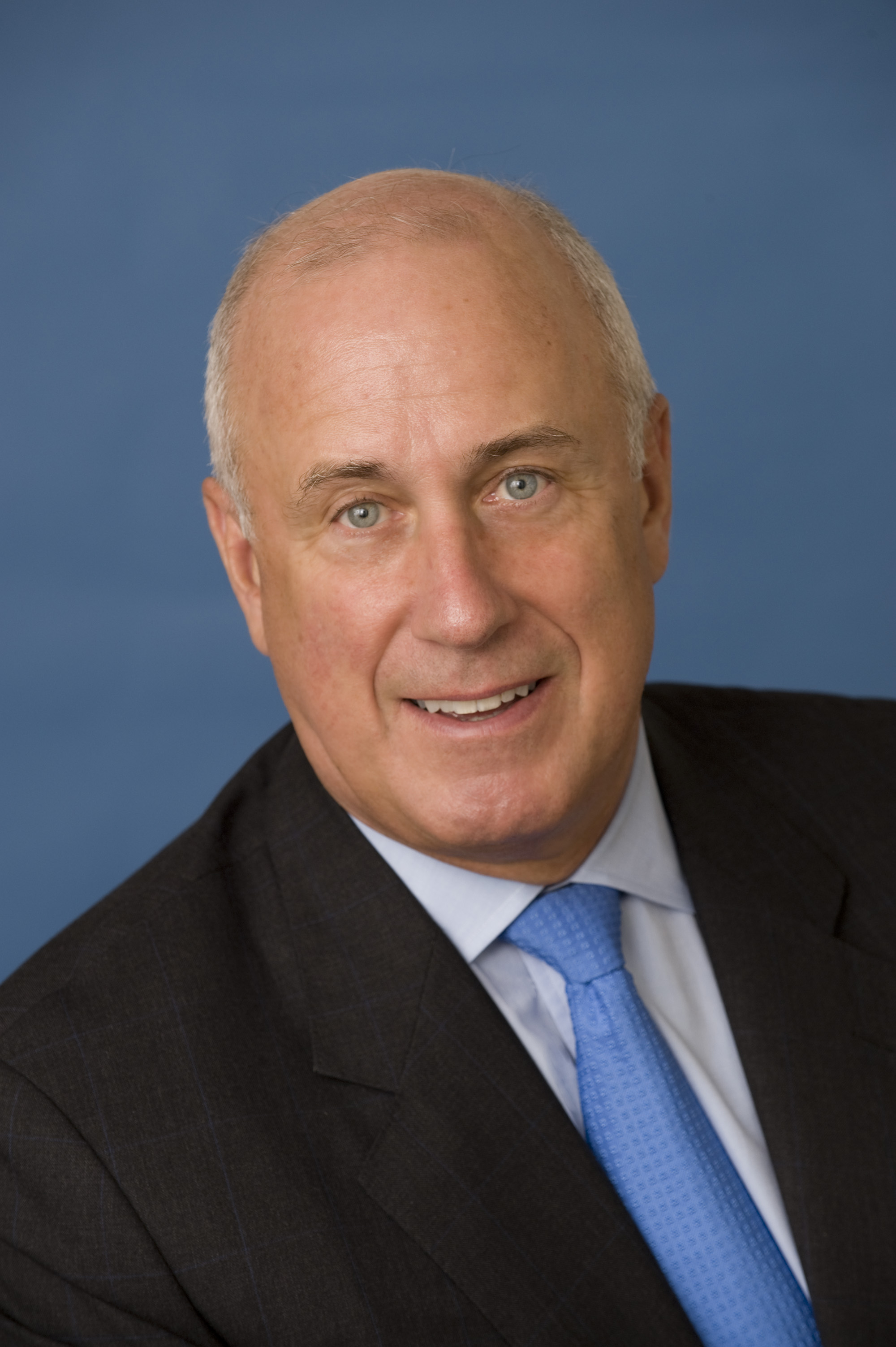
Distinguished Fellow, Asia Program
Paal previously served as vice chairman of JPMorgan Chase International and as unofficial U.S. representative to Taiwan as director of the American Institute in Taiwan.
Recent Work
Douglas H. Paal


Douglas H. Paal, Tong Zhao, Chen Qi, …
Carnegie does not take institutional positions on public policy issues; the views represented herein are those of the author(s) and do not necessarily reflect the views of Carnegie, its staff, or its trustees.

In an interview, Ian Lustick and Eli Clifton discuss their new book on why a prominent ally has so much influence in America.

Michael Young

Huawei pushed hard to enter the Egyptian data centers market, until the Americans made a better offer.

Angie Omar

By failing to address Palestinian representation, the current process is bound to lead to just another temporary arrangement.

Nathan J. Brown

Just look at Iraq in 1991.

Marwan Muasher

A coalition of states is seeking to avert a U.S. attack, and Israel is in the forefront of their mind.
Michael Young