

Research
- +11
Frances Z. Brown, Nate Reynolds, Priyal Singh, …
{
  "authors": [
    "Frederic Wehrey"
  ],
  "type": "legacyinthemedia",
  "centerAffiliationAll": "dc",
  "centers": [
    "Carnegie Endowment for International Peace",
    "Malcolm H. Kerr Carnegie Middle East Center"
  ],
  "collections": [],
  "englishNewsletterAll": "menaTransitions",
  "nonEnglishNewsletterAll": "",
  "primaryCenter": "Carnegie Endowment for International Peace",
  "programAffiliation": "MEP",
  "programs": [
    "Middle East"
  ],
  "projects": [],
  "regions": [
    "North Africa",
    "Libya",
    "Maghreb"
  ],
  "topics": [
    "Security",
    "Military"
  ]
}
Source: Getty
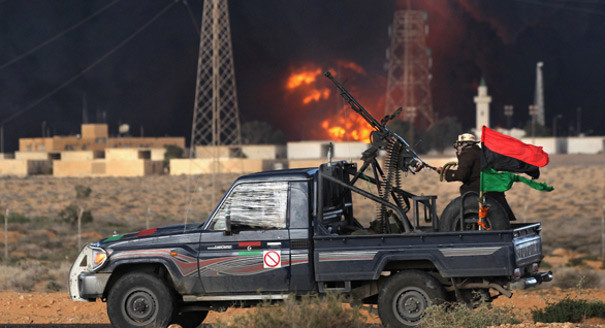
Frederic Wehrey discusses evidence of the use of cluster munitions as well as the ongoing civil war in Libya.
Source: RFI
During his recent trip to Libya, Frederic Wehrey saw evidence of cluster munitions used against a bank in Libya. The munitions were probably used by the aircraft of the Dignity camp, who obtained the munitions from the former Qaddafi regime in Libya. Preventing the use of the munitions in the future may not be easy as there is an ongoing civil war in Libya with “winner take all” mentality dominating the thinking of the fighting factions.
While both the Dawn and Dignity camps have access to heavy artillery, tanks, and grad rockets the real difference between the weapons of the two sides is that Dignity has more aircraft and has access to munitions for these aircraft from outside of Libya. While Dawn has repaired some aircraft, this side has been flying far less sorties.
But the aircraft on Dignity side, including the ones that have probably used cluster munitions, may not be all that effective. Those aircraft fly and bomb at high altitudes, making them very inaccurate. Also, historical evidence suggests that aircraft alone are not decisive in victory. As the “balance of weakness” continues in Libya, it will be hard to end the ongoing conflict in Libya. This has made the conflict particularly bloody.
Senior Fellow, Middle East Program
Frederic Wehrey is a senior fellow in the Middle East Program at the Carnegie Endowment for International Peace, where his research focuses on governance, conflict, and security in Libya, North Africa, and the Persian Gulf.
Recent Work

Frances Z. Brown, Nate Reynolds, Priyal Singh, …
Charles H. Johnson, Frederic Wehrey
Carnegie does not take institutional positions on public policy issues; the views represented herein are those of the author(s) and do not necessarily reflect the views of Carnegie, its staff, or its trustees.

Just look at Iraq in 1991.

Marwan Muasher
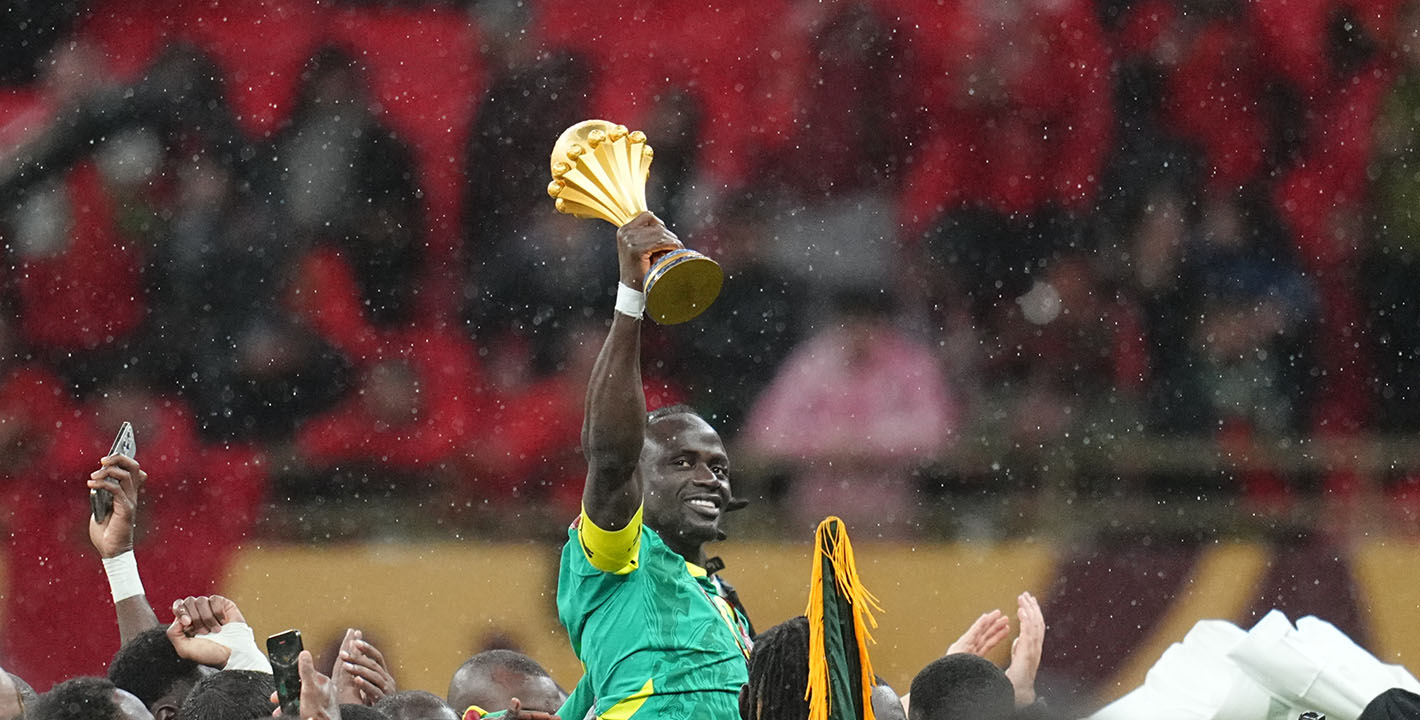
The recent African Cup of Nations tournament in Morocco touched on issues that largely transcended the sport.

Issam Kayssi, Yasmine Zarhloule

Baku may allow radical nationalists to publicly discuss “reunification” with Azeri Iranians, but the president and key officials prefer not to comment publicly on the protests in Iran.

Bashir Kitachaev
The UN Support Mission in the country should reassess its approach so that consensus between the warring parties becomes the eventual goal, rather than a procedural matter that dogs the negotiating process at every turn.
Soraya Rahem
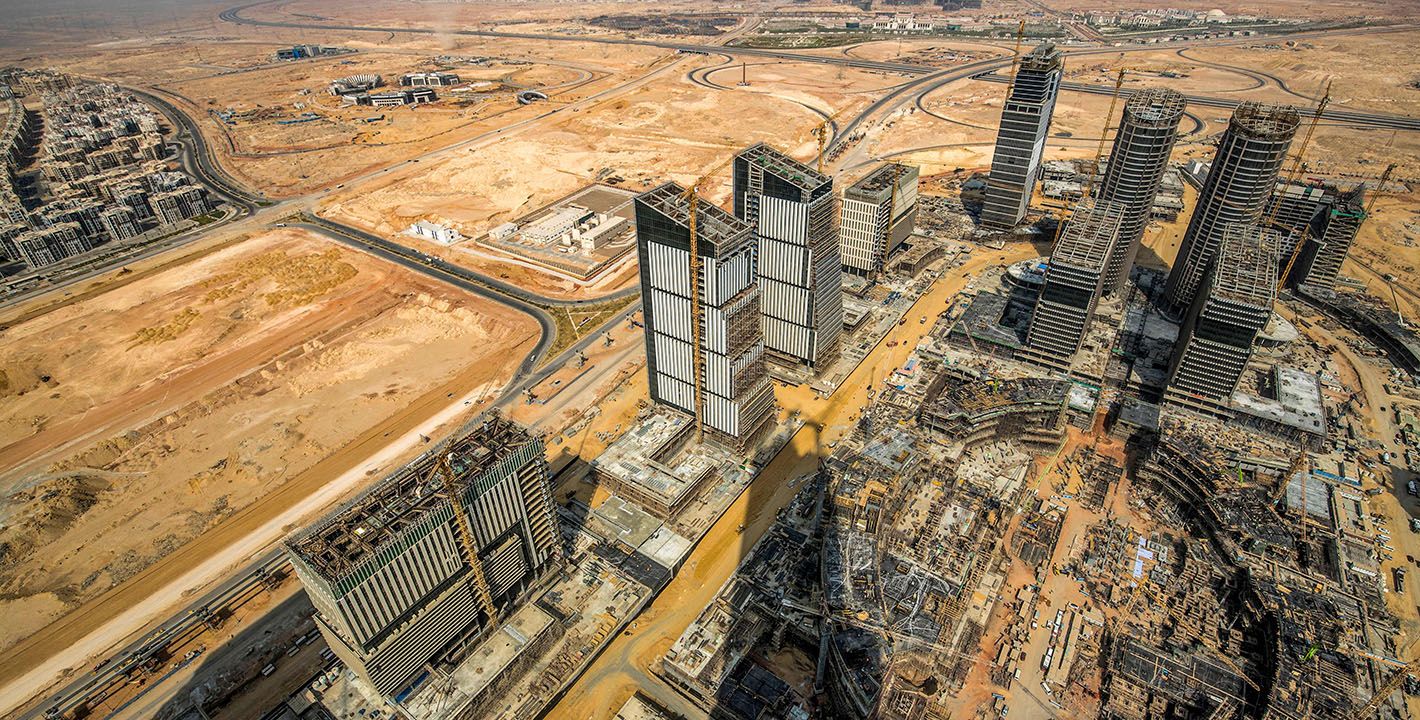
Mustaqbal Misr has expanded its portfolio with remarkable speed, but a lack of transparency remains.

Yezid Sayigh