

Research
- +6
Yasmine Farouk, Nathan J. Brown, Maysaa Shuja Al-Deen, …
{
  "authors": [
    "Anouar Boukhars"
  ],
  "type": "other",
  "centerAffiliationAll": "dc",
  "centers": [
    "Carnegie Endowment for International Peace",
    "Malcolm H. Kerr Carnegie Middle East Center"
  ],
  "collections": [],
  "englishNewsletterAll": "menaTransitions",
  "nonEnglishNewsletterAll": "",
  "primaryCenter": "Carnegie Endowment for International Peace",
  "programAffiliation": "MEP",
  "programs": [
    "Middle East"
  ],
  "projects": [],
  "regions": [
    "North Africa",
    "Algeria",
    "Morocco",
    "Tunisia",
    "Southern, Eastern, and Western Africa",
    "Maghreb"
  ],
  "topics": [
    "Security"
  ]
}
Source: Getty
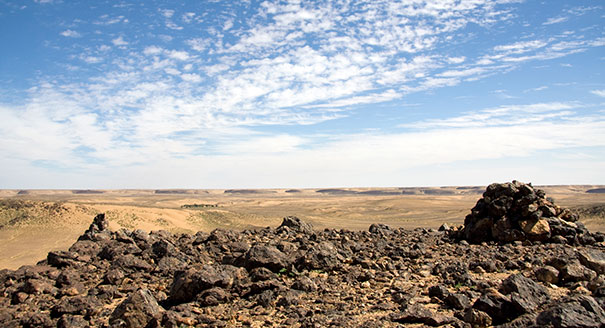
A coordinated international approach that skilfully uses the comparative advantage of each regional institution would greatly help tackle rising insecurity across the Sahara and the Sahel.
Source: FRIDE
There has been a marked intensification of conflict across the Sahara and the Sahel. This has created a new normal, where ethnic tensions are reinforced, religious divisions are more pronounced and crises are less local. The current conflicts in Mali, Libya, and Nigeria – for example – show this, having been deeply shaped by a cross-section of Saharan radicalised militants that mix with transnational smuggling networks and independence movements. To be sure, the old normal was also marred by terrorism and other forms of political violence, border disputes, and occasional acts of banditry. But the nature of conflicts in the Sahel and the Sahara has changed, and the patterns of violence have become more complex. The sources of crises have also become more mobile, acquiring a cross-border dimension that requires regional solutions. So far, bilateral, regional, and international responses have been numerous, but largely contradictory and short-sighted.The good news is that regional and international actors are increasingly aware that any effective response framework needs to be wellcoordinated, and adapted to the geographic and organisational interdependence of networks and populations across the Sahel-Sahara zones. The bad news, however, is that it has been very difficult to design and implement a coordinated security and development strategy that transcends the narrow confines of counter-terrorism, international institutional rivalries, and regional inter-state rivalries....
Former Nonresident Fellow, Middle East Program
Boukhars was a nonresident fellow in Carnegie’s Middle East Program. He is a professor of countering violent extremism and counter-terrorism at the Africa Center for Strategic Studies, National Defense University.
Recent Work



Yasmine Farouk, Nathan J. Brown, Maysaa Shuja Al-Deen, …

Frederic Wehrey, Nathan J. Brown, Bader Al-Saif, …
Carnegie does not take institutional positions on public policy issues; the views represented herein are those of the author(s) and do not necessarily reflect the views of Carnegie, its staff, or its trustees.

The armed forces champion a form of capitalism that is generating revenue, but its reliance on rent faces diminishing returns, leaving the country with massive sunk costs and deferred returns, deepening dependency on external borrowing.

Yezid Sayigh

Morocco and Algeria, each in its own way, are having to navigate the global economic fallout of the U.S.-Israeli military campaign against Iran.

Yasmine Zarhloule
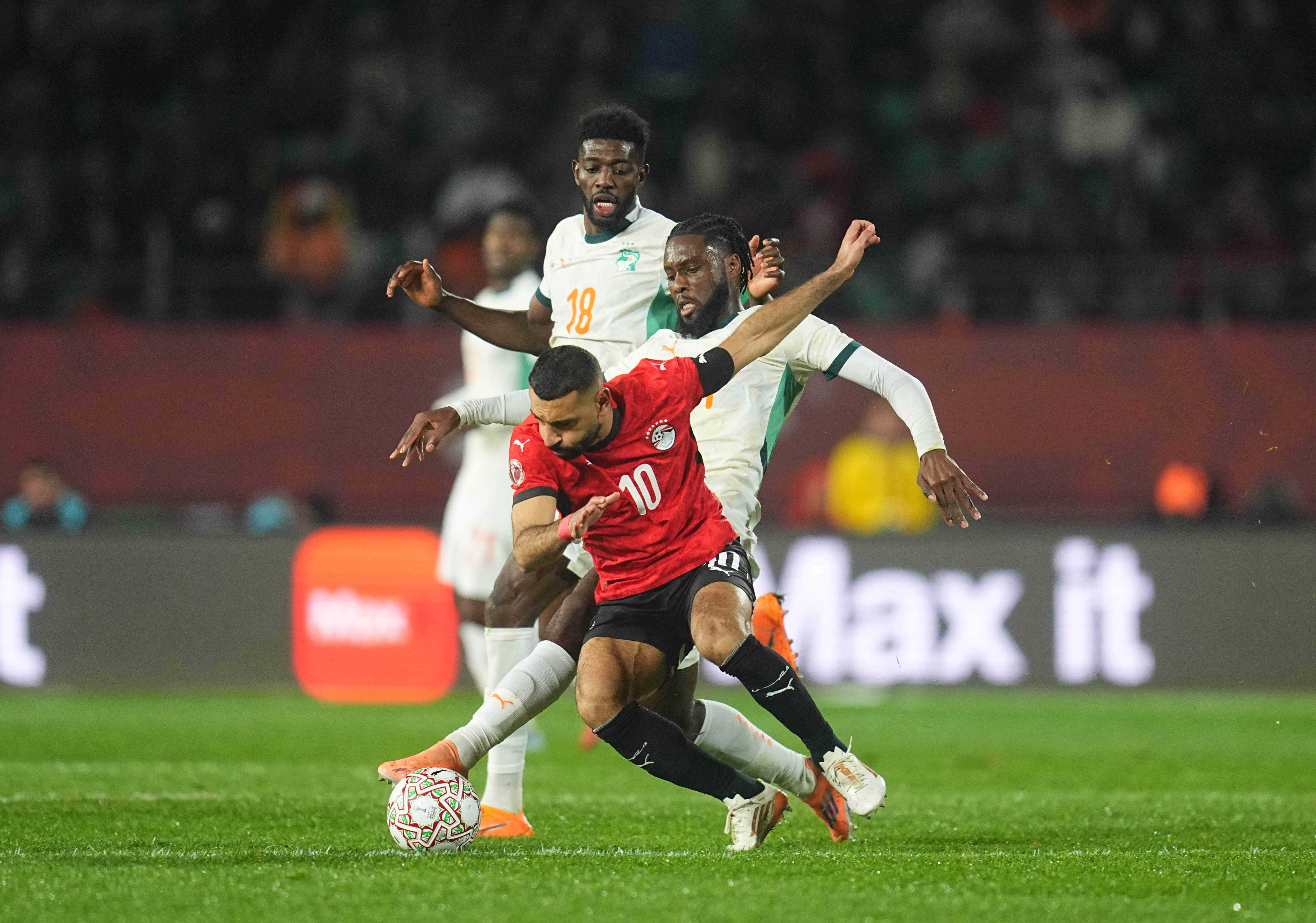
This will be the region’s most representative tournament, amid broad changes in its footballing landscape.

Issam Kayssi
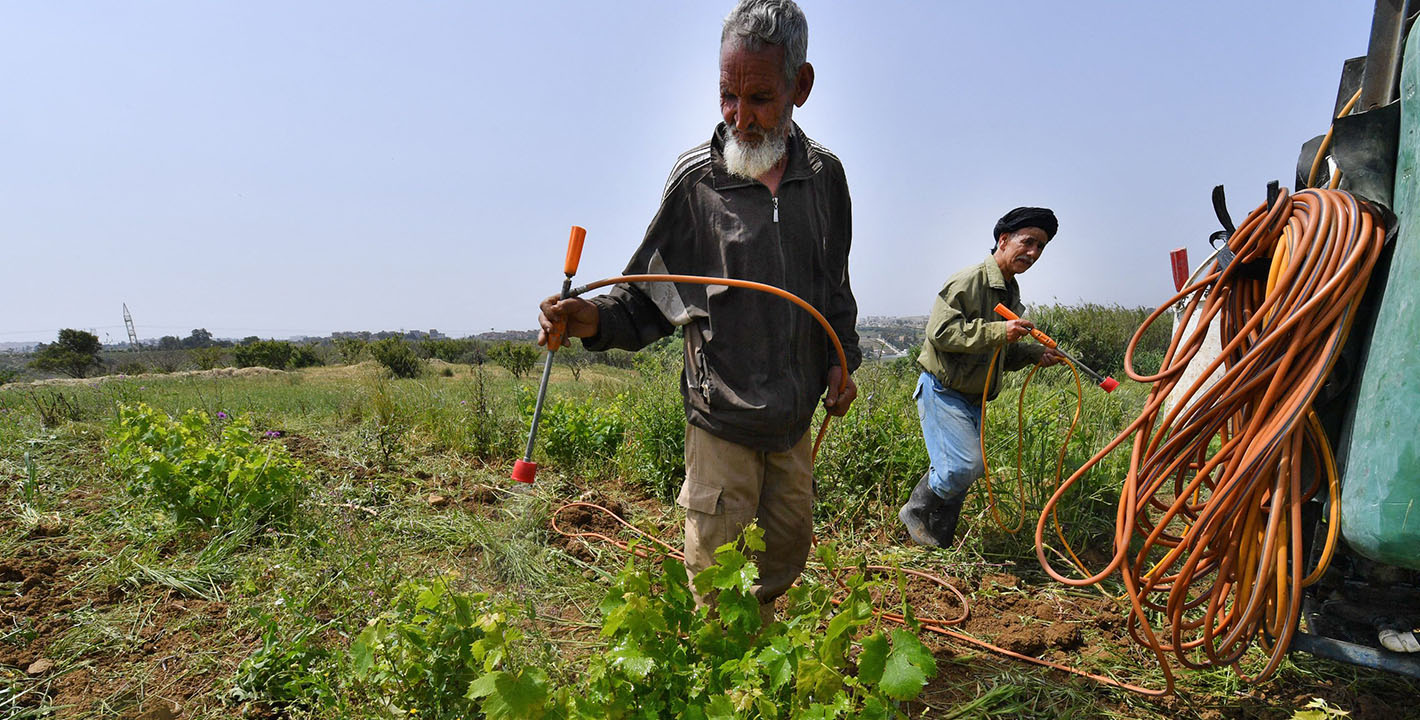
Understanding how farmers in the Oued Sahel-Soummam Valley grapple with climate change is essential for addressing the paradoxes through which adaptation, operating at both individual and institutional levels, deepens the region’s vulnerability and erodes the social fabric and agrarian identity that once defined life.
Ilyssa Yahmi
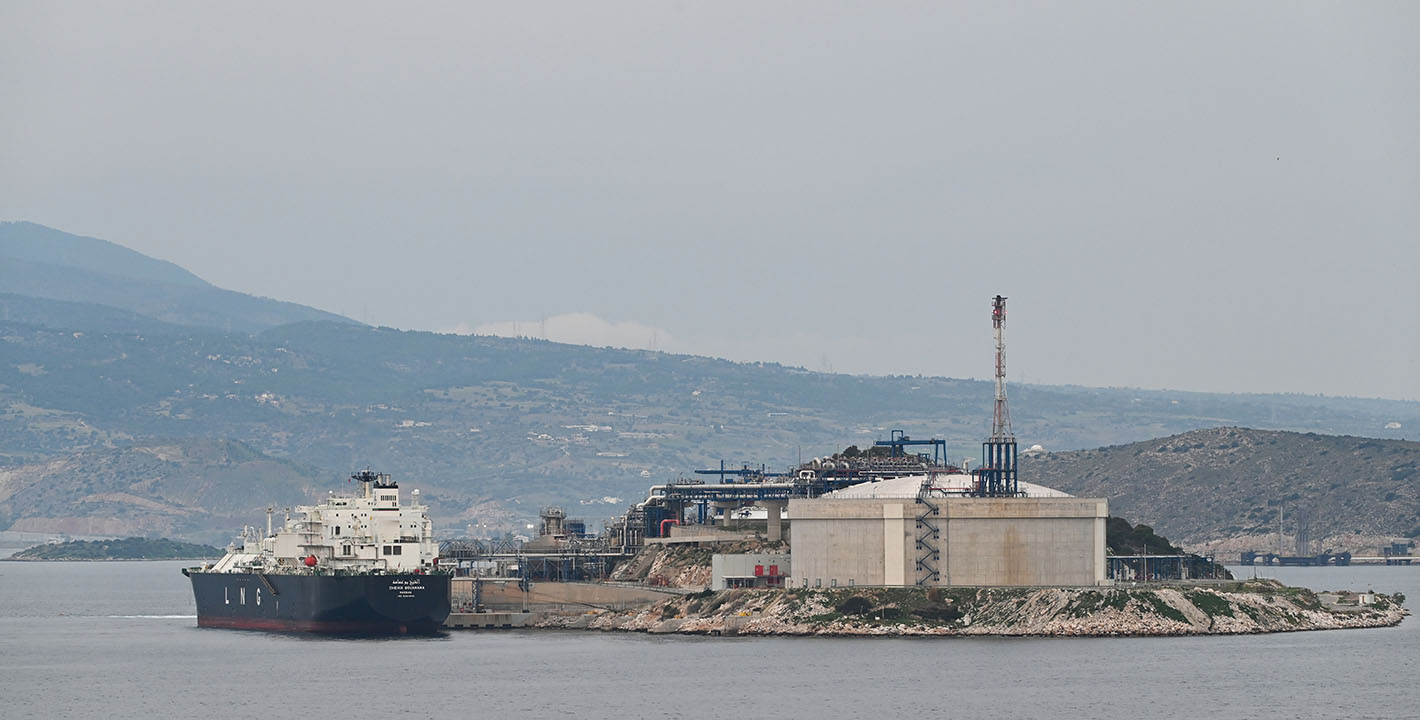
Unless the European Union-led energy transition provides economic development to Algeria, Morocco, and Tunisia, the process may be perceived as a new form of extraction.
Yasmine Zarhloule