

Q&A
Darshana M. Baruah, Satyendra Prasad, Denghua Zhang
{
  "authors": [
    "Darshana M. Baruah"
  ],
  "type": "legacyinthemedia",
  "centerAffiliationAll": "",
  "centers": [
    "Carnegie Endowment for International Peace",
    "Carnegie India"
  ],
  "collections": [
    "Bay of Bengal Initiative"
  ],
  "englishNewsletterAll": "",
  "nonEnglishNewsletterAll": "",
  "primaryCenter": "Carnegie India",
  "programAffiliation": "",
  "programs": [],
  "projects": [],
  "regions": [
    "South Asia",
    "India"
  ],
  "topics": [
    "Foreign Policy"
  ]
}
Source: Getty
Recent developments in maritime Asia have forced Delhi to re-examine its naval priorities.
Source: War on the Rocks
India’s military priorities are highlighted by its defense budget: the army funded at 55 percent, the air force at 23 percent, and the navy at a meager 15 percent. Since independence, troubles along India’s continental borders, including wars with China and Pakistan, have kept the country’s defense focused on its northern frontiers. A quiet maritime environment and a strong navy inherited from the British have allowed India to establish a prominent role in the Indian Ocean region without much effort.
In particular, the Andaman and Nicobar Islands have been neglected in Delhi’s strategic and political priorities, especially given their distance (approximately 1200 kilometers from the mainland). Priorities within the navy focused on strengthening India’s immediate coastline while the islands’ potential was something to be taken advantage of later. However, recent developments in maritime Asia have forced Delhi to re-examine its naval priorities, and the current government has started showing more enthusiasm for maritime security.

Former Nonresident Scholar, South Asia Program
Darshana M. Baruah was a nonresident scholar with the South Asia Program at the Carnegie Endowment for International Peace where she directs the Indian Ocean Initiative.
Recent Work
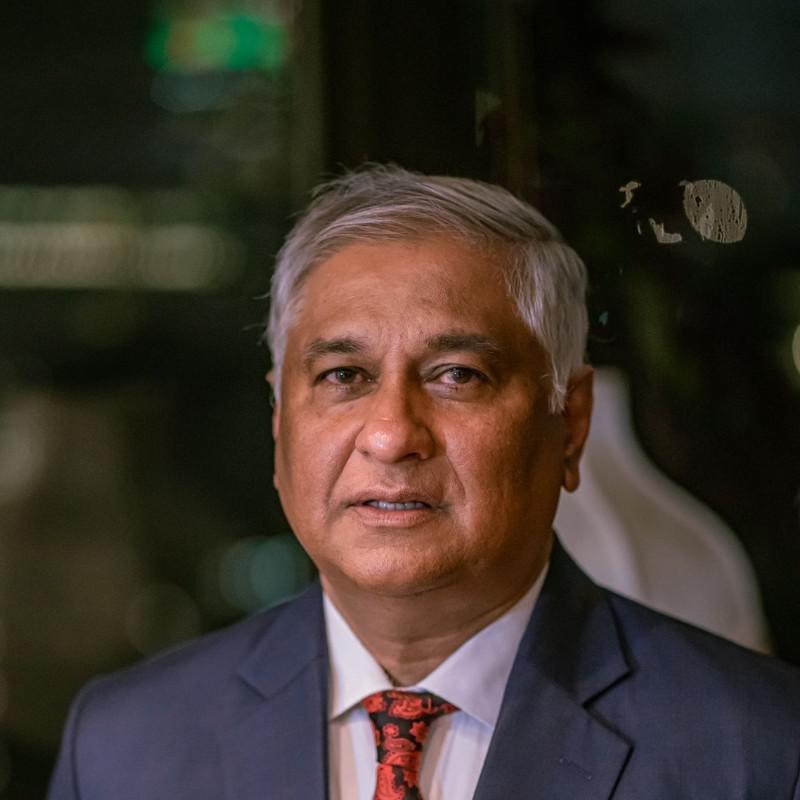

Darshana M. Baruah, Satyendra Prasad, Denghua Zhang
Darshana M. Baruah
Carnegie does not take institutional positions on public policy issues; the views represented herein are those of the author(s) and do not necessarily reflect the views of Carnegie, its staff, or its trustees.

Just look at Iraq in 1991.

Marwan Muasher

A coalition of states is seeking to avert a U.S. attack, and Israel is in the forefront of their mind.

Michael Young

Baku may allow radical nationalists to publicly discuss “reunification” with Azeri Iranians, but the president and key officials prefer not to comment publicly on the protests in Iran.

Bashir Kitachaev

The country’s leadership is increasingly uneasy about multiple challenges from the Levant to the South Caucasus.

Armenak Tokmajyan
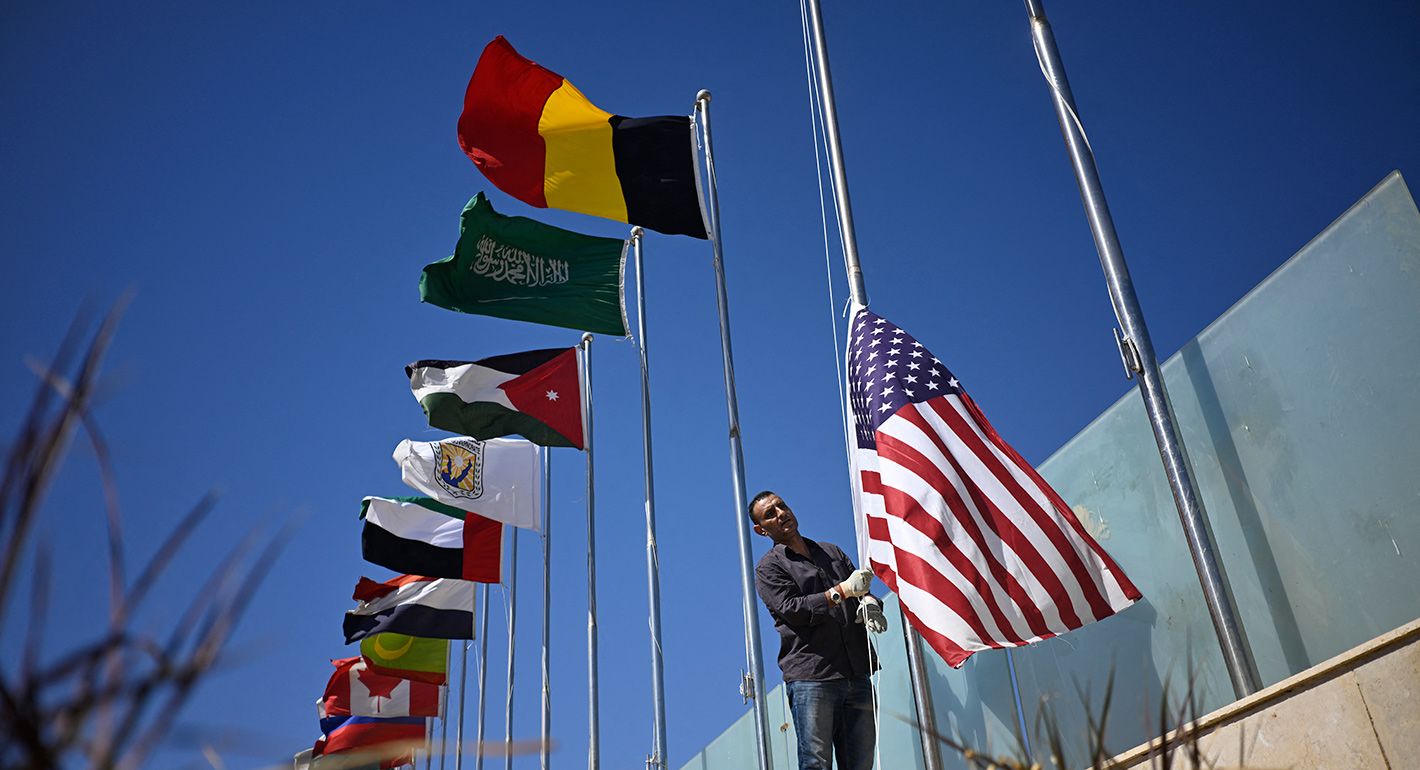
The countries of the region have engaged in sustained competition that has tested their capacities and limitations, while resisting domination by rivals. Can a more stable order emerge from this maelstrom, and what would it require?
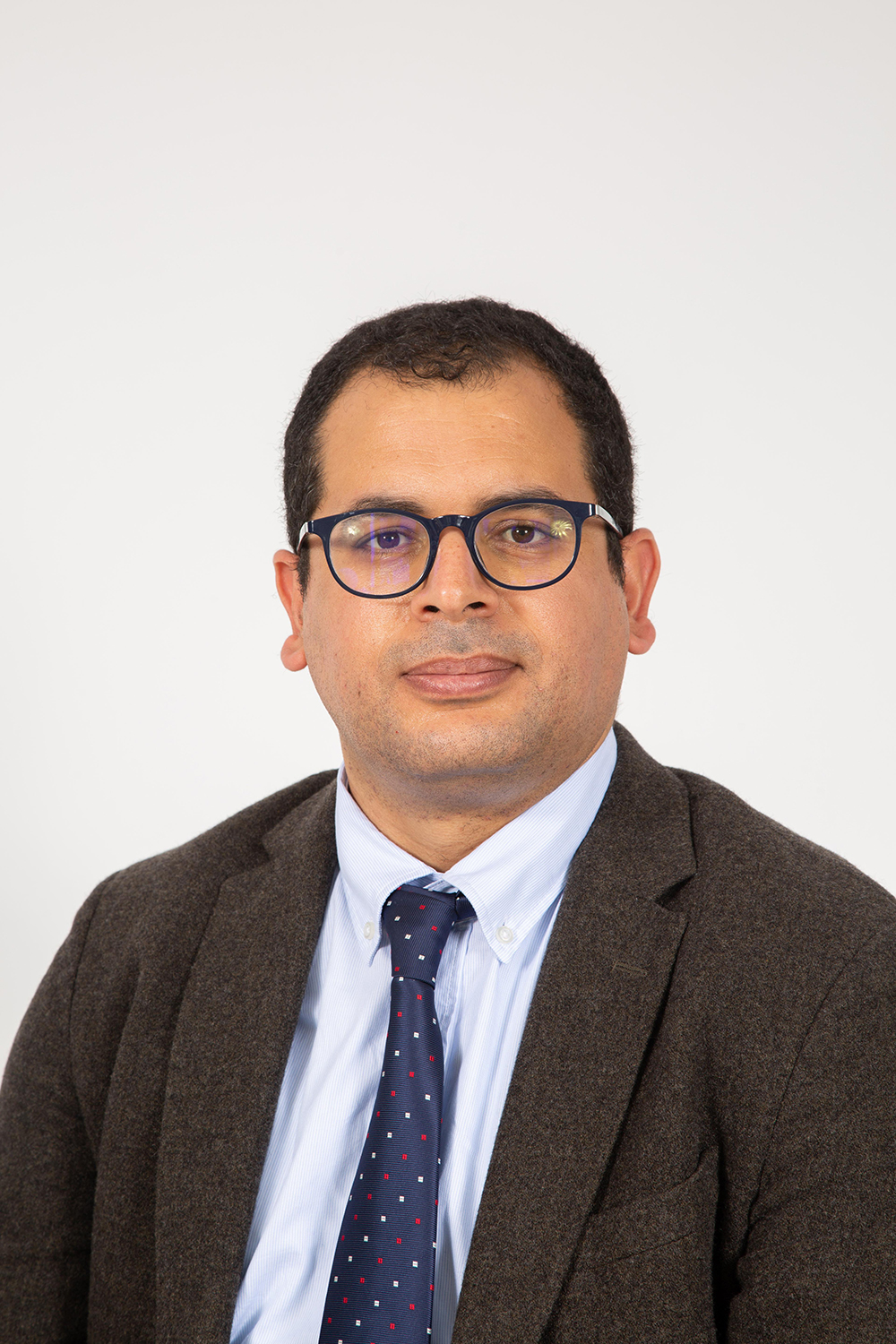

Hamza Meddeb, Mohamed Ali Adraoui