

Q&A
Darshana M. Baruah, Satyendra Prasad, Denghua Zhang
{
  "authors": [
    "Darshana M. Baruah"
  ],
  "type": "other",
  "centerAffiliationAll": "",
  "centers": [
    "Carnegie Endowment for International Peace",
    "Carnegie India"
  ],
  "collections": [],
  "englishNewsletterAll": "",
  "nonEnglishNewsletterAll": "",
  "primaryCenter": "Carnegie India",
  "programAffiliation": "",
  "programs": [],
  "projects": [],
  "regions": [
    "South Asia",
    "India",
    "Indo-Pacific"
  ],
  "topics": [
    "Foreign Policy"
  ]
}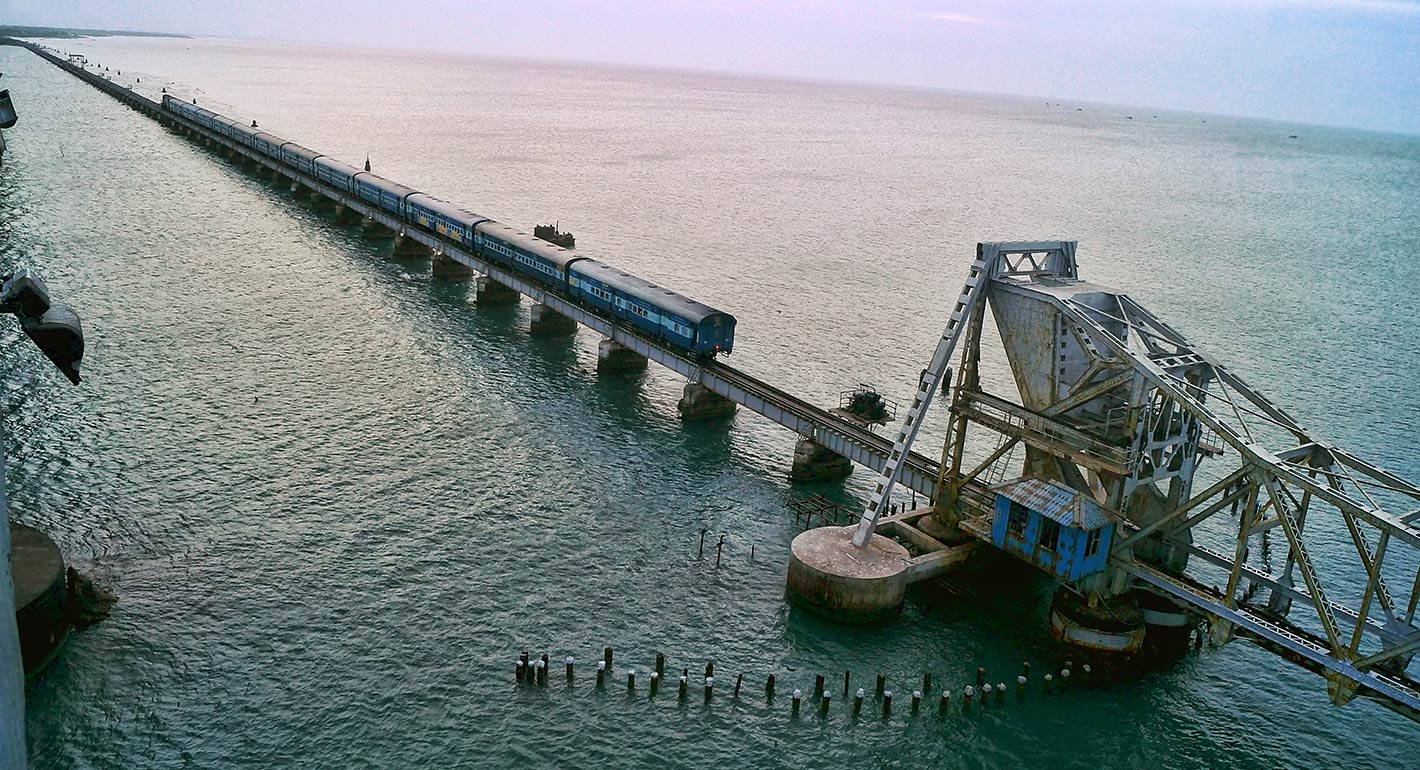
Source: Getty
India's geographic location in the Indian Ocean naturally renders the Indian Navy as one of the key players in the region, and an important partner for the Indian Ocean community to keep the area stable and secure.
Source: Oxford University Press
The Indian Ocean is an area of primary importance to the Indian Navy and instability in the region directly affects India's security environment. India's geographic location in the Indian Ocean naturally renders the Indian Navy as one of the key players in the region and an important partner for the Indian Ocean community to keep the area stable and secure. Compared to the Pacific, the Indian Ocean has previously been fairly free of conflicts and geopolitical competition giving India a sense of security in its Indian Ocean role. New Delhi for far too long has been occupied with troubles along its continental border with limited focus on maritime security. The lack of an interest in developing a coherent maritime security strategy in the Indian defence establishment was aided by a relatively favourable maritime environment. The security environment in the Indian Ocean today, however, is quickly changing with a rise in strategic competition. Recent developments have forced New Delhi to take a fresh look at its maritime strategy, particularly under the current government led by Prime Minister Narendra Modi. This chapter examines enhancing India's maritime domain awareness (MDA) in the Indian Ocean as a part of India's new maritime outlook. It underlines the factors driving this change especially in context of the Sino-Indian relationship. The chapter concludes with a set of recommendations to enhance India's surveillance capabilities in the Indian Ocean region improving its domain awareness.
This book chapter was originally published by the Oxford University Press.

Former Nonresident Scholar, South Asia Program
Darshana M. Baruah was a nonresident scholar with the South Asia Program at the Carnegie Endowment for International Peace where she directs the Indian Ocean Initiative.
Recent Work

Darshana M. Baruah, Satyendra Prasad, Denghua Zhang
Darshana M. Baruah
Carnegie does not take institutional positions on public policy issues; the views represented herein are those of the author(s) and do not necessarily reflect the views of Carnegie, its staff, or its trustees.

Just look at Iraq in 1991.

Marwan Muasher

A coalition of states is seeking to avert a U.S. attack, and Israel is in the forefront of their mind.

Michael Young

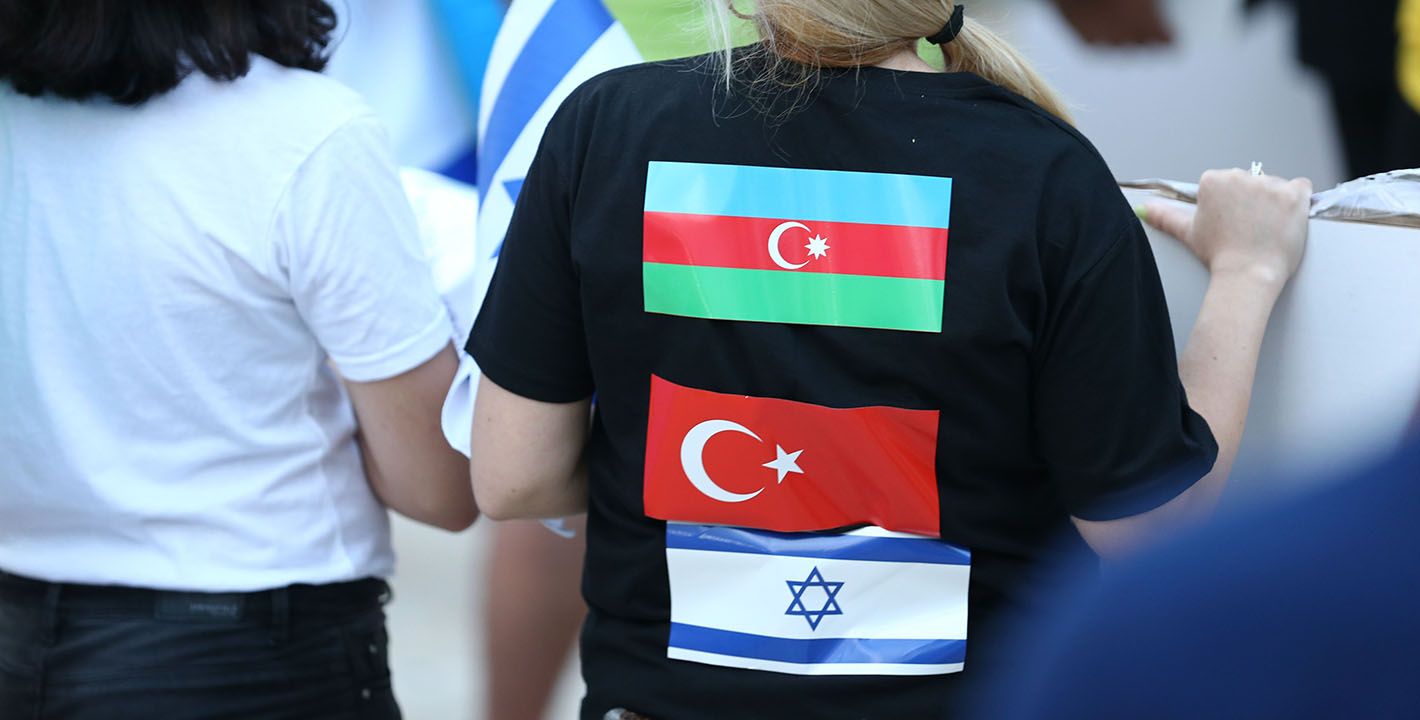
Baku may allow radical nationalists to publicly discuss “reunification” with Azeri Iranians, but the president and key officials prefer not to comment publicly on the protests in Iran.

Bashir Kitachaev
The country’s leadership is increasingly uneasy about multiple challenges from the Levant to the South Caucasus.

Armenak Tokmajyan
The countries of the region have engaged in sustained competition that has tested their capacities and limitations, while resisting domination by rivals. Can a more stable order emerge from this maelstrom, and what would it require?


Hamza Meddeb, Mohamed Ali Adraoui