

Commentary
Huawei pushed hard to enter the Egyptian data centers market, until the Americans made a better offer.
Angie Omar
{
  "authors": [
    "Tang Xiaoyang"
  ],
  "type": "other",
  "centerAffiliationAll": "",
  "centers": [
    "Carnegie Endowment for International Peace",
    "Carnegie China"
  ],
  "collections": [
    "China and the Developing World",
    "China’s Foreign Relations",
    "Carnegie China Commentaries"
  ],
  "englishNewsletterAll": "",
  "nonEnglishNewsletterAll": "",
  "primaryCenter": "Carnegie China",
  "programAffiliation": "",
  "programs": [],
  "projects": [],
  "regions": [
    "East Asia",
    "China"
  ],
  "topics": [
    "Economy",
    "Foreign Policy"
  ]
}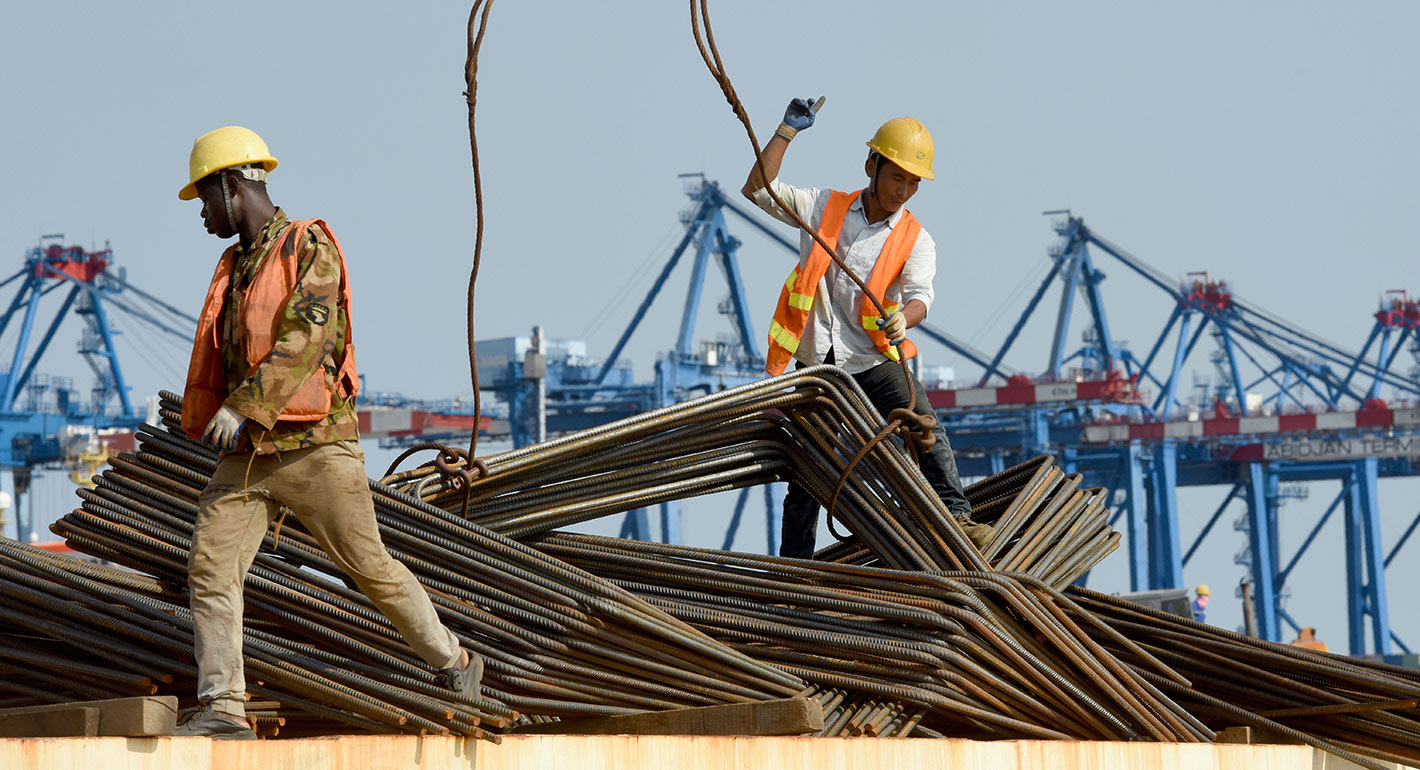
Source: Getty
Historically, China has forged its own distinctive foreign aid practices. In March 2018, Beijing established the China International Development Cooperation Agency (CIDCA) to integrate and streamline its development aid programs.
Historically, China has forged its own distinctive foreign aid practices. Beijing combines aid with commercial-oriented activities and strives to respond flexibly to varied economic and developmental needs in diverse sociopolitical contexts, based on China’s own experience as a developing country. As its foreign aid programs have matured, Beijing has modified its practices and sometimes has solicited advice from members of the Organization for Economic Co-operation and Development. China’s approach to aid has become a highly salient topic as the country’s stature as a provider of economic assistance has grown.
Yet China’s development aid system was long highly decentralized, with various ministries handling different aspects of this portfolio. In March 2018, Beijing established the China International Development Cooperation Agency (CIDCA) to integrate and streamline its development aid programs. The CIDCA has assumed many foreign aid coordination duties from other state organs, although the agency is still finding its footing, and some details remain unclear.
To foster greater understanding of the CIDCA’s significance, this series of four articles outlines the agency’s position and function within China’s foreign aid bureaucracy at present and in the years ahead.
This series resulted from a workshop on Chinese international development aid hosted by the Carnegie–Tsinghua Center for Global Policy. The center is grateful to The Rockefeller Foundation for the support that made this series possible.
Tang Xiaoyang
Former Resident Scholar and Deputy Director, Carnegie-Tsinghua Center; Chair and Professor, Department of International Relations, Tsinghua University
Tang Xiaoyang is the chair and a professor in the Department of International Relations at Tsinghua University. He was a resident scholar and the deputy director at the Carnegie-Tsinghua Center until June 2020.
Carnegie does not take institutional positions on public policy issues; the views represented herein are those of the author(s) and do not necessarily reflect the views of Carnegie, its staff, or its trustees.

Huawei pushed hard to enter the Egyptian data centers market, until the Americans made a better offer.

Angie Omar

By failing to address Palestinian representation, the current process is bound to lead to just another temporary arrangement.

Nathan J. Brown

The armed forces champion a form of capitalism that is generating revenue, but its reliance on rent faces diminishing returns, leaving the country with massive sunk costs and deferred returns, deepening dependency on external borrowing.

Yezid Sayigh

Just look at Iraq in 1991.

Marwan Muasher

A coalition of states is seeking to avert a U.S. attack, and Israel is in the forefront of their mind.

Michael Young