• Research
  • Diwan
  • About
  • Experts
Carnegie Middle East logoCarnegie lettermark logo
LebanonIran
{
  "authors": [
    "Frederic Wehrey",
    "Jalel Harchaoui"
  ],
  "type": "legacyinthemedia",
  "centerAffiliationAll": "dc",
  "centers": [
    "Carnegie Endowment for International Peace"
  ],
  "collections": [],
  "englishNewsletterAll": "menaTransitions",
  "nonEnglishNewsletterAll": "",
  "primaryCenter": "Carnegie Endowment for International Peace",
  "programAffiliation": "MEP",
  "programs": [
    "Middle East"
  ],
  "projects": [],
  "regions": [
    "North Africa",
    "Libya"
  ],
  "topics": [
    "Security",
    "Foreign Policy"
  ]
}

Source: Getty

In The Media

How to Stop Libya’s Collapse

More robust U.S. diplomacy is urgently needed in Libya, not just to halt Haftar’s destructive campaign but to salvage U.S. credibility in a region marked by multipolarity and increasing defiance of the West.

Link Copied
By Frederic Wehrey and Jalel Harchaoui
Published on Jan 7, 2020

Source: Foreign Affairs

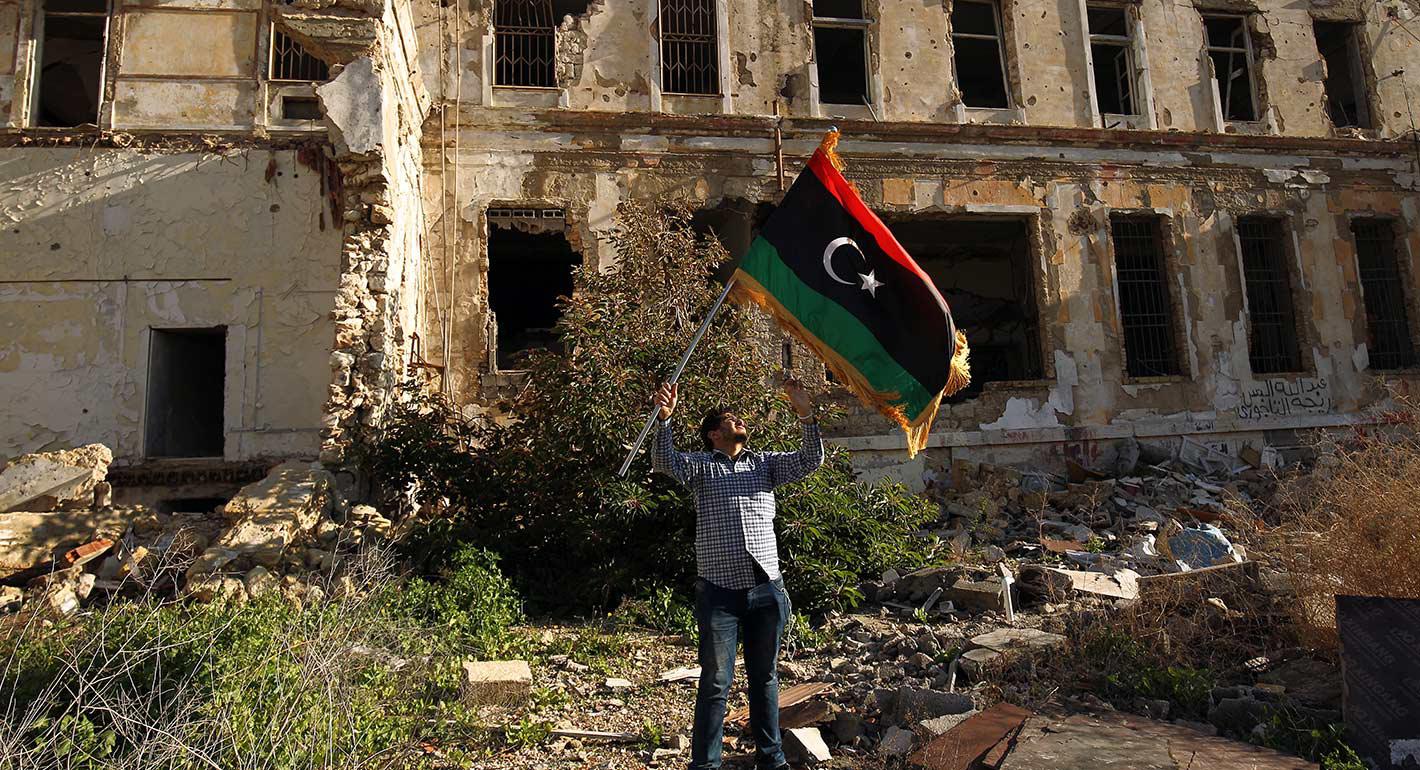
In April 2019, Khalifa Haftar, the militia commander whose forces control much of eastern Libya, began an assault on the capital, Tripoli, in an effort to topple the country’s internationally recognized Government of National Accord (GNA). But instead of a swift, decisive victory establishing Haftar as Libya’s undisputed leader, the offensive resulted in a stalemate. Militias from across western Libya came together to repel Haftar, slowly pushing his forces back into the southern outskirts of the capital. For the next six months, the fighting ground on like this, with drone strikes, artillery barrages, and mortar fire creating a humanitarian crisis but no clear advantage for either side.

Then, in September, hundreds of Russian mercenaries arrived to support Haftar and shifted the battlefield momentum in his direction. Since 2015, Moscow has been gradually ramping up its engagement in Libya, where it sees economic opportunities and a chance to expand its influence at the expense of Western powers. It now supplies Haftar’s forces with antitank missiles and laser-guided artillery and supports them with paramilitary fighters from the Wagner Group, a shadowy military contractor that does the Kremlin’s bidding in a growing list of countries in Africa and the Middle East. Buoyed by the Russians’ tactical expertise, Haftar’s forces are now making slow territorial gains in the capital—and pushing the war into a new and more dangerous phase.

Read Full Text

This article was originally published in Foreign Affairs.

About the Authors

Frederic Wehrey

Senior Fellow, Middle East Program

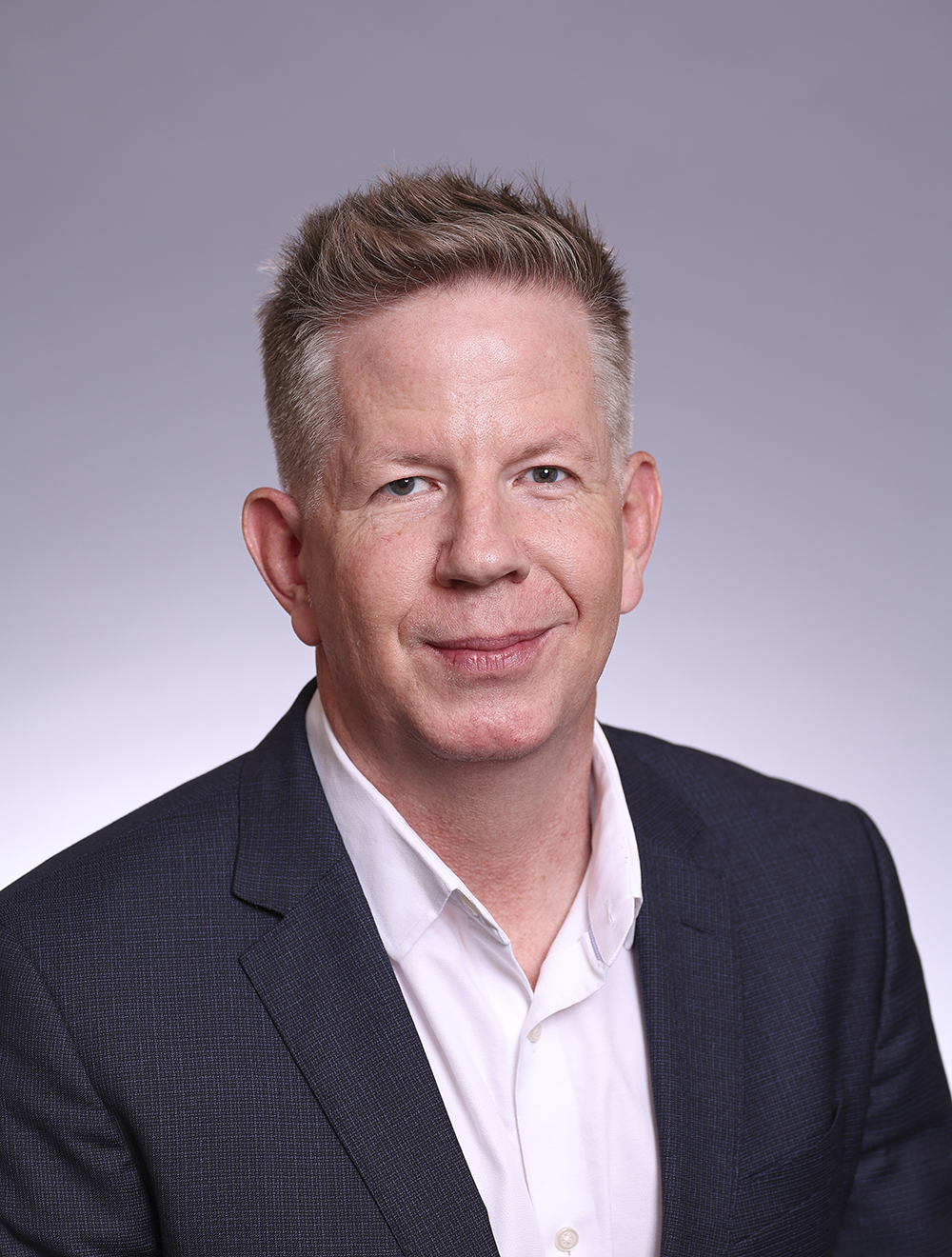
Frederic Wehrey is a senior fellow in the Middle East Program at the Carnegie Endowment for International Peace, where his research focuses on governance, conflict, and security in Libya, North Africa, and the Persian Gulf.

Jalel Harchaoui

Associate Fellow at the Royal United Services Institute (RUSI).

Jalel Harchaoui is a political scientist specialising in North Africa, with a specific focus on Libya. He worked on the same topics previously at The Global Initiative Against Transnational Organised Crime, a Geneva-based NGO, as well as at the Clingendael Institute, based in The Hague. His research has concentrated on Libya’s security landscape and political economy.

Authors

Frederic Wehrey
Senior Fellow, Middle East Program
Frederic Wehrey
Jalel Harchaoui
Associate Fellow at the Royal United Services Institute (RUSI).
Jalel Harchaoui
SecurityForeign PolicyNorth AfricaLibya

Carnegie does not take institutional positions on public policy issues; the views represented herein are those of the author(s) and do not necessarily reflect the views of Carnegie, its staff, or its trustees.

More Work from Malcolm H. Kerr Carnegie Middle East Center

  • people watching smoke rising at sunrise from rooftops
    Commentary
    Emissary
    Bombing Campaigns Do Not Bring About Democracy. Nor Does Regime Change Without a Plan.

    Just look at Iraq in 1991.

      Marwan Muasher

  • Commentary
    Diwan
    When Football Is More Than Football

    The recent African Cup of Nations tournament in Morocco touched on issues that largely transcended the sport.

      Issam Kayssi, Yasmine Zarhloule

  • Commentary
    Diwan
    Iran and the New Geopolitical Moment

    A coalition of states is seeking to avert a U.S. attack, and Israel is in the forefront of their mind.

      Michael Young

  • Commentary
    Carnegie Politika
    Baku Proceeds With Caution as Ethnic Azeris Join Protests in Neighboring Iran

    Baku may allow radical nationalists to publicly discuss “reunification” with Azeri Iranians, but the president and key officials prefer not to comment publicly on the protests in Iran.

      Bashir Kitachaev

  • Commentary
    Diwan
    Iran’s Woes Aren’t Only Domestic

    The country’s leadership is increasingly uneasy about multiple challenges from the Levant to the South Caucasus.

      Armenak Tokmajyan

Get more news and analysis from
Malcolm H. Kerr Carnegie Middle East Center
Carnegie Middle East logo, white
  • Research
  • Diwan
  • About
  • Experts
  • Projects
  • Events
  • Contact
  • Careers
  • Privacy
  • For Media
Get more news and analysis from
Malcolm H. Kerr Carnegie Middle East Center
© 2026 Carnegie Endowment for International Peace. All rights reserved.