

Commentary
Just look at Iraq in 1991.
Marwan Muasher
{
  "authors": [
    "Deep Pal",
    "Rahul Bhatia",
    "Suchet Vir Singh"
  ],
  "type": "legacyinthemedia",
  "centerAffiliationAll": "",
  "centers": [
    "Carnegie Endowment for International Peace",
    "Carnegie India"
  ],
  "collections": [],
  "englishNewsletterAll": "",
  "nonEnglishNewsletterAll": "",
  "primaryCenter": "Carnegie India",
  "programAffiliation": "",
  "programs": [],
  "projects": [],
  "regions": [
    "South Asia",
    "India",
    "East Asia",
    "China"
  ],
  "topics": [
    "Foreign Policy"
  ]
}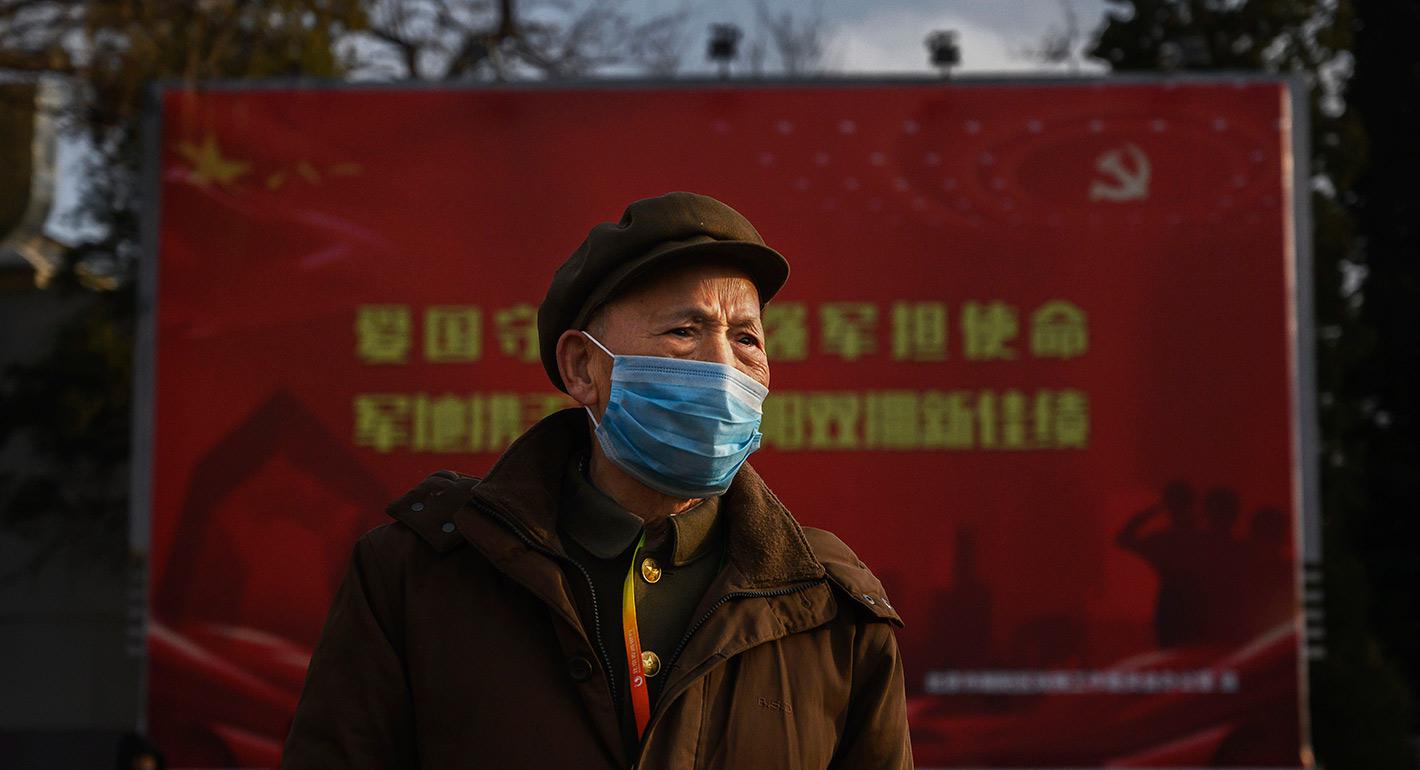
Source: Getty
China’s foreign minister Wang Yi finally admitted late last month that the Covid-19 pandemic has severely slowed down Beijing’s flagship foreign policy project, the Belt and Road Initiative.
Source: Print
China’s foreign minister Wang Yi finally admitted late last month that the Covid-19 pandemic has severely slowed down Beijing’s flagship foreign policy project, the Belt and Road Initiative. He, however, asserted that the impact was temporary, and the BRI will be back, stronger than ever.
Former Visiting Scholar, Asia Program
Deep Pal was a visiting scholar in the Asia program at Carnegie Endowment for International Peace.
Rahul Bhatia
Former Research Analyst Carnegie India
Rahul Bhatia was a research analyst with the Security Studies Program at Carnegie India. His research focuses on India’s borders and India’s foreign and defense policies.
Suchet Vir Singh
Carnegie does not take institutional positions on public policy issues; the views represented herein are those of the author(s) and do not necessarily reflect the views of Carnegie, its staff, or its trustees.

Just look at Iraq in 1991.

Marwan Muasher

A coalition of states is seeking to avert a U.S. attack, and Israel is in the forefront of their mind.

Michael Young

Baku may allow radical nationalists to publicly discuss “reunification” with Azeri Iranians, but the president and key officials prefer not to comment publicly on the protests in Iran.

Bashir Kitachaev
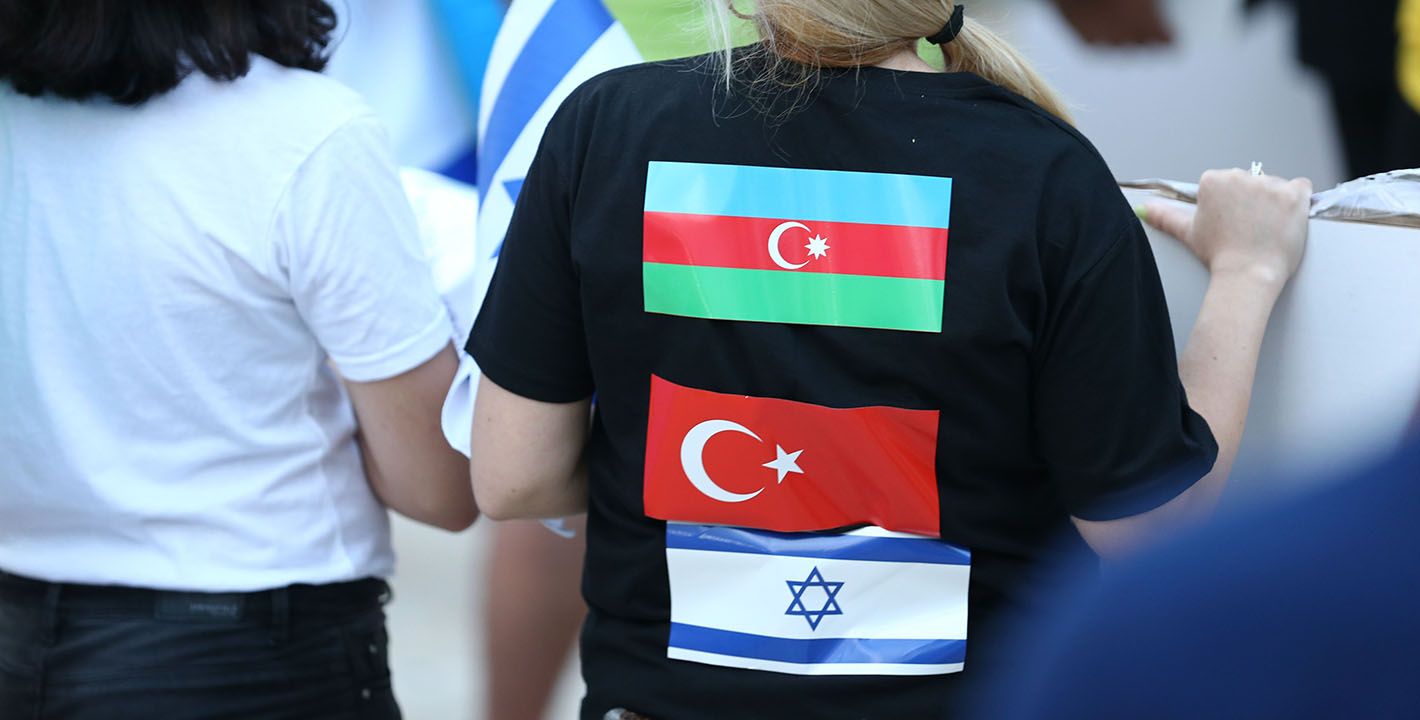
The country’s leadership is increasingly uneasy about multiple challenges from the Levant to the South Caucasus.

Armenak Tokmajyan
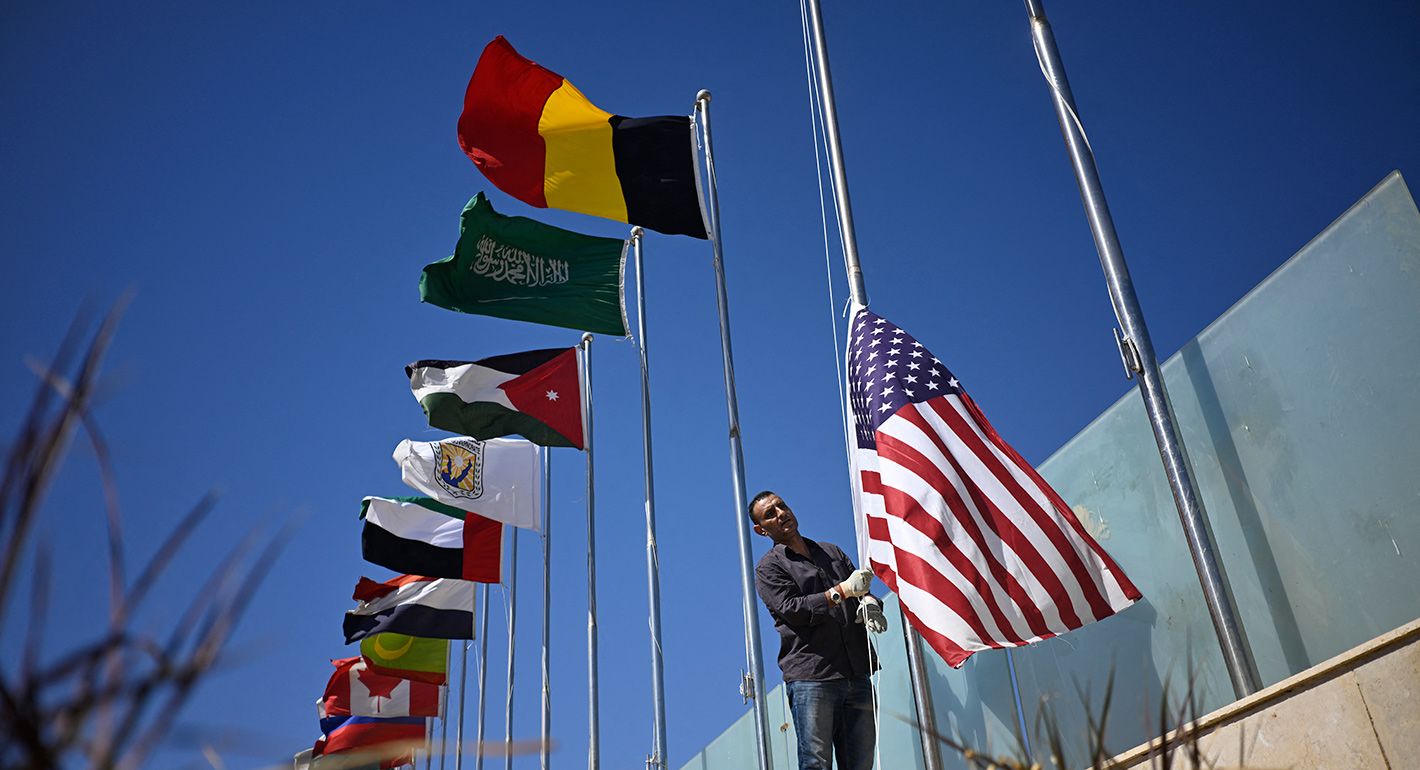
The countries of the region have engaged in sustained competition that has tested their capacities and limitations, while resisting domination by rivals. Can a more stable order emerge from this maelstrom, and what would it require?
Hamza Meddeb, Mohamed Ali Adraoui