

Paper
Sarah Yerkes, Natalie Triche, Amr Hamzawy
{
  "authors": [
    "Sarah Yerkes"
  ],
  "type": "legacyinthemedia",
  "centerAffiliationAll": "dc",
  "centers": [
    "Carnegie Endowment for International Peace",
    "Malcolm H. Kerr Carnegie Middle East Center"
  ],
  "collections": [],
  "englishNewsletterAll": "menaTransitions",
  "nonEnglishNewsletterAll": "",
  "primaryCenter": "Carnegie Endowment for International Peace",
  "programAffiliation": "MEP",
  "programs": [
    "Middle East"
  ],
  "projects": [
    "Tunisia Monitor"
  ],
  "regions": [
    "North Africa",
    "Tunisia",
    "Maghreb"
  ],
  "topics": [
    "Political Reform",
    "Democracy",
    "Foreign Policy"
  ]
}
Source: Getty
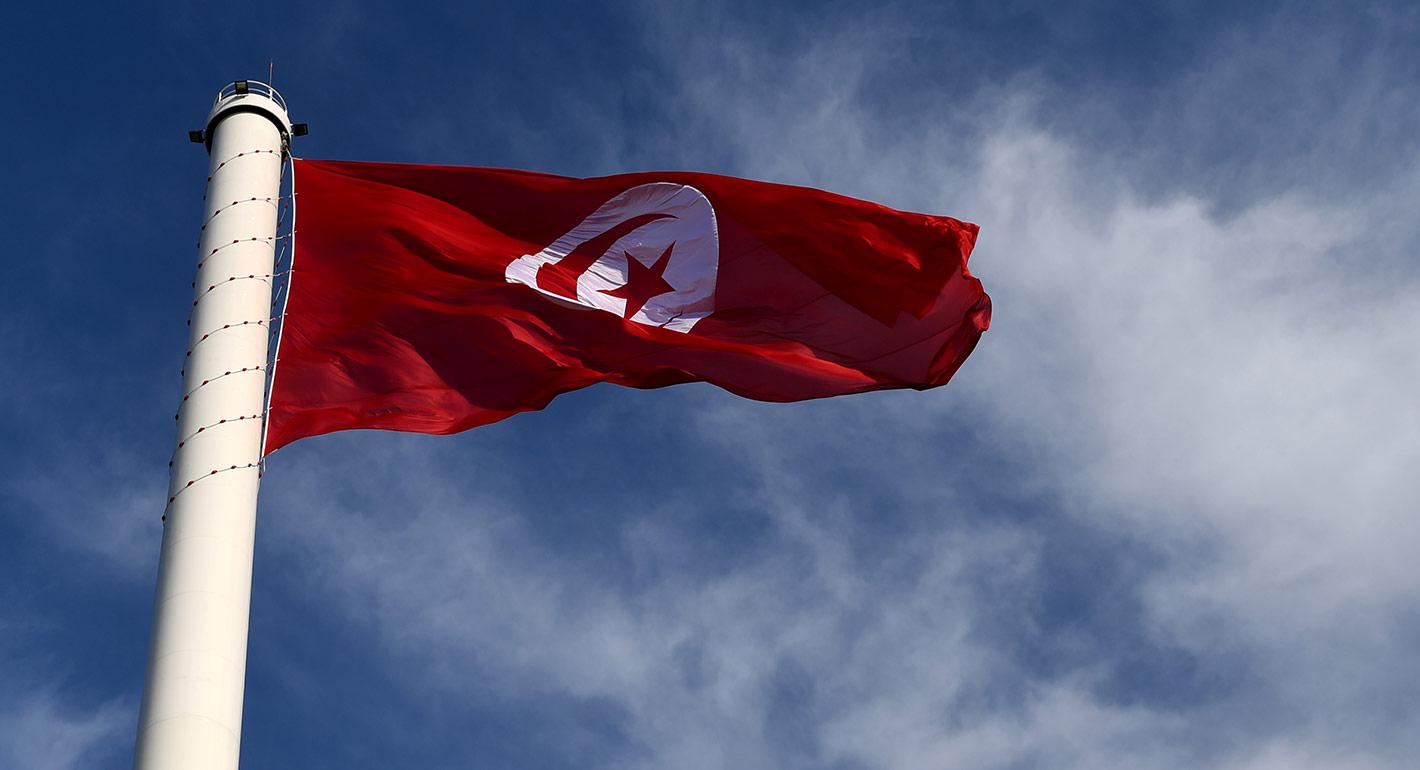
From an economy wracked by the Covid-19 pandemic, to growing political polarisation, to persistent corruption, Tunisia’s political future remains uncertain.
Source: National
As a new government begins its term in Tunisia, the leadership faces a potent combination of challenges that have the potential to derail some of the progress made since January 2011, when the country began its transition to democratic rule. From an economy wracked by the Covid-19 pandemic, to growing political polarisation, to persistent corruption, Tunisia’s political future remains uncertain.
Tunisia has fared relatively well during the pandemic, initiating severe lockdown measures early on that helped keep the number of cases down. While the country has seen an uptick in cases following the reopening of the land, air and sea borders on June 27, the number of cases (more than 8,000 cases and at least 129 deaths as of Thursday) remains low compared to other Mediterranean countries. But the damage Covid-19 has brought to Tunisia is far greater than the disease casualties. Rather, the pandemic has left Tunisia with an unemployment rate of 20 per cent, GDP growth rate expected to decline by 7 per cent this year and a tourism industry a shambles.

Acting Co-Director and Senior Fellow, Middle East Program
Sarah Yerkes is acting co-director and a senior fellow in the Middle East Program at the Carnegie Endowment for International Peace. Her research focuses on democracy and governance, U.S. foreign policy towards the Middle East and North Africa, and political and economic reform in Tunisia.
Recent Work

Sarah Yerkes, Natalie Triche, Amr Hamzawy
Carnegie does not take institutional positions on public policy issues; the views represented herein are those of the author(s) and do not necessarily reflect the views of Carnegie, its staff, or its trustees.

In an interview, Ian Lustick and Eli Clifton discuss their new book on why a prominent ally has so much influence in America.

Michael Young

By failing to address Palestinian representation, the current process is bound to lead to just another temporary arrangement.

Nathan J. Brown

The armed forces champion a form of capitalism that is generating revenue, but its reliance on rent faces diminishing returns, leaving the country with massive sunk costs and deferred returns, deepening dependency on external borrowing.

Yezid Sayigh

Morocco and Algeria, each in its own way, are having to navigate the global economic fallout of the U.S.-Israeli military campaign against Iran.

Yasmine Zarhloule

This will be the region’s most representative tournament, amid broad changes in its footballing landscape.

Issam Kayssi