

Commentary
In an interview, Ian Lustick and Eli Clifton discuss their new book on why a prominent ally has so much influence in America.
Michael Young

Calling for renewed broad engagement and for rebuilding the relationship on a more realistic basis, this work sets key points in the agenda for U.S. and Russian policy makers.
Source: Washington

“These reports highlight the U.S. stakes in Russia and in a healthy outcome to Russia's difficult transition. In this connection, they underscore the importance of reversing the growing estrangement between Washington and Moscow and getting the relationship back on track.”
—Lt. General (Ret.) Brent Scowcroft, Former National Security Advisor to President George Bush
“These parallel reports from Washington and Moscow provide a valuable and unique opportunity to compare the views of leading American and Russian experts and former officials on the troubled state of U.S.-Russian relations and their prescriptions for starting to repair them.”
—Richard G. Lugar, United States Senator
“These parallel reports on the troubled U.S.-Russian relationship by leading American and Russian policy analysts and former senior officials underscore the continuing importance of Russia to U.S. security and the link between protecting vital American strategic nuclear and non-proliferation interests and maintaining a healthy overall relationship with Russia. The recommendations in these reports could help us avoid a U.S.-Russian arms control train wreck and break the impasse on START-3 and ABM Treaty modification.”
—Sam Nunn, Partner, King & Spalding former U.S. Senator
Carnegie does not take institutional positions on public policy issues; the views represented herein are those of the author(s) and do not necessarily reflect the views of Carnegie, its staff, or its trustees.

In an interview, Ian Lustick and Eli Clifton discuss their new book on why a prominent ally has so much influence in America.

Michael Young

By failing to address Palestinian representation, the current process is bound to lead to just another temporary arrangement.

Nathan J. Brown
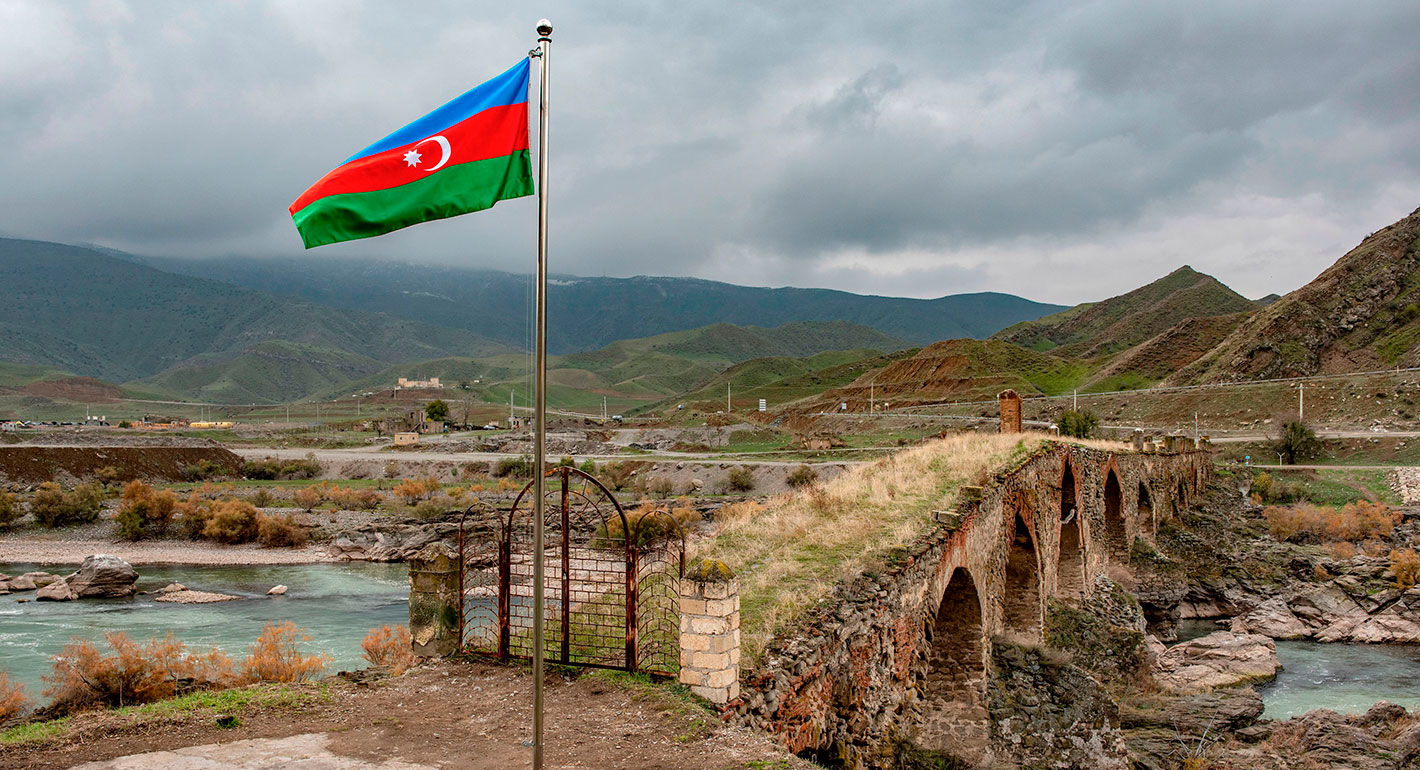
In an interview, Sergei Melkonian discusses Armenia’s and Azerbaijan’s careful balancing act among the United States, Israel, and Iran.

Armenak Tokmajyan

Just look at Iraq in 1991.

Marwan Muasher

A coalition of states is seeking to avert a U.S. attack, and Israel is in the forefront of their mind.
Michael Young