


Commentary
In an interview, Sergei Melkonian discusses Armenia’s and Azerbaijan’s careful balancing act among the United States, Israel, and Iran.
Armenak Tokmajyan

Source: Carnegie
|
|
A Report by the Russian and Eurasian Program of the Carnegie Endowment for International Peace | |
| Format: Paperback, 52pp. | ||
| Pub Date: December 2000 | ||

U.S.-Russian relations are in a period of change. An Agenda for Renewal: U.S.-Russian Relations, produced by the Russian and Eurasian Program of the Carnegie Endowment, sets out an innovative agenda for the renewal of the U.S.-Russian relationship, based on policies that capitalize on areas of mutual interest and affirm the long-term vision of a Russia integrated into Western economic, political, and security structures.
This report is a product of the Russian and Eurasian Program of the Carnegie Endowment for International Peace. The following persons contributed to it through writing or discussion: Anders Åslund, Thomas Carothers, Thomas Graham, Stephen Holmes, Andrew Kuchins, Anatol Lieven, Michael McFaul, Martha Brill Olcott, and Jon Wolfsthal
Carnegie Endowment for International Peace
December 2000 / c. 52 pp.
Carnegie does not take institutional positions on public policy issues; the views represented herein are those of the author(s) and do not necessarily reflect the views of Carnegie, its staff, or its trustees.
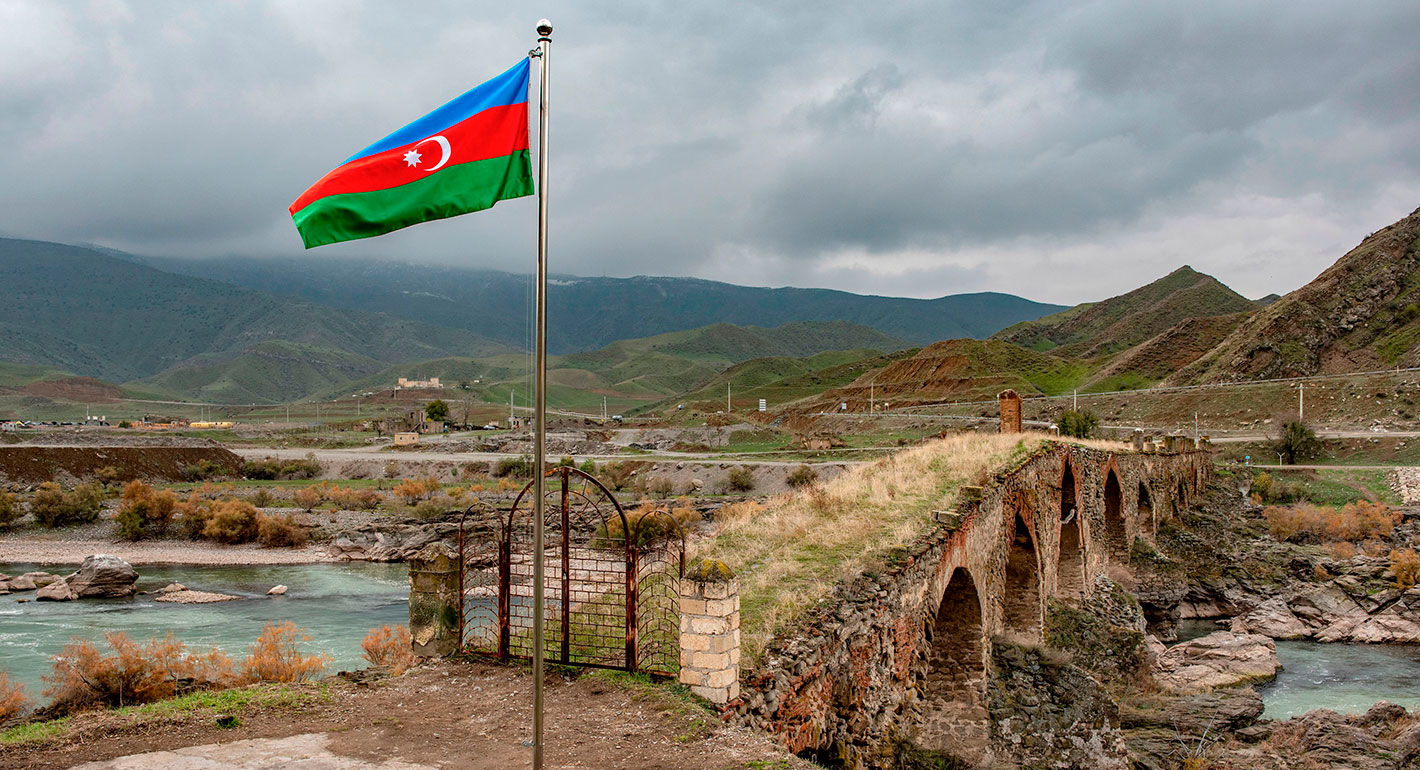
In an interview, Sergei Melkonian discusses Armenia’s and Azerbaijan’s careful balancing act among the United States, Israel, and Iran.

Armenak Tokmajyan

Just look at Iraq in 1991.

Marwan Muasher

A coalition of states is seeking to avert a U.S. attack, and Israel is in the forefront of their mind.

Michael Young

Baku may allow radical nationalists to publicly discuss “reunification” with Azeri Iranians, but the president and key officials prefer not to comment publicly on the protests in Iran.

Bashir Kitachaev
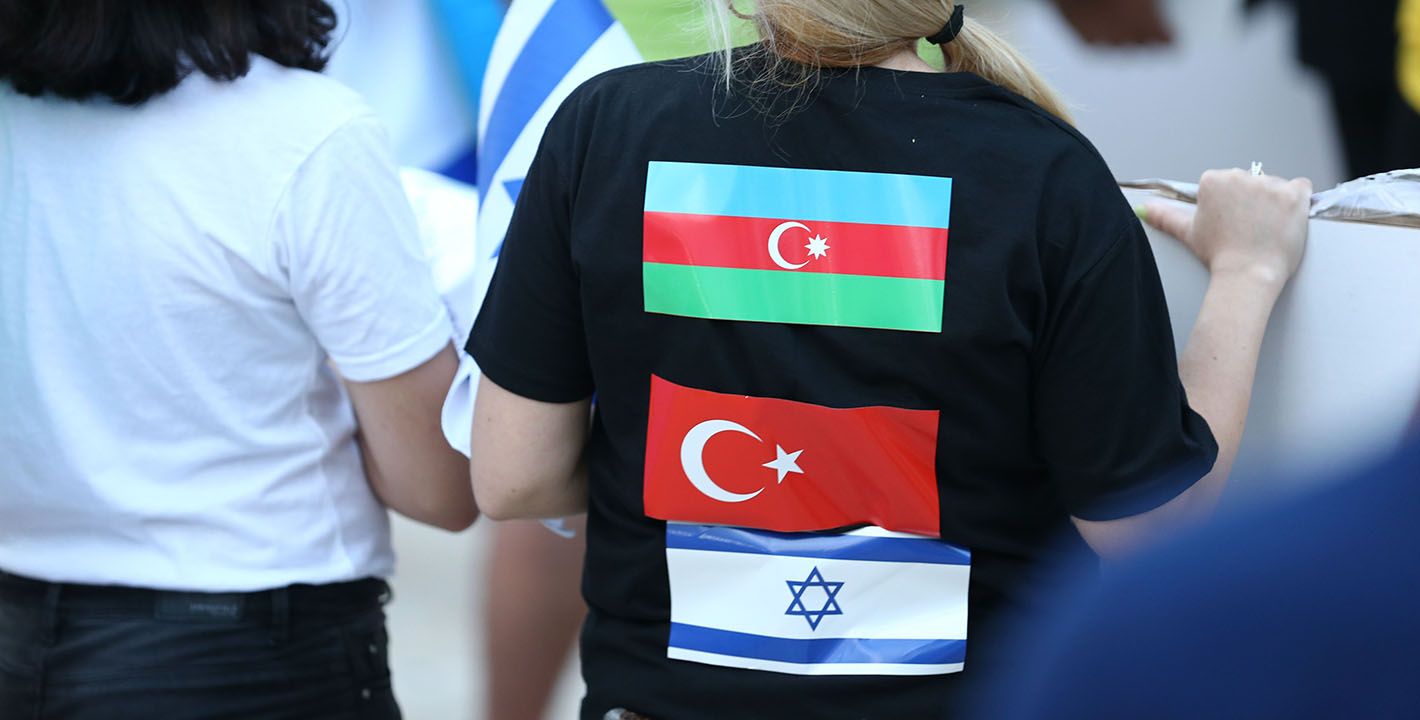
The country’s leadership is increasingly uneasy about multiple challenges from the Levant to the South Caucasus.
Armenak Tokmajyan