

Commentary
Ms. Amy Hawthorne

REQUIRED IMAGE
Source: Publisher
Summary
Since September 11, 2001, a new reform ferment is apparent in the Middle East. Debate about political reform in the region's media, calls for democracy issued by civil society activists, and promises of change by Arab governments have convinced some that democratization is finally underway in the region. In fact, the paper argues, political reform has so far generated far more debate than actual democratizing change in the Arab world. The paper includes a review of the internal and external pressures, including the 2003 U.S.-led invasion of Iraq, that have spurred the current reform debate, and an analysis of the three main perspectives on reform --the liberal democratic agenda, the perspective held by moderate Islamists, and the modernization approach favored by Arab regimes. While a consensus is forming among the region’s political elite that reform is necessary, there is no shared understanding of what reform means. Reformers, however, are unanimous in their rejection of, or at best a very grudging attitude toward, the role of outsiders, especially the United States, in promoting reform.
Most important, the lively, often quite far-reaching debates about reform are only palely reflected in the actual changes that have been introduced to date by Arab states. Arab regimes still control the agenda: they are willing to take measures that benefit their image abroad and buy them time domestically as long as such steps do not infringe on their own power. The future of political reform will be determined by the ability of liberal reformers to attract popular support, by the role of moderates in Islamist movements, and by the willingness of the United States and other Western countries to press for democratic reform.
Click on link above for the full text of this Carnegie Paper.
About the Author
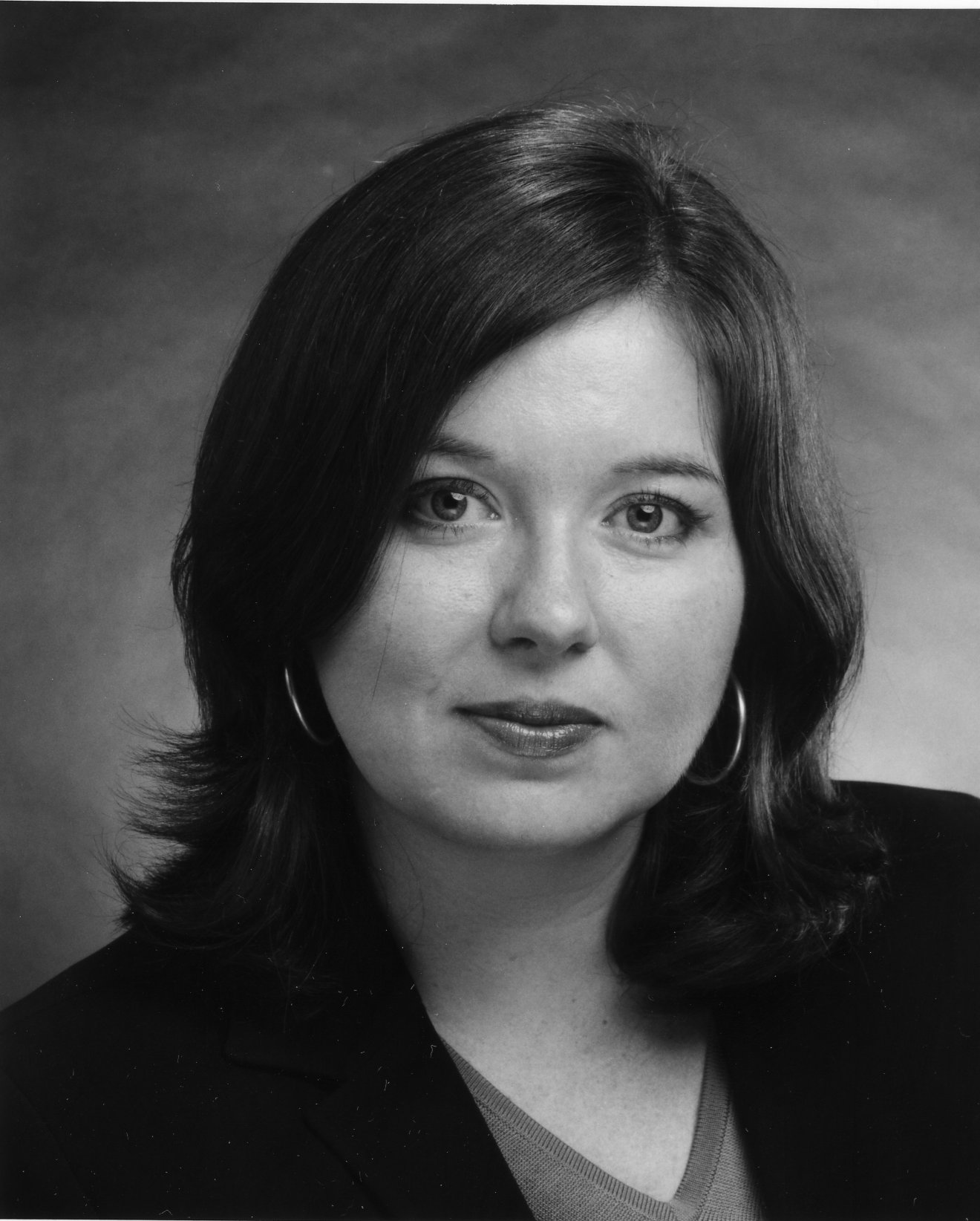
Amy Hawthorne is an associate in the Democracy and Rule of Law Project. She is a specialist on Middle East politics and democracy promotion and editor of the Carnegie Endowment's Arab Reform Bulletin.
A limited number of print copies are available.
Request a copy
Former Associate
Recent Work
Ms. Amy Hawthorne
Ms. Amy Hawthorne, Hesham Nasr
Carnegie does not take institutional positions on public policy issues; the views represented herein are those of the author(s) and do not necessarily reflect the views of Carnegie, its staff, or its trustees.

As the U.S. stumbles in its war with Iran, we are likely to see an acceleration of its disengagement from the region.

Michael Young

The accord represents a pivotal moment in the region to avert a security vacuum in the Gulf.


Azeema Cheema, Mohanad Hage Ali

In an interview, Jason Burke discusses his sweeping account of the “revolutionists” who so shaped the 1970s and early 1980s.
Michael Young

The armed forces champion a form of capitalism that is generating revenue, but its reliance on rent faces diminishing returns, leaving the country with massive sunk costs and deferred returns, deepening dependency on external borrowing.

Yezid Sayigh

Just look at Iraq in 1991.

Marwan Muasher