

Commentary
By failing to address Palestinian representation, the current process is bound to lead to just another temporary arrangement.
Nathan J. Brown

REQUIRED IMAGE
Western media, many Russia scholars, politicians who are not in power, and much of the public see Putin moving Russia further away from democracy, human rights, and the rule of law as they are understood in the West. How can the EU forge a set of common values with Russia in order to further the bilateral relationship and better understand Russia's backslide from democracy?
Summary
Western media, many Russia scholars, politicians who are not in power, and much of the public see President Vladimir Putin moving Russia further away from democracy, human rights, and the rule of law as they are understood in the West. The critics may disagree about whether today’s Russia can be described as a "managed democracy," an "authoritarian state," or a "new totalitarian state." But they all agree that the political system President Putin has designed and erected during the past few years no longer has much in common with western democracy. This paper looks at E.U.–Russia relations from a European and not a Russian perspective. Its main focus is to look at the question of how the issue of "common values" has figured in this relationship, especially when compared with the importance of other major issues.
Click on link above for the full text of this Carnegie Paper.
About the Author
Rolf Schuette was a visiting scholar in the Russian and Eurasian Program at the Carnegie Endowment for International Peace during the autumn of 2004. He is a career diplomat in the German Foreign Service and has served at embassies in Moscow, Tel Aviv, and Rome, and at the United Nations. Until July 2004, he was the head of the Russia, Ukraine, Belarus, and Moldova division in the Foreign Office in Berlin.
Rolf Schuette
Carnegie does not take institutional positions on public policy issues; the views represented herein are those of the author(s) and do not necessarily reflect the views of Carnegie, its staff, or its trustees.

By failing to address Palestinian representation, the current process is bound to lead to just another temporary arrangement.

Nathan J. Brown
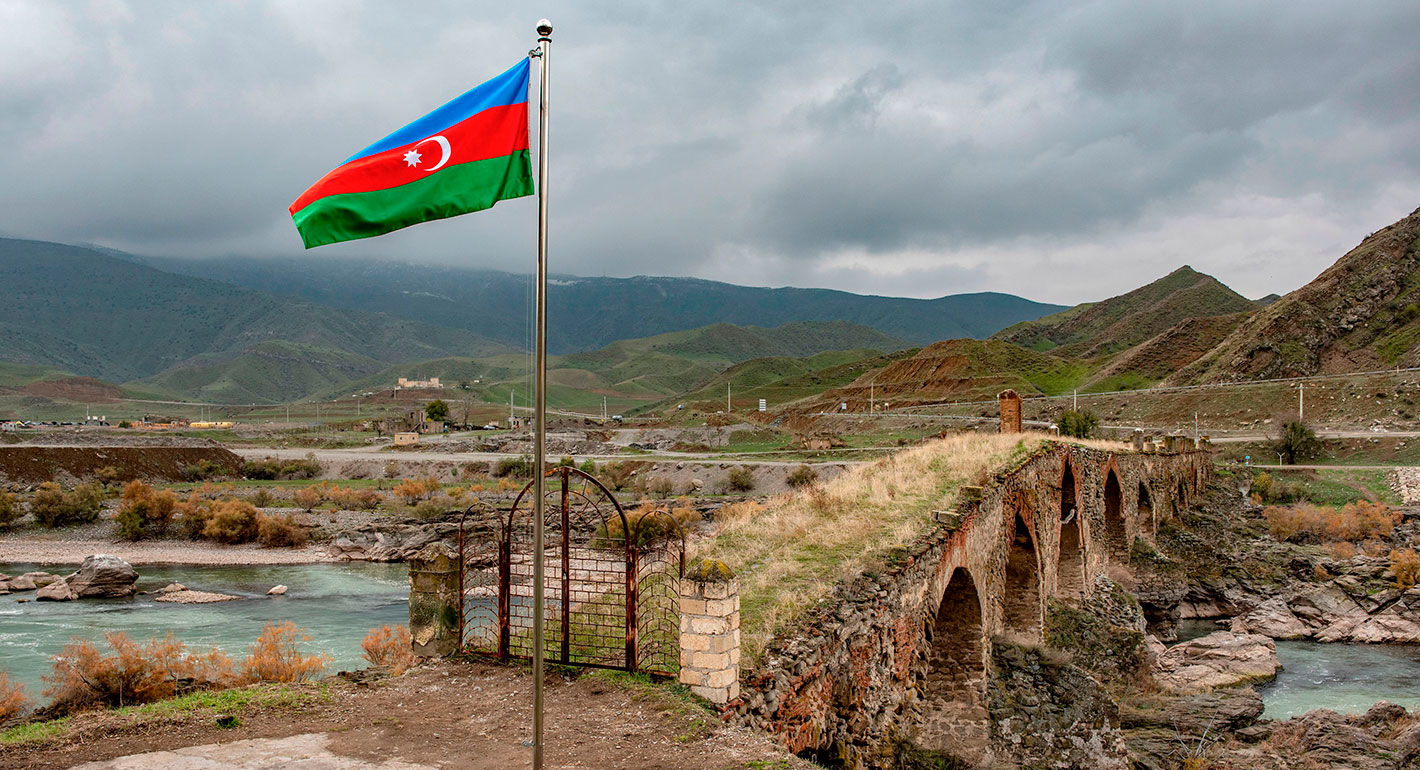
In an interview, Sergei Melkonian discusses Armenia’s and Azerbaijan’s careful balancing act among the United States, Israel, and Iran.

Armenak Tokmajyan

Just look at Iraq in 1991.

Marwan Muasher

A coalition of states is seeking to avert a U.S. attack, and Israel is in the forefront of their mind.

Michael Young

Baku may allow radical nationalists to publicly discuss “reunification” with Azeri Iranians, but the president and key officials prefer not to comment publicly on the protests in Iran.

Bashir Kitachaev