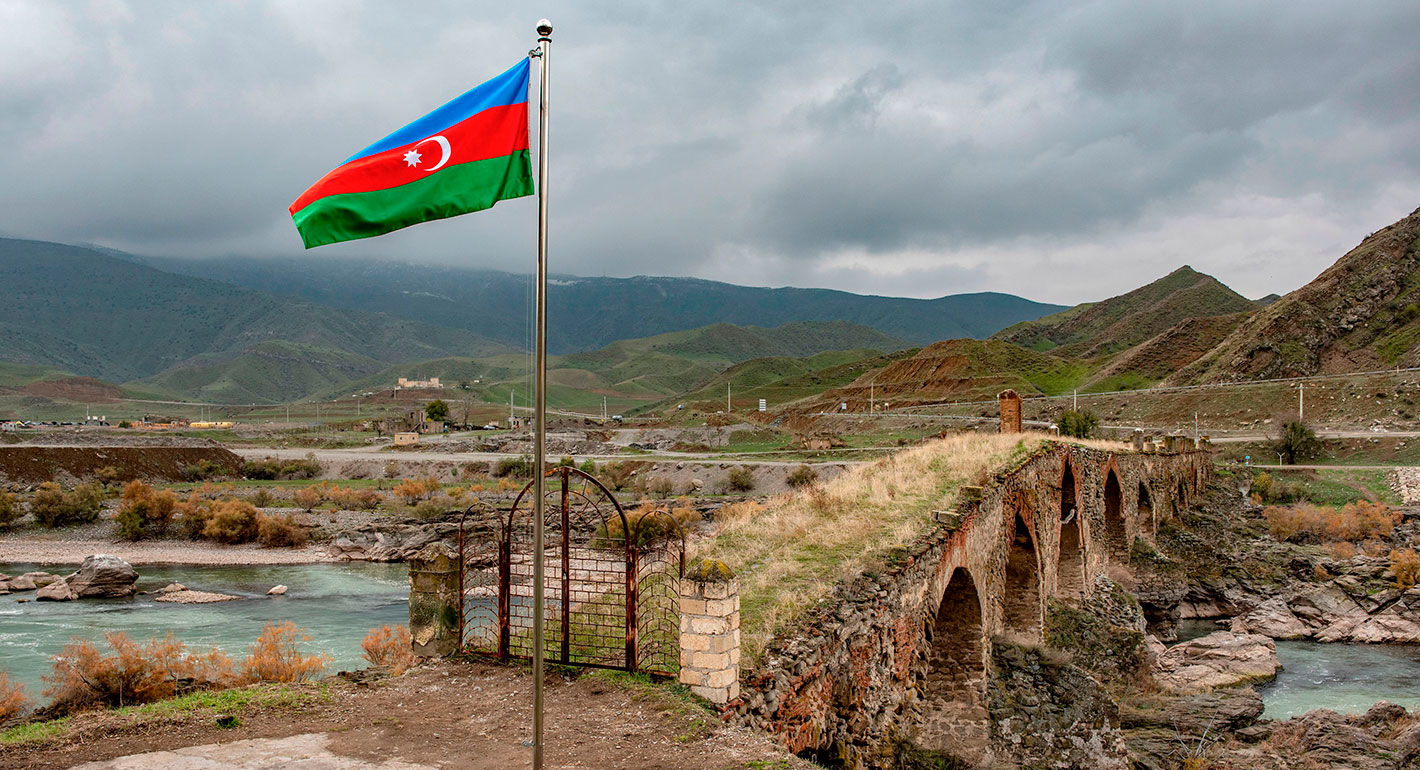

In an interview, Sergei Melkonian discusses Armenia’s and Azerbaijan’s careful balancing act among the United States, Israel, and Iran.
Armenak Tokmajyan
In this global era, the world faces a host of security challenges which cannot be resolved by any one nation, especially through the unilateral use of military force. One key issue that requires urgent international attention is the military use of outer space.
Source: Washington

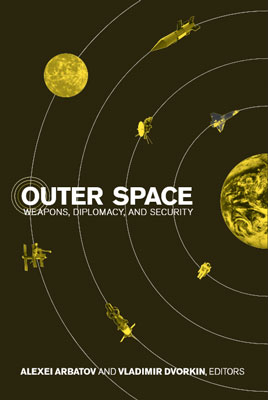
This collection of essays by leading Russian experts analyzes how many countries are using outer space for military purposes. Adapted from the Russian version, Outer Space: Weapons, Diplomacy, and Security describes the space weapons programs of various countries. It details the history of negotiations to prevent, or at least control, the weaponization of space, including analyses of the political, military, technical, and legal problems facing negotiators trying to avoid a catastrophic new space race.
Download a free limited preview.
"As the globalization of economic, political, military, and technological development expands the realm of activity in outer space, this volume provides a compelling road map on how to avoid future conflicts in a critical arena."
—Jessica T. Mathews, President, Carnegie Endowment for International Peace
Alexey Arbatov
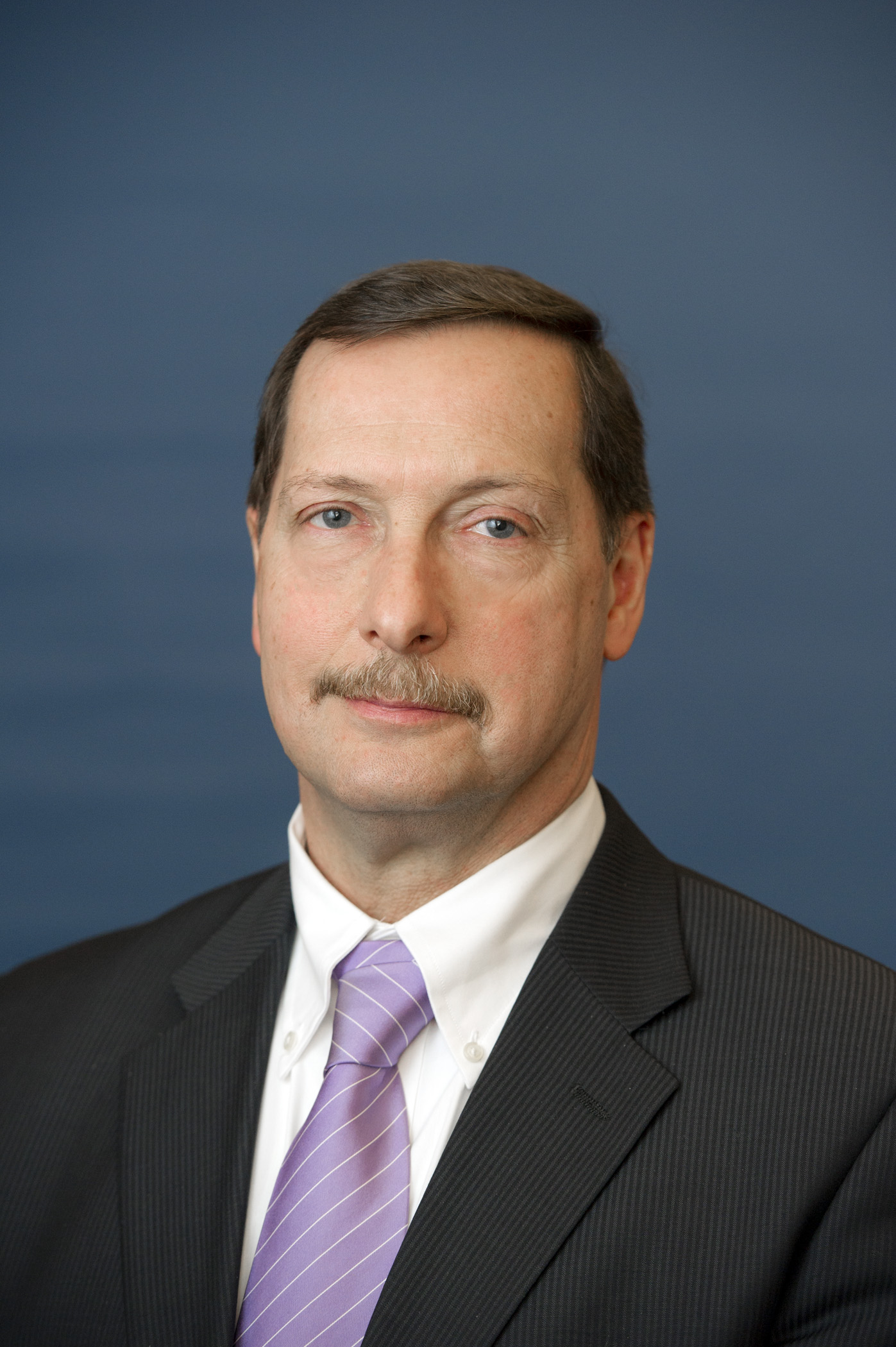
Alexey Arbatov is the head of the Center for International Security at the Primakov National Research Institute of World Economy and International Relations.
Vladimir Dvorkin
Major General Dvorkin (retired) is a chief researcher at the Center for International Security at the Institute of World Economy and International Relations.
Carnegie does not take institutional positions on public policy issues; the views represented herein are those of the author(s) and do not necessarily reflect the views of Carnegie, its staff, or its trustees.
In an interview, Sergei Melkonian discusses Armenia’s and Azerbaijan’s careful balancing act among the United States, Israel, and Iran.
Armenak Tokmajyan
Just look at Iraq in 1991.
Marwan Muasher
Baku may allow radical nationalists to publicly discuss “reunification” with Azeri Iranians, but the president and key officials prefer not to comment publicly on the protests in Iran.
Bashir Kitachaev
The country’s leadership is increasingly uneasy about multiple challenges from the Levant to the South Caucasus.
Armenak Tokmajyan
In an interview, Daniela Richterova speaks about her book on Czechoslovakia’s Cold War ties to Palestinian groups and others.
Michael Young