

In The Media
Martha Brill Olcott
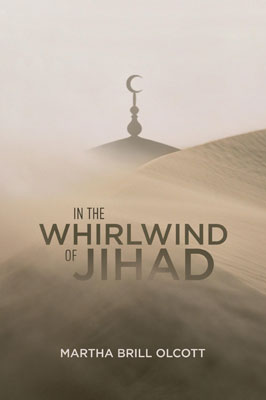
In Uzbekistan, Central Asia’s most populous country, Islam has been an ever-present factor in the lives of its people and a contentious force for political officials trying to build a secular government.
Source: Washington

In the Whirlwind of Jihad examines the intertwined and evolving relationships between religion, the state, and society in Uzbekistan from the late 1980s to today, encompassing the period from the collapse of the Soviet Union to the launch of the U.S.-led “war on terror” in neighboring Afghanistan. Martha Brill Olcott, the foremost expert on Central Asia, concludes that in an era of global communication and increased contact with international Islamic communities, a new role for Islam in Uzbekistan will ultimately emerge with implications beyond the country’s borders.

Former Senior Associate, Russia and Eurasia Program and, Co-director, al-Farabi Carnegie Program on Central Asia
Olcott is professor emerita at Colgate University, having taught political science there from 1974 to 2002. Prior to her work at the endowment, Olcott served as a special consultant to former secretary of state Lawrence Eagleburger.
Recent Work
Martha Brill Olcott
Martha Brill Olcott
Carnegie does not take institutional positions on public policy issues; the views represented herein are those of the author(s) and do not necessarily reflect the views of Carnegie, its staff, or its trustees.
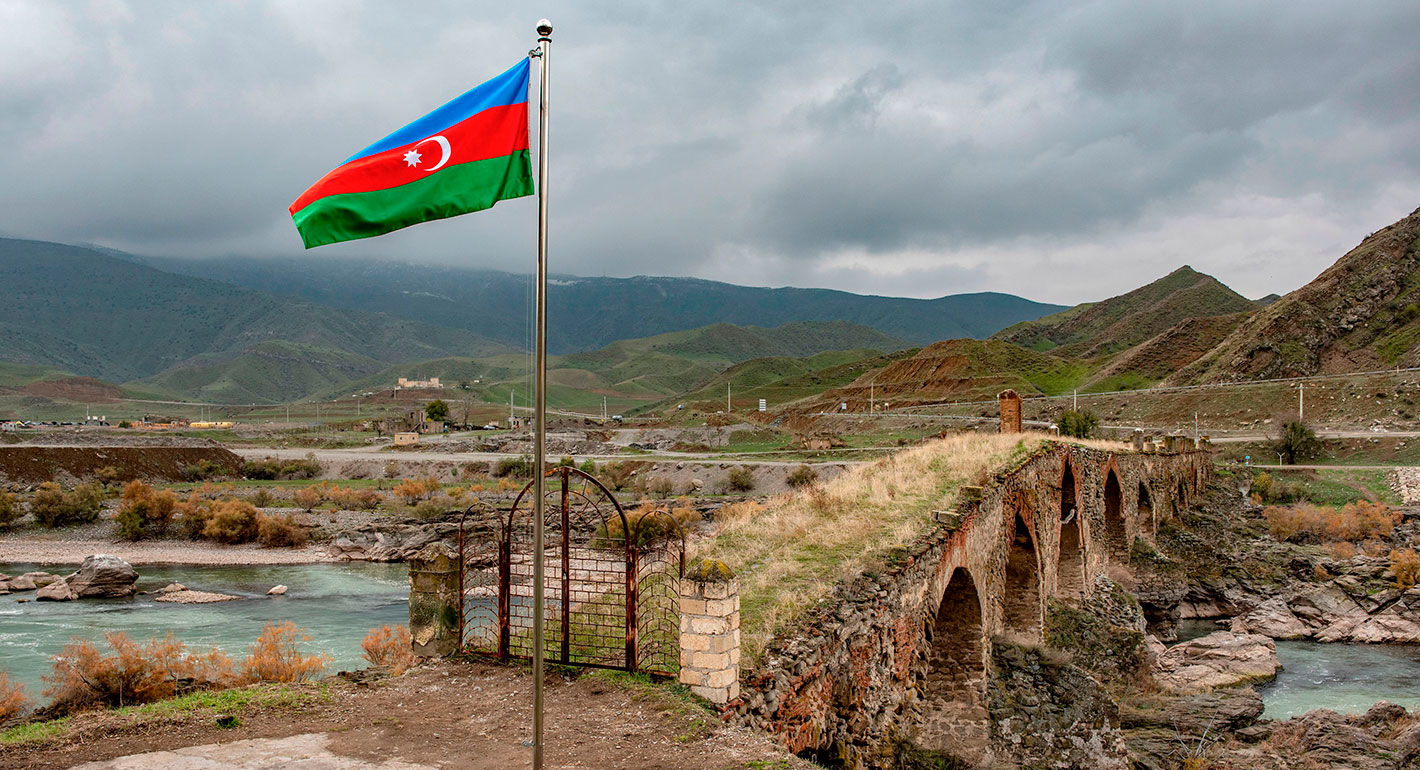
In an interview, Sergei Melkonian discusses Armenia’s and Azerbaijan’s careful balancing act among the United States, Israel, and Iran.

Armenak Tokmajyan

Just look at Iraq in 1991.

Marwan Muasher
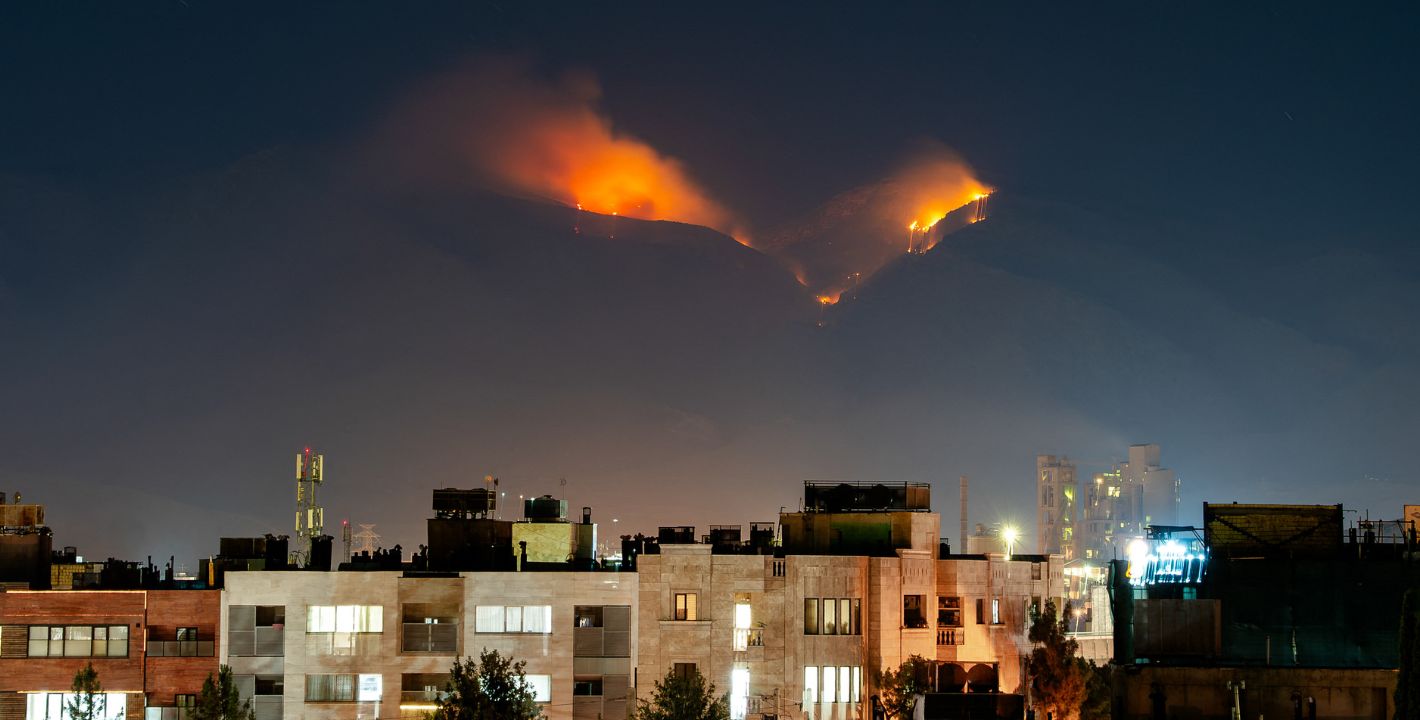
A coalition of states is seeking to avert a U.S. attack, and Israel is in the forefront of their mind.

Michael Young

Baku may allow radical nationalists to publicly discuss “reunification” with Azeri Iranians, but the president and key officials prefer not to comment publicly on the protests in Iran.

Bashir Kitachaev
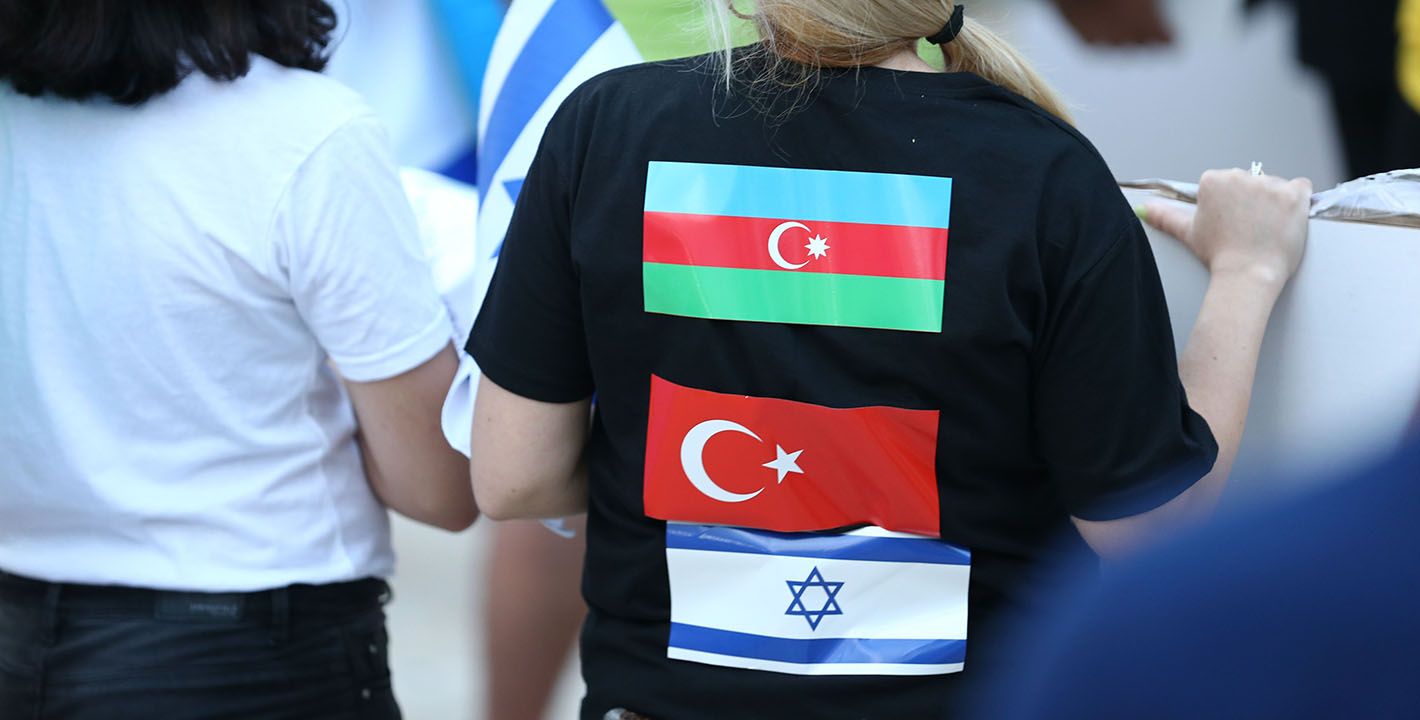
The country’s leadership is increasingly uneasy about multiple challenges from the Levant to the South Caucasus.
Armenak Tokmajyan