

Podcast Episode
James Acton gives 50% odds of an Iranian nuke in 3 years and tells U.S. negotiators what to prioritize.
Jon Bateman, James M. Acton
Sarah Chayes, Steve Coll, and Olarenwaju Suraju discussed how corruption can become an inextricable part of an economy and how civil society and the U.S. government can work to prevent it. (Runtime - 22:21)
The oil industry has long been an attractive target for corruption and corrupt actors. State owned oil companies have frequently been accused of being a conduit for syphoning off public funds into private bank accounts, despite repeated civil society efforts to fight these networks of corruption in countries like Brazil and Nigeria. Guest host Deborah Gordon is joined by Carnegie Senior Fellow Sarah Chayes, dean of Columbia University’s Graduate School of Journalism and author Steve Coll, and Nigerian anticorruption activist Olarenwaju Suraju to discuss how corruption can become an inextricable part of an economy and how civil society and the U.S. government can work to prevent it.
Steve Coll is dean of the Columbia University School of Journalism and a staff writer at the New Yorker. He is the author of a bestselling profile of ExxonMobil called Private Empire: ExxonMobil and American Power.
Olarenwaju Suraju is a Nigerian anticorruption and environmental activist, chair of that country’s Civil Society Network Against Corruption, and of the Human and Environmental Development Agenda.
Sarah Chayes is a senior fellow in Carnegie’s Democracy and Rule of Law Program, and co-author of “The Oil Curse: A Remedial Role for the Oil Industry.”
Carnegie does not take institutional positions on public policy issues; the views represented herein are those of the author(s) and do not necessarily reflect the views of Carnegie, its staff, or its trustees.
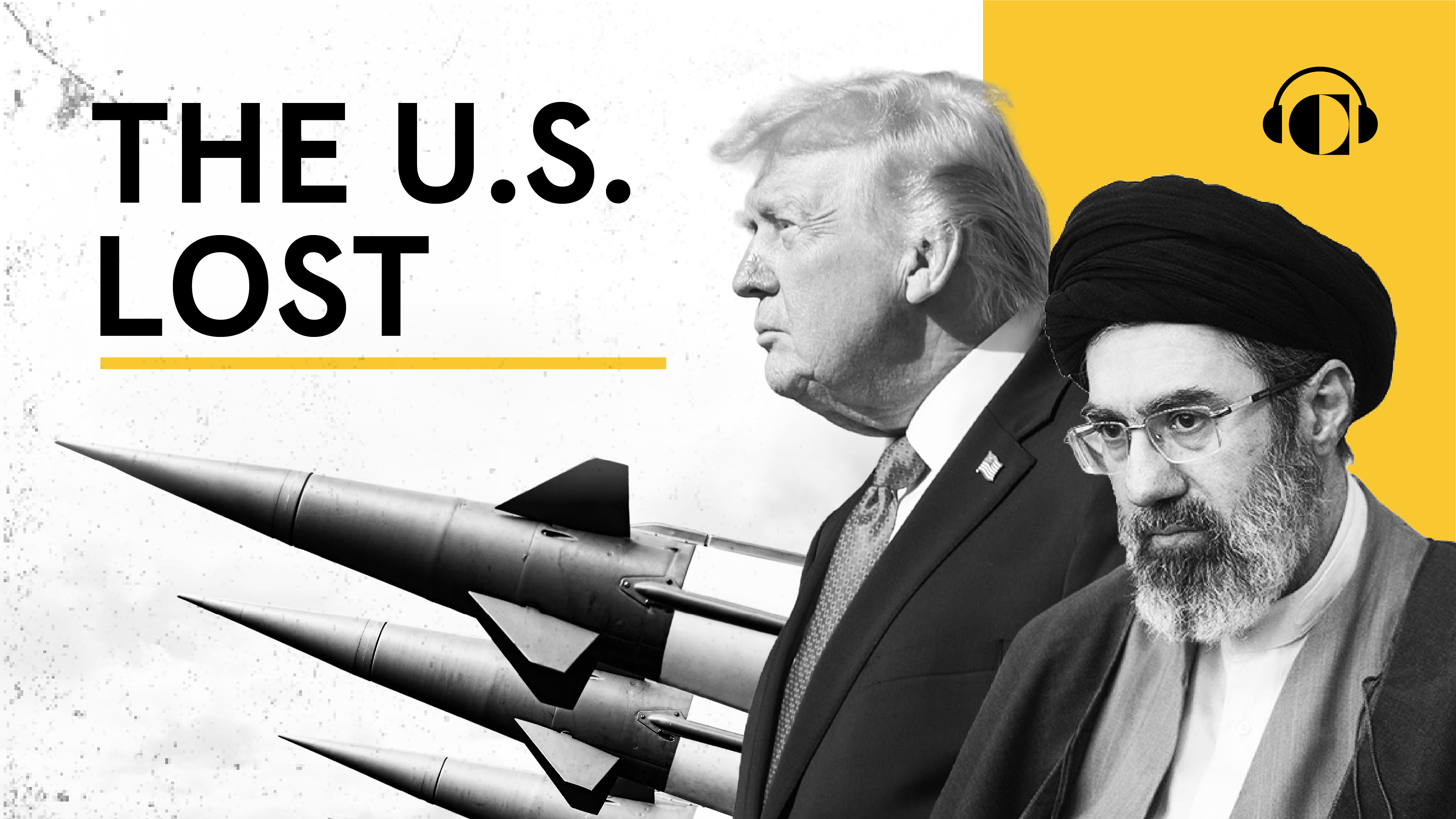
James Acton gives 50% odds of an Iranian nuke in 3 years and tells U.S. negotiators what to prioritize.

Jon Bateman, James M. Acton

A U.S.-China war over Taiwan would be catastrophic for all sides and the world. Preventing such a war requires understanding how it might unfold—from start to finish—including worst-case scenarios.
Jon Bateman, Charles Hooper

Marwan Muasher—a former foreign minister of Jordan and now a VP at the Carnegie Endowment for International Peace—joins The World Unpacked to make sense of a region in flux.

Jon Bateman, Marwan Muasher

Theo Baker is no ordinary college senior. His student newspaper articles brought down Stanford’s president. Now he’s written a book about the making of the young tech elite.

Jon Bateman, Theo Baker
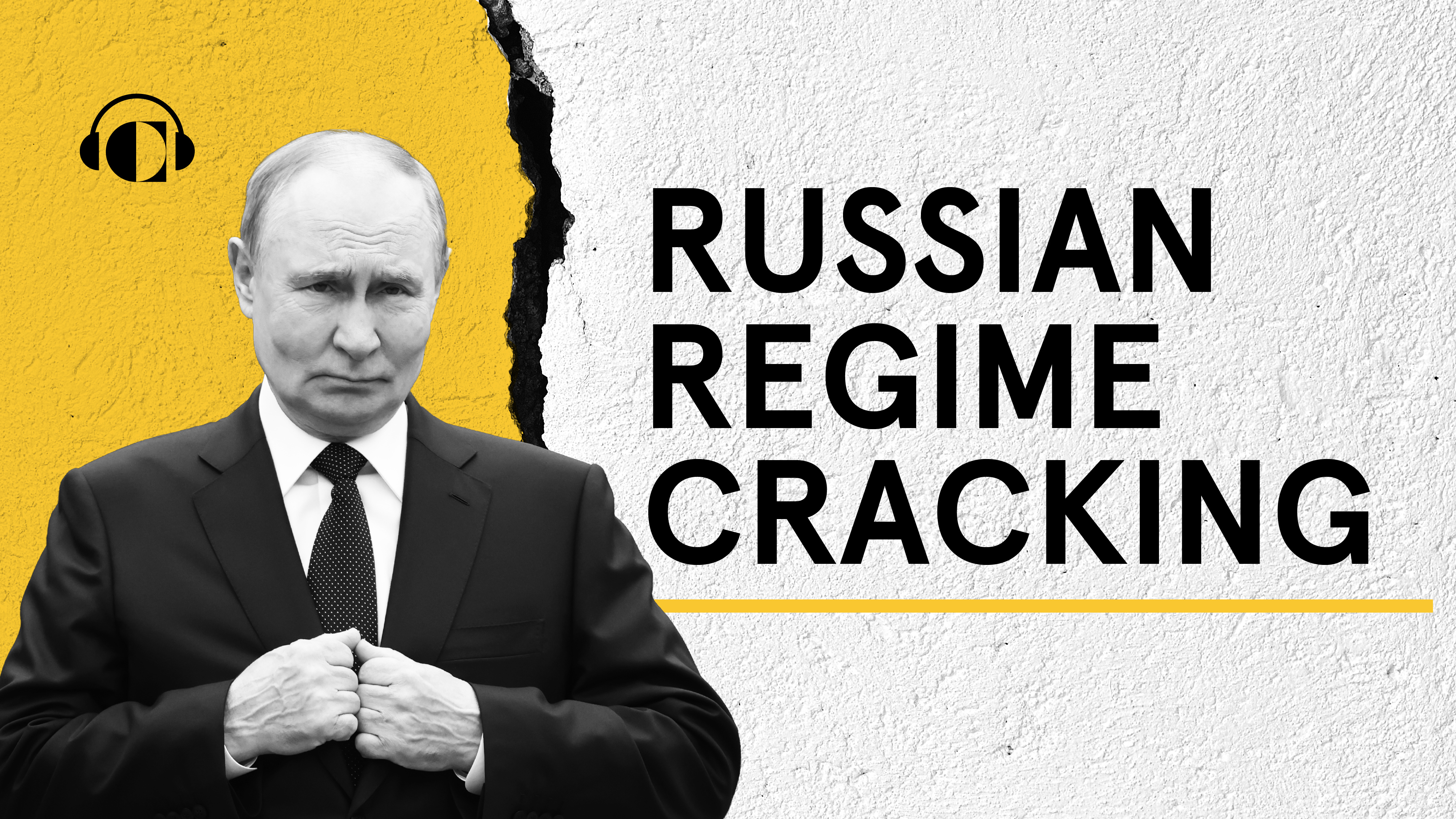
Alexandra Prokopenko, a former Moscow insider who quit over the Ukraine War, says that Vladimir Putin has lost focus on running the country. She joins Jon Bateman on The World Unpacked to explain the erosion of Russia’s social contract and share stories from her new book From Sovereigns to Servants: How the War Against Ukraine Reshaped Russia’s Elite.

Jon Bateman, Alexandra Prokopenko