

Podcast Episode
An ex-head of the Secret Service in his first-ever podcast on growing threats to U.S. leaders.
Jon Bateman, Ronald L. Rowe, Jr.
Julia Gurganus discusses the upcoming presidential election in Mexico, countries’ responses to external influence in the region, and the impact on U.S. policy in the region with Mark Feierstein, senior director for Western Hemisphere affairs on the National Security Council. (Runtime - 22:46)
What do recent and upcoming elections in Latin America reveal about the region’s changing political and economic landscape? Are the rise of populism and concerns about corruption having destabilizing effects that outside actors can exploit? Julia Gurganus, filling in for Jen Psaki, sat down in the DiploPod studio with Mark Feierstein, former special assistant to the president and senior director for Western Hemisphere affairs on the National Security Council. They discussed the upcoming presidential election in Mexico, outside influence in the region, and the impact on U.S. policy in the region.
Mark Feierstein is a senior advisor with the Albright Stonebridge Group’s Latin America practice, where he advises clients on entry and growth strategies throughout the region. Most recently, Feierstein served at the White House as special assistant to the president and senior director for Western Hemisphere Affairs on the National Security Council.
Julia Gurganus is a visiting scholar with the Russia and Eurasia Program at the Carnegie Endowment for International Peace. Her research focus is on trends in Russian foreign policy and Russia-U.S. relations.
Carnegie does not take institutional positions on public policy issues; the views represented herein are those of the author(s) and do not necessarily reflect the views of Carnegie, its staff, or its trustees.

An ex-head of the Secret Service in his first-ever podcast on growing threats to U.S. leaders.

Jon Bateman, Ronald L. Rowe, Jr.
Brian Merchant on the Industrial Revolution’s failures, how AI undercuts workers, and the social order of technology.
Jon Bateman, Brian Merchant

The missing context that shows how AI isn’t the resource hog everyone thinks it is – with Andy Masley.

Jon Bateman, Andy Masley
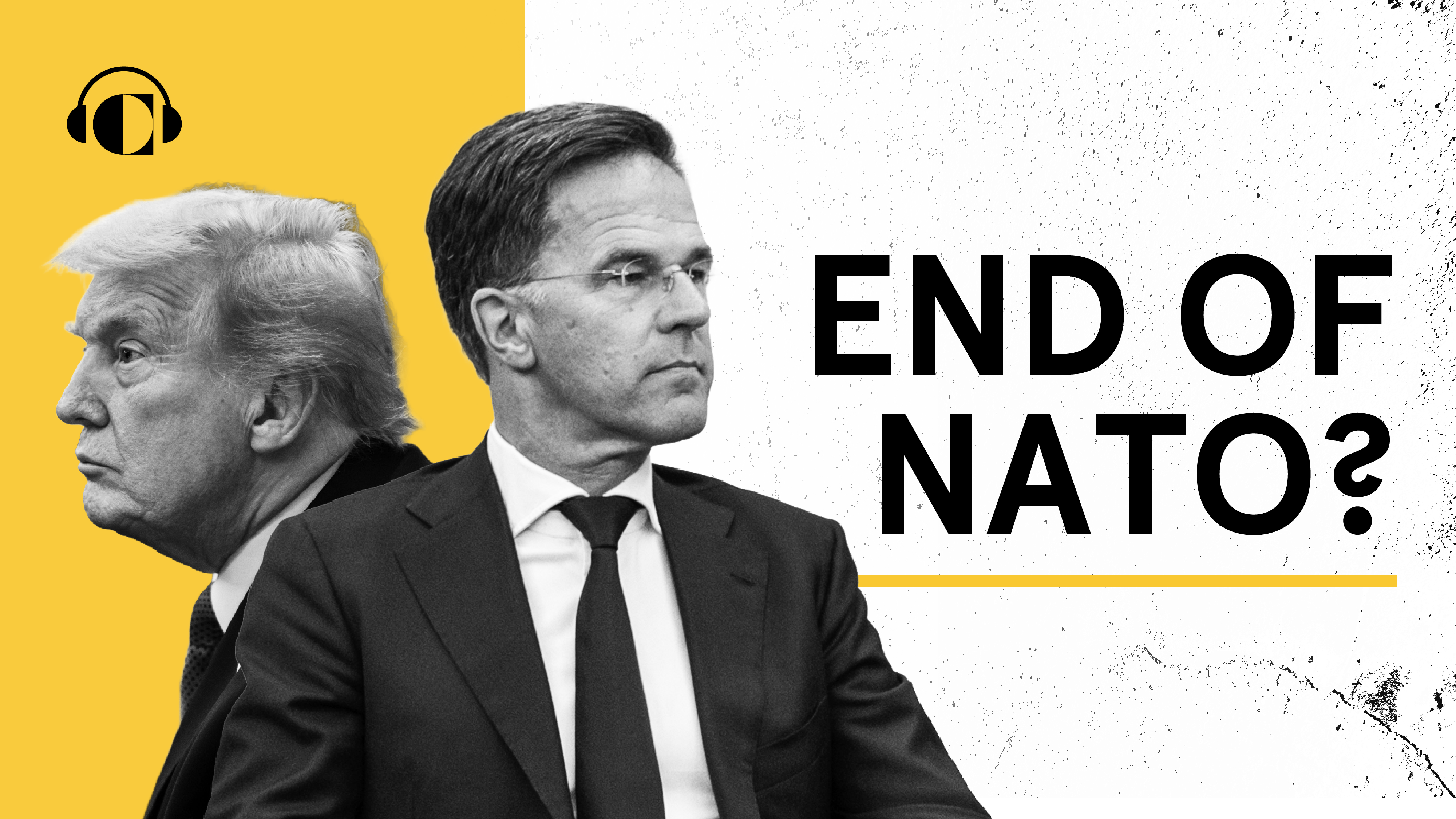
Sophia Besch games out NATO’s future, Baltic scenarios, German rearmament, and Europe’s next way of war.

Jon Bateman, Sophia Besch
James Acton gives 50% odds of an Iranian nuke in 3 years and tells U.S. negotiators what to prioritize.

Jon Bateman, James M. Acton