Brian Merchant on the Industrial Revolution’s failures, how AI undercuts workers, and the social order of technology.
Jon Bateman, Brian Merchant
Jen Psaki discussed with Frederic Wehrey what broke down in Libya post Qaddafi, the role of the United States and other international partners, and the future of Libya. (Runtime - 16:39)
Frederic Wehrey has a new book out this month—The Burning Shores, Inside the Battle for the New Libya. Based on nearly two years of reporting, it tells the stories of Libyan lives upended by turmoil, sheds new light on the country’s afflictions, and provides valuable lessons for the future. For the latest episode of DiploPod, Jen Psaki discussed with him what broke down in Libya post Qaddafi, the role of the United States and other international partners, and the future of Libya.
Carnegie does not take institutional positions on public policy issues; the views represented herein are those of the author(s) and do not necessarily reflect the views of Carnegie, its staff, or its trustees.
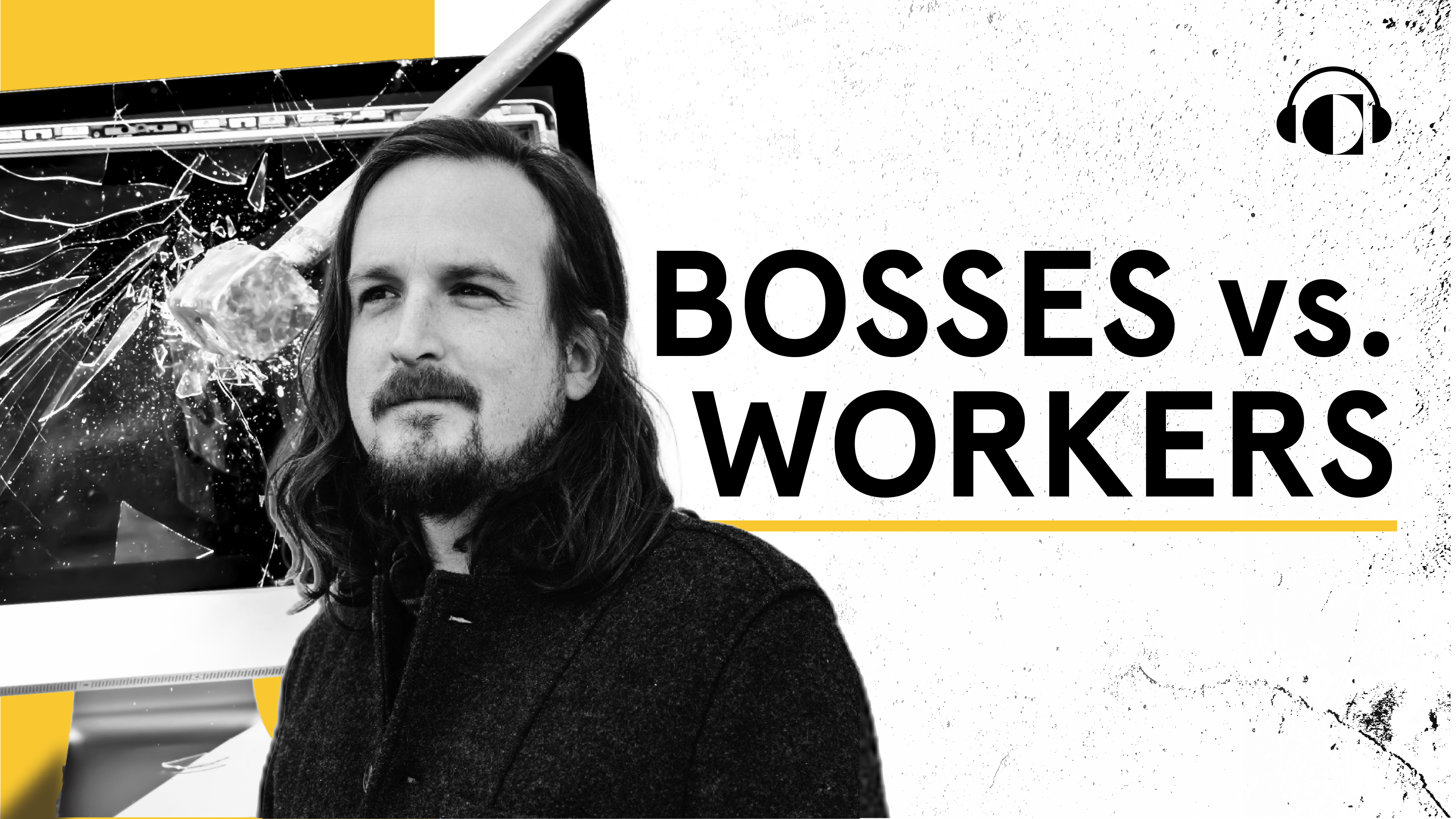
Brian Merchant on the Industrial Revolution’s failures, how AI undercuts workers, and the social order of technology.
Jon Bateman, Brian Merchant
The missing context that shows how AI isn’t the resource hog everyone thinks it is – with Andy Masley.
Jon Bateman, Andy Masley
Sophia Besch games out NATO’s future, Baltic scenarios, German rearmament, and Europe’s next way of war.
Jon Bateman, Sophia Besch
James Acton gives 50% odds of an Iranian nuke in 3 years and tells U.S. negotiators what to prioritize.
Jon Bateman, James M. Acton
A U.S.-China war over Taiwan would be catastrophic for all sides and the world. Preventing such a war requires understanding how it might unfold—from start to finish—including worst-case scenarios.
Jon Bateman, Charles Hooper