


Commentary
A summer of escalation in the Black Sea has hurt Ukraine economically and is exacerbating world food security. A truce is needed—as is a broader reframing of Europe’s Ukraine strategy.
Thomas de Waal
{
  "authors": [],
  "type": "other",
  "centerAffiliationAll": "",
  "centers": [
    "Carnegie Endowment for International Peace"
  ],
  "collections": [],
  "englishNewsletterAll": "",
  "nonEnglishNewsletterAll": "",
  "primaryCenter": "Carnegie Endowment for International Peace",
  "programAffiliation": "",
  "programs": [],
  "projects": [],
  "regions": [
    "North America"
  ],
  "topics": [
    "Trade"
  ]
}
REQUIRED IMAGE
Source: Carnegie
Growth with Equity InitiativeThe Dialogue has joined the Carnegie Endowment for International Peace in organizing a commission to identify and formulate policies to spur economic growth with equity in Latin America. The initiative ? co-chaired by Nancy Birdsall of Carnegie Endowment for International Peace and Augusto de la Torre of the World Bank? was launched in response to the region's mediocre growth and limited progress in reducing income inequality over the past decade. As a result of this initiative, a draft report has been prepared by Nancy Birdsall and Augusto de la Torre that suggests a new policy toolkit ? ten sets of equity tools or ideas on how governments could modify their policies and programs so as to give increased weight to poverty reduction and greater equity, without materially sacrificing economic efficiency and growth objectives. As the report argues, there is a greater consensus today than a decade ago on the logic of direct policy attacks on non-growth objectives like improved quality of life, reduced poverty, higher life expectancy and educational opportunities. This is not only because they are important ends in themselves but also because ? particularly in unequal Latin America ? they may be key to raising growth rates. To confront non-growth objectives, the authors propose action in the following areas: fiscal discipline, volatility, safety nets, tax systems, competition, education, labor markets, discrimination, land markets, and service delivery.
|
Carnegie Senior Associate Nancy Birdsall |
Commission members include Shahid Javed Burki of EMP Financial Advisors; Moisés Naím of Foreign Policy; Guillermo Perry and Eliana Cardoso of the World Bank; Carol Graham of the Brookings Institution; Ricardo Hausmann, Nora Lustig and Christian Gómez of the Inter-American Development Bank; Colin Bradford of American University; Roberto Dañino of Wilmer, Cutler & Pickering; Staci Warden of Carnegie; John Williamson of the Institute for International Economics; Kurt Weyland of the Woodrow Wilson Center; Peter Hakim and Jeffrey Puryear of the Dialogue. The report was first presented to Dialogue members at the Sol Linowitz Forum in June, and subsequently will be distributed to government officials and private sector leaders throughout the Americas. |
--------------------------------------------------------------------------------
Carnegie does not take institutional positions on public policy issues; the views represented herein are those of the author(s) and do not necessarily reflect the views of Carnegie, its staff, or its trustees.

A summer of escalation in the Black Sea has hurt Ukraine economically and is exacerbating world food security. A truce is needed—as is a broader reframing of Europe’s Ukraine strategy.

Thomas de Waal

The Bureau of Industry and Security needs to adjust its focus and practices to maintain its position as the U.S. government’s primary champion of international technological competition.

Geoffrey Irving

U.S. trading partners in Asia are closely watching the dispute for signs of how it may affect their own interests.

Barbara Weisel

Congress needs to step up and make EXIM a low-carbon financing powerhouse.
Jesse Young
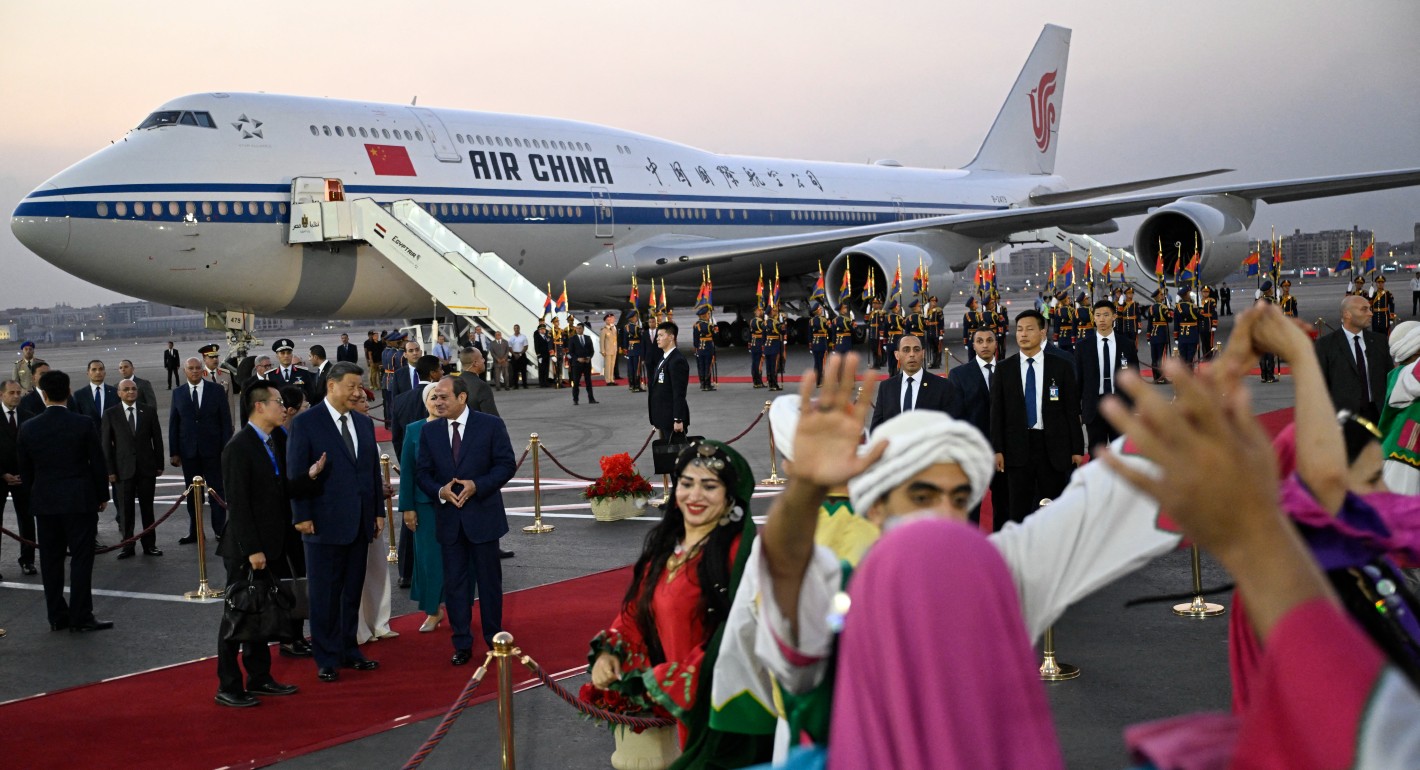
Amid celebrations of bilateral ties was a deeper focus on stability in the Middle East.

Amr Hamzawy