
• Research
  • Emissary
  • About
  • Experts
Carnegie Global logoCarnegie lettermark logo
Democracy
  • Donate
{
  "authors": [
    "Brett McGurk"
  ],
  "type": "legacyinthemedia",
  "centerAffiliationAll": "",
  "centers": [
    "Carnegie Endowment for International Peace"
  ],
  "collections": [],
  "englishNewsletterAll": "",
  "nonEnglishNewsletterAll": "",
  "primaryCenter": "Carnegie Endowment for International Peace",
  "programAffiliation": "",
  "programs": [],
  "projects": [],
  "regions": [],
  "topics": []
}
In The Media

The Cost of an Incoherent Foreign Policy

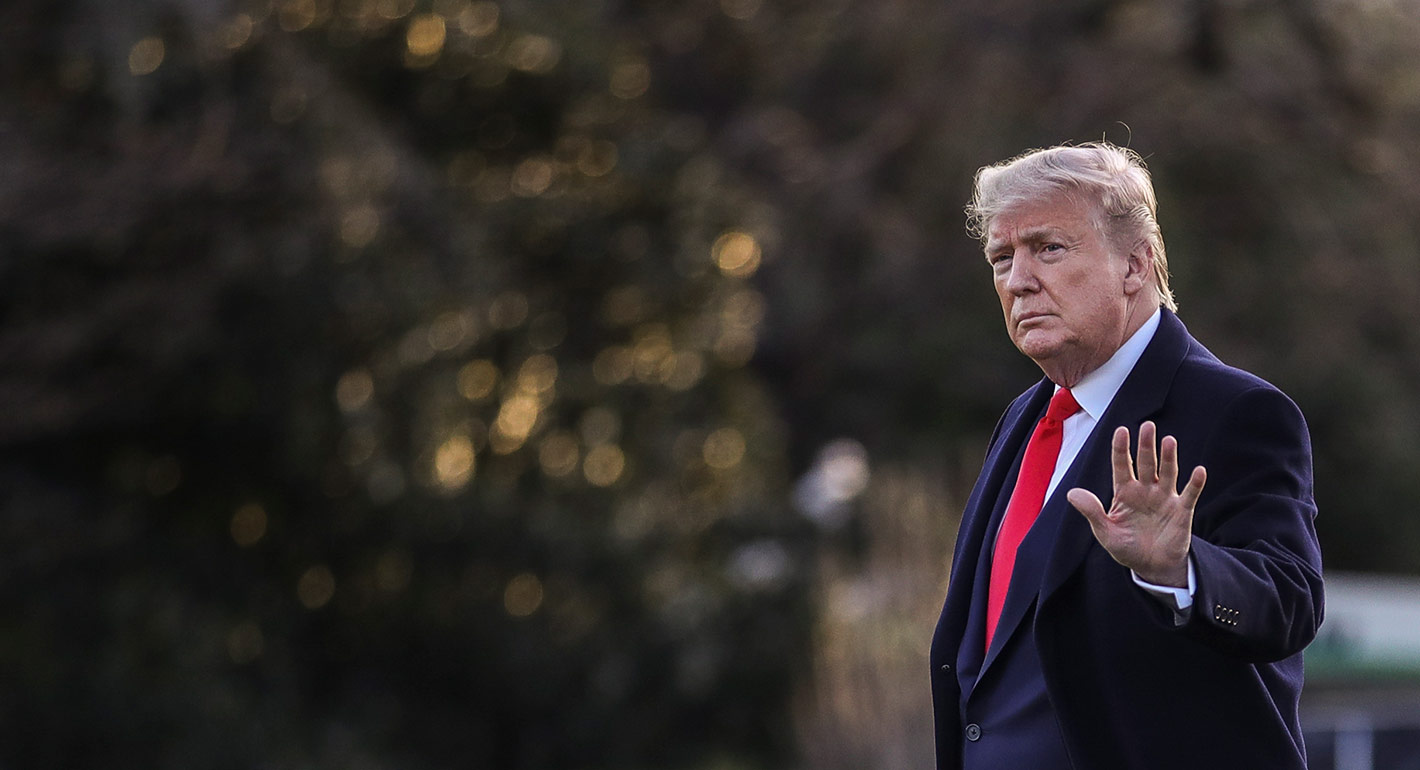
The Trump White House runs a foreign policy with irreconcilable objectives, no internal coherence, and no pretense of gaming out critical decisions before they are taken.

Link Copied
By Brett McGurk
Published on Jan 23, 2020

Source: Foreign Affairs

Shortly after taking office, U.S. President Dwight D. Eisenhower gathered senior advisers in the White House solarium to discuss policy toward the Soviet Union. In attendance was his hawkish secretary of state, John Foster Dulles, who had been a vocal critic of Harry Truman’s policy of containment and instead advocated an offensive policy whereby the United States would seek to “roll back” Soviet influence across Europe and Asia.

Afternoon light from the southern exposure would have contrasted with the darkening mood inside the White House. Diplomacy to end the Korean War was deadlocked. The United States was entering a nuclear arms race with the Soviet Union. Joseph Stalin was dead, but Eisenhower’s calls for dialogue with Moscow had gone unanswered. Defense spending seemed unsustainable.

Read Full Text

This article was originally published in Foreign Affairs.

Brett McGurk
Former Nonresident Senior Fellow, Middle East Program

Carnegie does not take institutional positions on public policy issues; the views represented herein are those of the author(s) and do not necessarily reflect the views of Carnegie, its staff, or its trustees.

More Work from Carnegie Endowment for International Peace

  • People on a stage
    Commentary
    Emissary
    The Dangerous Consequences of Treating Colombia Like Venezuela

    When democracies and autocracies are seen as interchangeable targets, the language of democracy becomes hollow, and the incentives for democratic governance erode.

      • Sarah Yerkes

      Sarah Yerkes, Amr Hamzawy

  • Workers of automotive manufacturer VW assemble pieces of a model in the Uitenhage plant.
    Paper
    Win-Win: The Potential and Prospects of German FDI in Supporting the Structural Transformation of African Economies

    German manufacturing firms in Africa add value, jobs, and skills, while benefiting from demand and a diversification of trade and investment partners. It is in the interest of both African economies and Germany to deepen economic relations. 

      Hannah Grupp, Paul M. Lubeck

  • Commentary
    Carnegie Politika
    Has Trump the Destroyer Eclipsed Putin the Destroyer?

    Unexpectedly, Trump’s America appears to have replaced Putin’s Russia’s as the world’s biggest disruptor.

      Alexander Baunov

  • Soldier looking at a drone on the ground
    Commentary
    Emissary
    Are All Wars Now Drone Wars?

    From Sudan to Ukraine, UAVs have upended warfighting tactics and become one of the most destructive weapons of conflict.

      • Jon Bateman

      Jon Bateman, Steve Feldstein

  • Carney speaking on stage
    Commentary
    Emissary
    Carney’s Remarkable Message to Middle Powers

    And how they can respond.

      • +1

      Sophia Besch, Steve Feldstein, Stewart Patrick, …

Get more news and analysis from
Carnegie Endowment for International Peace
Carnegie global logo, stacked
1779 Massachusetts Avenue NWWashington, DC, 20036-2103Phone: 202 483 7600Fax: 202 483 1840
  • Research
  • Emissary
  • About
  • Experts
  • Donate
  • Programs
  • Events
  • Blogs
  • Podcasts
  • Contact
  • Annual Reports
  • Careers
  • Privacy
  • For Media
  • Government Resources
Get more news and analysis from
Carnegie Endowment for International Peace
© 2026 Carnegie Endowment for International Peace. All rights reserved.