

Commentary
- +11
Cornelius Adebahr, Dan Baer, Rosa Balfour, …
{
  "authors": [
    "Erik Brattberg"
  ],
  "type": "commentary",
  "centerAffiliationAll": "",
  "centers": [
    "Carnegie Endowment for International Peace"
  ],
  "collections": [
    "Coronavirus"
  ],
  "englishNewsletterAll": "",
  "nonEnglishNewsletterAll": "",
  "primaryCenter": "Carnegie Endowment for International Peace",
  "programAffiliation": "",
  "programs": [],
  "projects": [],
  "regions": [],
  "topics": []
}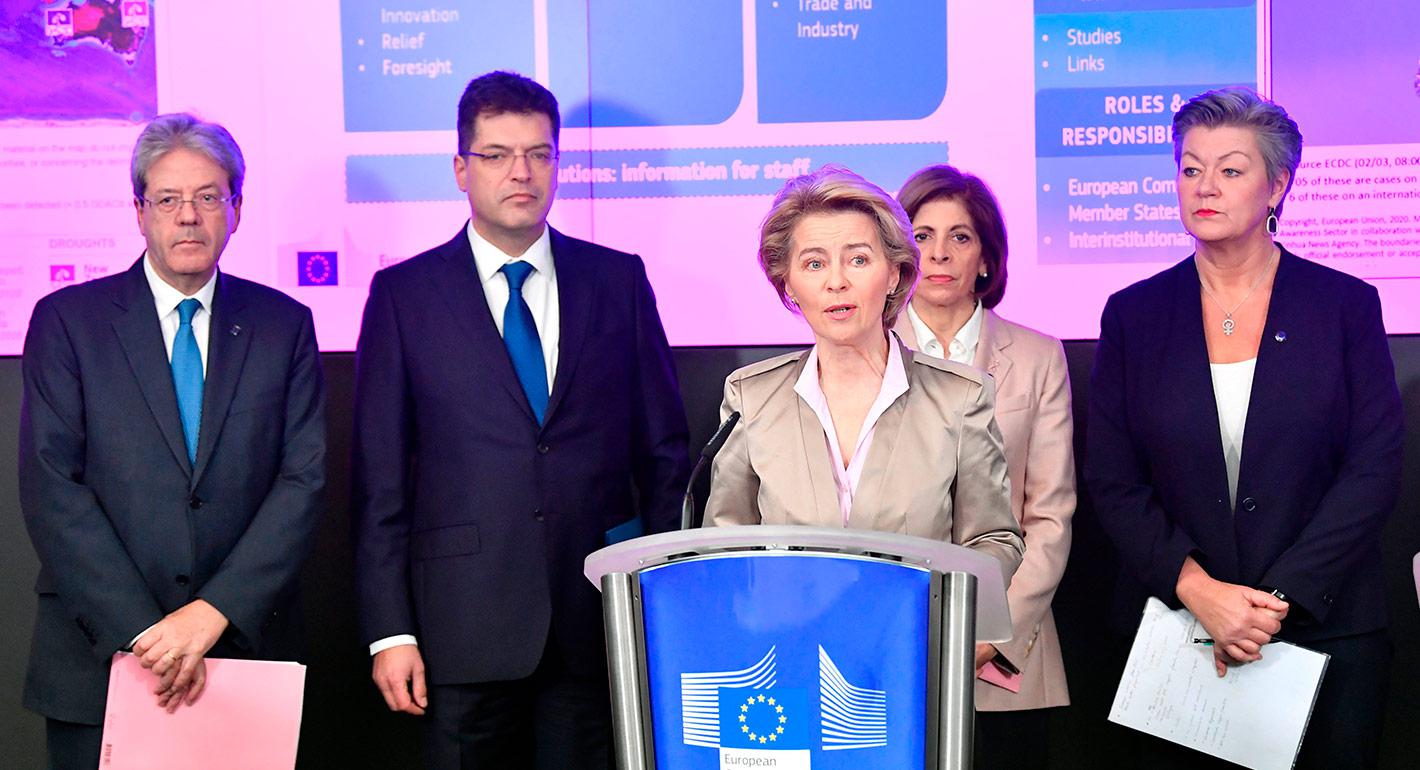
Source: Getty
A coordinated series of public health and economic interventions are belatedly coming together, in a poor testament to European unity.
With nearly 71,000 cases of the disease caused by the novel coronavirus as of March 18, Europe is the new epicenter of the global pandemic, according to the World Health Organization. Worst hit is Italy, but France, Germany, and Spain appear to be on troublingly similar trajectories.
Unfortunately, the EU has yet to mount a coordinated response equal to the scale of the crisis, though initial steps are now being taken. Unless Europe can act together, member states’ disjointed efforts could reopen old wounds of nationalism and undermine political and economic stability on the continent.
As long as member states resort to unilateral measures, a common European response will remain elusive. European governments have haphazardly and inconsistently rushed to shut their borders and restrict travel, after little or no consultation with their neighbors.
Some countries, including France, Italy, and Spain, have enacted nationwide lockdowns. In a televised address on March 15, French President Emmanuel Macron went so far as to declare a nationwide war on the virus. Many leaders have also declared states of emergency.
Meanwhile, some other countries—notably, the Netherlands, Sweden, and the UK—have kept shops and schools open, preferring a strategy of seeking to achieve herd immunity and thereby protecting against future waves of the virus (though the UK now appears to be moving toward a more stringent approach).
The apparent lack of solidarity among member states makes EU unity impossible. After bearing the brunt of the European debt and migration crises for years, Italy is now essentially being left to fend for itself during what is considered its greatest trial since World War II. When the virus eventually subsides, Italians will remember who did and who did not come to their rescue at this time of need.
Though public health is mainly a national responsibility, the EU response has been remarkably lackluster. The coronavirus barely featured in European Commission President Ursula von der Leyen’s March 9 press conference that took stock of her first one hundred days in office.
However, the EU has since pledged to boost funding for health research and development and provide 80 million euros ($88 million) to a German vaccine manufacturer. On March 16, the European Commission announced it would temporarily restrict travel to the entire Schengen Area in an apparent effort to deliver much-needed coherence to the EU internal market. The EU will also provide financial assistance to struggling small and medium-sized companies.
More ambitious EU responses depend on the governments of member states. For example, eurozone finance ministers are still dragging their feet on whether to expand fiscal bailout funds to help its hardest-hit members. Moreover, recent signals from German Chancellor Angela Merkel in favor of a joint European debt issuance scheme are positive but have yet to pan out.
It is hard to predict the political fallout of the coronavirus pandemic. The European economy was in a slowdown before the outbreak and is now likely to enter a full-scale recession. The European debt crisis has already been a major contributor to the rise of populism over the past decade—an ill omen for future political moderation and stability. Nationalist governments in Hungary and elsewhere have even blamed foreigners and migration for the virus.
The best hope is for European leaders to seize the moment and scale up their efforts to meet one of the most serious challenges the continent has faced in many decades. Their success will have a major bearing on the long-term trajectory of the so-called European project. Given these high stakes, they must put aside national differences and petty grievances in favor of determination and solidarity.

Former Director, Europe Program, Fellow
Erik Brattberg was director of the Europe Program and a fellow at the Carnegie Endowment for International Peace in Washington. He is an expert on European politics and security and transatlantic relations.
Recent Work



Cornelius Adebahr, Dan Baer, Rosa Balfour, …

Erik Brattberg, Philippe Le Corre, Paul Stronski, …
Carnegie does not take institutional positions on public policy issues; the views represented herein are those of the author(s) and do not necessarily reflect the views of Carnegie, its staff, or its trustees.
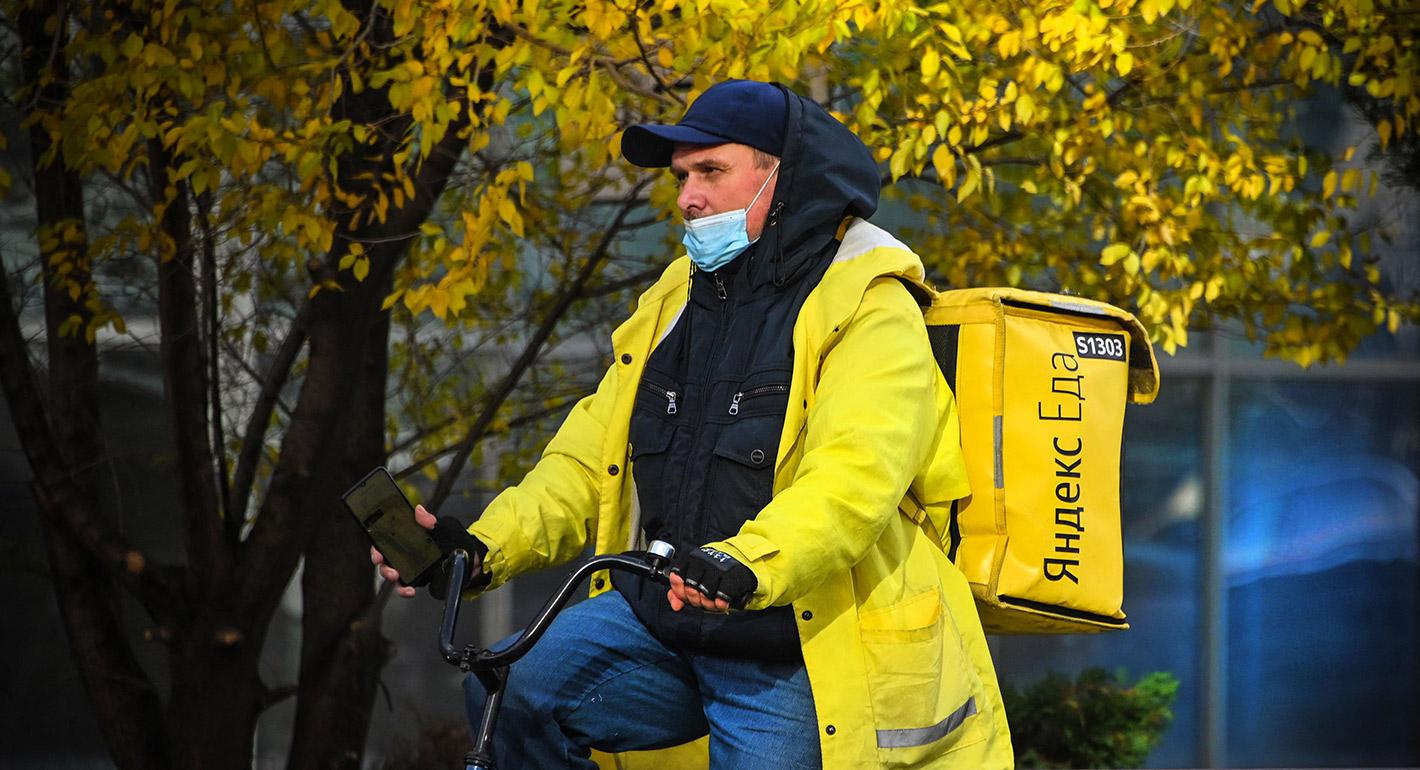
As Russia weathers a fourth surge of COVID-19 cases, the country’s management of the public health challenge has yet to improve. What factors led the country here, and what does this mean for the Putin regime and the Russian people going forward?
Paul Stronski
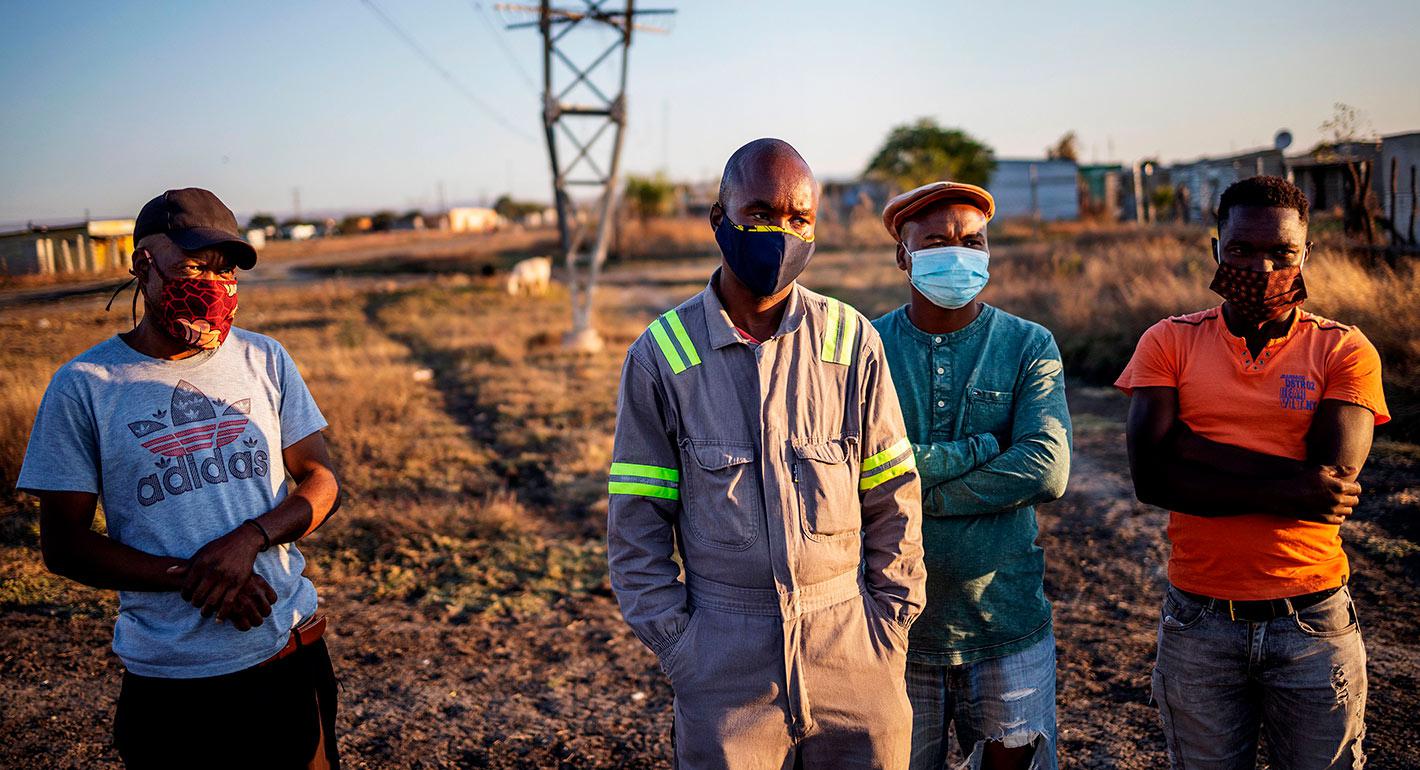
Civil society groups are simultaneously responding to the pandemic’s direct impacts and looking to a post-pandemic future. Many economic, political, and geostrategic challenges are shaping their thinking and their strategies.
Carnegie Civic Research Network
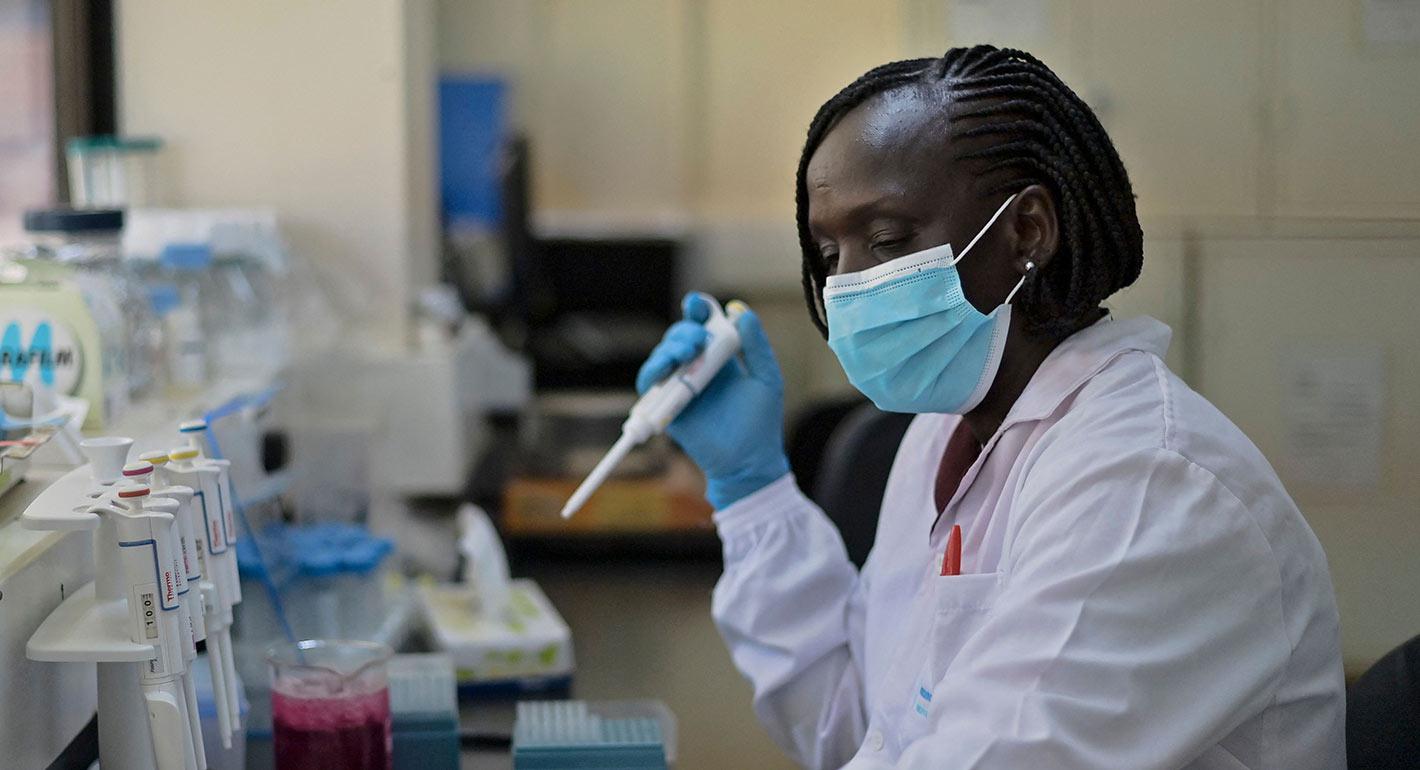
Efforts are being made to ramp up production of COVID-19 vaccines in Africa to address the continent’s low rate of vaccination. As of September 2021, there are at least twelve COVID-19 production facilities set up or in the pipeline across six African countries.

Zainab Usman, Juliette Ovadia
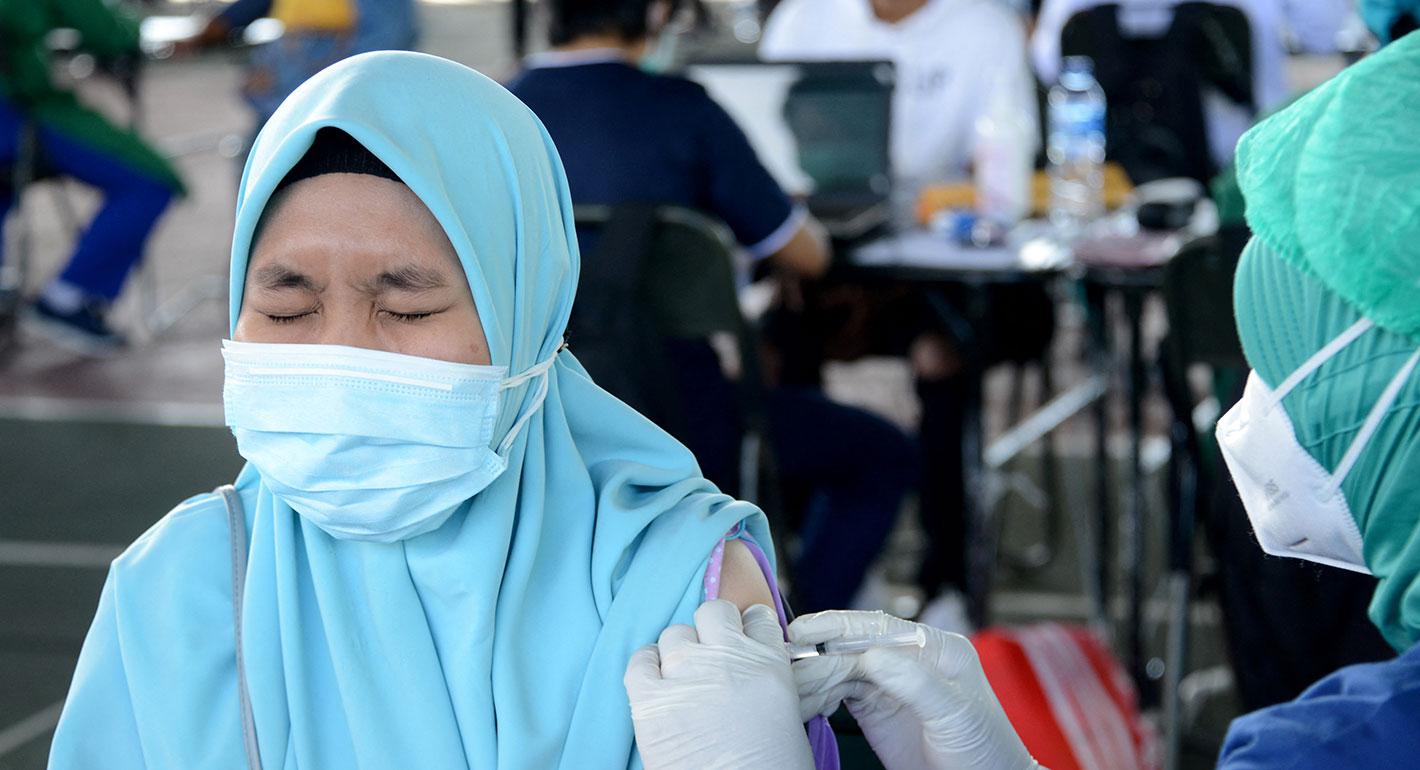
As Indonesia reels under staggering rates of COVID-19, an ambitious mass inoculation drive offers hope. But limited access to effective vaccines is trapping the Asian giant in an impossible choice between saving lives and livelihoods.

Sana Jaffrey
Russian scientists rolled out the country’s COVID-19 vaccine last summer, beating Western vaccine producers to the finish line. But scarce data, broken promises, and corruption have led the vaccine to lose its luster.
Grace Kier, Paul Stronski