

Commentary
Temur Umarov
{
  "authors": [
    "Temur Umarov"
  ],
  "type": "commentary",
  "blog": "Carnegie Politika",
  "centerAffiliationAll": "dc",
  "centers": [
    "Carnegie Endowment for International Peace",
    "Carnegie Russia Eurasia Center"
  ],
  "collections": [],
  "englishNewsletterAll": "ctw",
  "nonEnglishNewsletterAll": "",
  "primaryCenter": "Carnegie Russia Eurasia Center",
  "programAffiliation": "russia",
  "programs": [
    "Russia and Eurasia"
  ],
  "projects": [],
  "regions": [
    "Central Asia",
    "Kazakhstan",
    "Russia"
  ],
  "topics": [
    "Economy"
  ]
}
Source: Getty
A social media post by former Russian president Dmitry Medvedev warning that northern Kazakhstan could be next in line after Ukraine was quickly taken down, but it reflects the mindset of Russian hawks and is entirely in keeping with Russian political dialogue, where few taboos remain.
Kazakhstan is generally regarded as Russia’s closest ally after Belarus, so Moscow could have been forgiven for expecting some kind of support for its war with Ukraine from the Central Asian country. After all, Kazakhstan has always participated in all of Russia’s integration projects, including the Collective Security Treaty Organization (CSTO), where Kazakhstan cooperates with Russia on defense. Additionally, it was largely thanks to the Kremlin that Kazakh President Kassym-Jomart Tokayev retained power in January when the country was rocked by political disturbances and violent clashes.
Since the outbreak of war in Ukraine, however, many in Russia have regarded Kazakhstan’s actions as being unworthy of an ally. It has adhered to Western sanctions against Russia, and in an appearance at the St. Petersburg International Economic Forum in June, in the presence of President Vladimir Putin, Tokayev stated that Kazakhstan would not be recognizing the self-proclaimed Donetsk and Luhansk “people’s republics.”
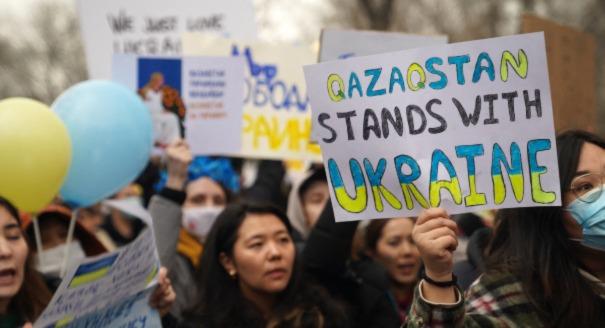
Kazakhstan’s defiant rhetoric has been backed up by action, with Kazakh authorities sending humanitarian aid to Ukraine and maintaining contact with Ukrainian President Volodymyr Zelensky. Russian military propaganda symbols have been banned in public places in Kazakhstan; the May 9 Victory Day parade was canceled; and official approval was even given for an anti-war rally in Almaty. When Kazakh oil being shipped through Russia ran into unexpected difficulties, therefore, many wondered if this was Russia exacting its revenge.
Against this backdrop, it’s not surprising that a hastily deleted post by former president—and now deputy chair of the Security Council—Dmitry Medvedev suggesting that after Ukraine, Moscow might turn its attention to the fate of northern Kazakhstan, was taken at face value by many people. But could Russia really enter into conflict with another of its neighbors?
Kazakhstan has made political gestures in the past that have displeased Moscow, but they never prevented close cooperation between the two countries. Now, however, economic differences appear to have emerged, with the Kazakh side in no rush to help Russian companies bypass Western sanctions, opposing legalizing parallel imports and preventing Russian and Belarusian truckers from bringing in goods from Europe. In a move that is unlikely to be warmly received in Moscow, Kazakhstan is also giving a warm welcome to companies that are leaving Russia.
Russia certainly has a variety of ways in which it can remind Kazakhstan of the price it will pay for worsening relations. It could cut off Kazakhstan’s main source of income: its lucrative oil exports. The oil and gas sector accounts for over 40 percent of the Kazakh state’s revenues, and 80 percent of its oil exports pass through Russian territory via the Caspian Pipeline Consortium (CPC), of which Russia is the largest stakeholder (31 percent). There are other possible export routes—via the port in Baku, by pipeline to China, or by rail to Uzbekistan—but they can’t match the CPC in terms of volume, price, or speed of delivery.
By cutting off this key source of income for Kazakhstan, Moscow could also put pressure on the Central Asian state’s main customer, the European Union, demonstrating that a rejection of Russian oil would come with an additional loss for the EU of upwards of a million barrels of Kazakh oil a day. It’s possible that this was the veiled threat being sent when Russia twice—in mid-June and early July—brought the CPC’s operation to a standstill, citing technical issues. Both incidents followed statements from Tokayev that would have done little to please Moscow: one on Kazakhstan’s intention to observe anti-Russian sanctions, and the other on the country’s readiness to help stabilize the situation on Europe’s energy markets. Both stoppages were short-lived, but could have led to emergencies at Kazakh enterprises with continuous production cycles.
Oil exports are by no means the only Kazakh pressure point that the Russians could exploit. Kazakhstan is critically reliant on imports from Russia for a range of food items, notably cooking oil, sugar, and milk. Russia is also a key source of petrochemicals, iron, and fertilizer for Kazakhstan, as well as imported car parts. Overall, Russia accounts for a fifth of Kazakhstan’s total external trade, while over half of Kazakhstan’s cargo flows pass through Russia. Again, alternative routes—to Europe via the Southern Caucasus, to the south through Uzbekistan and Turkmenistan, or by rail to China—are far more expensive.
How the situation will develop is a matter of some debate. Following the invasion of Ukraine, almost anything in Russian foreign policy seems possible, and rational criteria cannot be relied upon to predict Moscow’s actions.
It is unlikely, however, that Russia was counting on a great deal of support from Kazakhstan as it prepared its invasion. It’s also unlikely that Moscow would put up with direct criticism, but Kazakhstan hasn’t yet crossed that line, so Russian-Kazakh relations have not undergone a fundamental change.
In Central Asia in general, Russia’s main priority has always been to reinforce friendly political regimes. Putting pressure on Kazakhstan now—throttling it economically, forcing it to support the war, and demanding a break with the West—would weaken the current leadership, which hasn’t yet fully recovered from the upheaval of January.
Meanwhile, Tokayev’s readiness to publicly stand up to Moscow has only reinforced his position in Kazakh society. People are beginning to see him as an independent politician who is no longer reliant on his predecessor Nursultan Nazarbayev, or on Putin. If the Kremlin attempts to force Tokayev to retreat from his position, it risks provoking a new wave of public discontent in Kazakhstan which, in turn, will impact the economic issues that have yet to be resolved.
For now, Moscow appears keen to give the impression that Ukraine only has itself to blame and that it’s business as usual for Russia’s other neighbors and allies. Now that Russia is isolated from the West, it needs to demonstrate it has good relations elsewhere, not least in Central Asia. No surprise, then, that Medvedev’s post caused so much concern. Although the text was later removed and its authenticity denied, it reflected the expectations of the hawks in Russian society and is entirely in keeping with the current political dialogue within Russia, where hardly anything is taboo. Similar criticisms of Kazakhstan are regularly heard from Russian officials, not to mention the extremes reached by non-officials.
The key factor here, though, is that Medvedev’s post simply transferred the same logic that it is applying to Ukraine to its relations with Kazakhstan. If the Kremlin sees that logic as being sufficient to justify a military invasion, what is to stop it doing the same in other former Soviet republics? For now, Moscow sees Kazakhstan as a friendly regime, but Russia’s criteria for friendship are becoming ever more amorphous.
The regimes of Russia, Belarus, and Kazakhstan are closely intertwined, but Kazakhstan is now seeking its own path forward with a renewed leadership, a freer market economy, and an absence of hostilities with the West. As time goes on, Russia and Kazakhstan’s trajectories will become increasingly divergent, creating new sources of tension between them. As a result, there are now serious doubts that Moscow, with its varied arsenal for putting pressure on Kazakhstan, will be willing to let this ally go its own way without retribution.

Fellow, Carnegie Russia Eurasia Center
Temur Umarov is an expert on China and Central Asia, and a fellow at the Carnegie Russia Eurasia Center.
Recent Work
Temur Umarov

Alexander Gabuev, Temur Umarov
Carnegie does not take institutional positions on public policy issues; the views represented herein are those of the author(s) and do not necessarily reflect the views of Carnegie, its staff, or its trustees.

The prospect of a total block on Russia’s most popular messaging app has sparked disagreement between the regime’s political managers and its security agencies.

Andrey Pertsev
Not only does the fighting jeopardize regional security, it undermines Russian attempts to promote alternatives to the Western-dominated world order.
Ruslan Suleymanov
The future trajectory of the U.S.-Iran war remains uncertain, but its impact on global energy trade flows and ties will be far-reaching. Moscow is likely to become a key beneficiary of these changes; the crisis in the Gulf also strengthens Russia’s hand in its relationships with China and India, where advantages might prove more durable.

Sergey Vakulenko
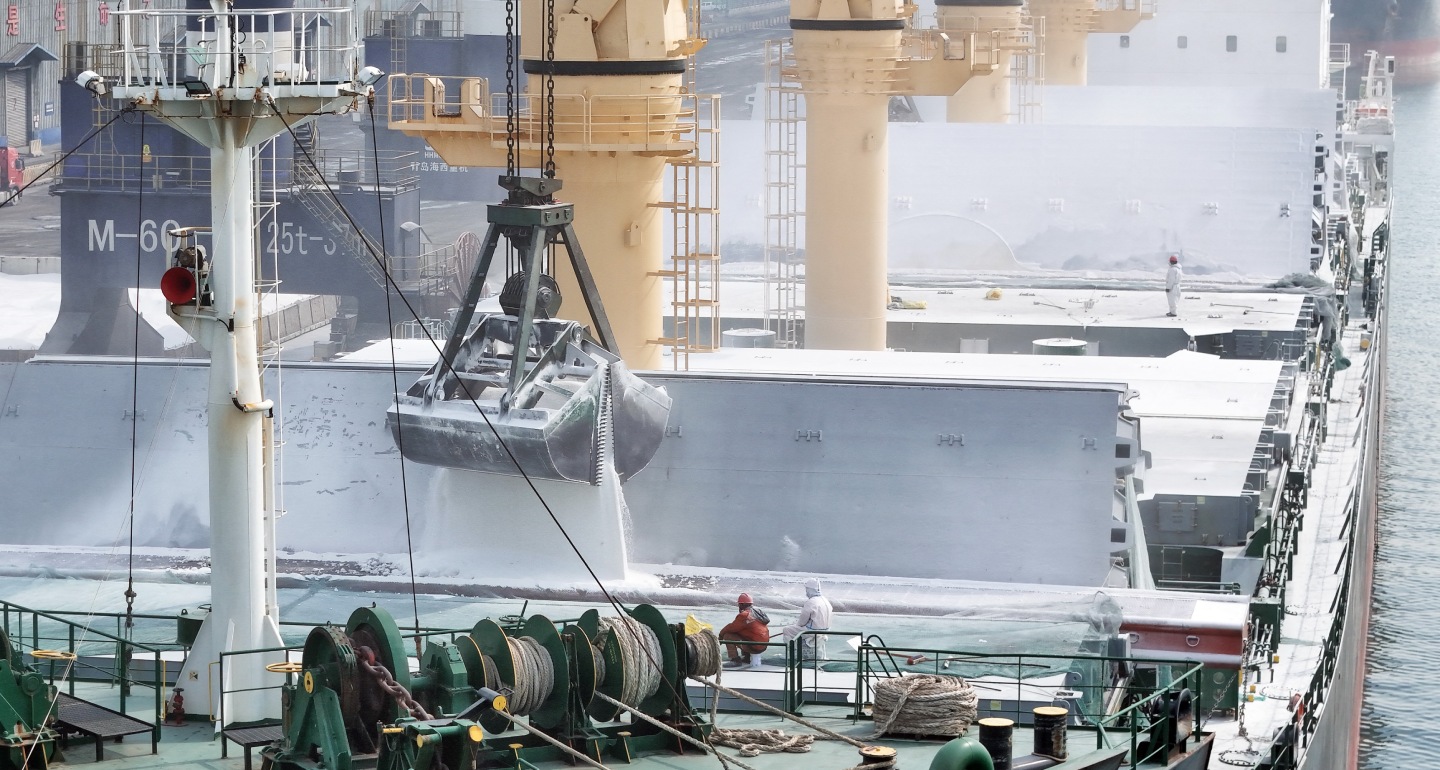
The Kremlin expects to not only profit from rising fertilizer prices but also exact revenge for the collapse of the 2023 grain deal.
Alexandra Prokopenko
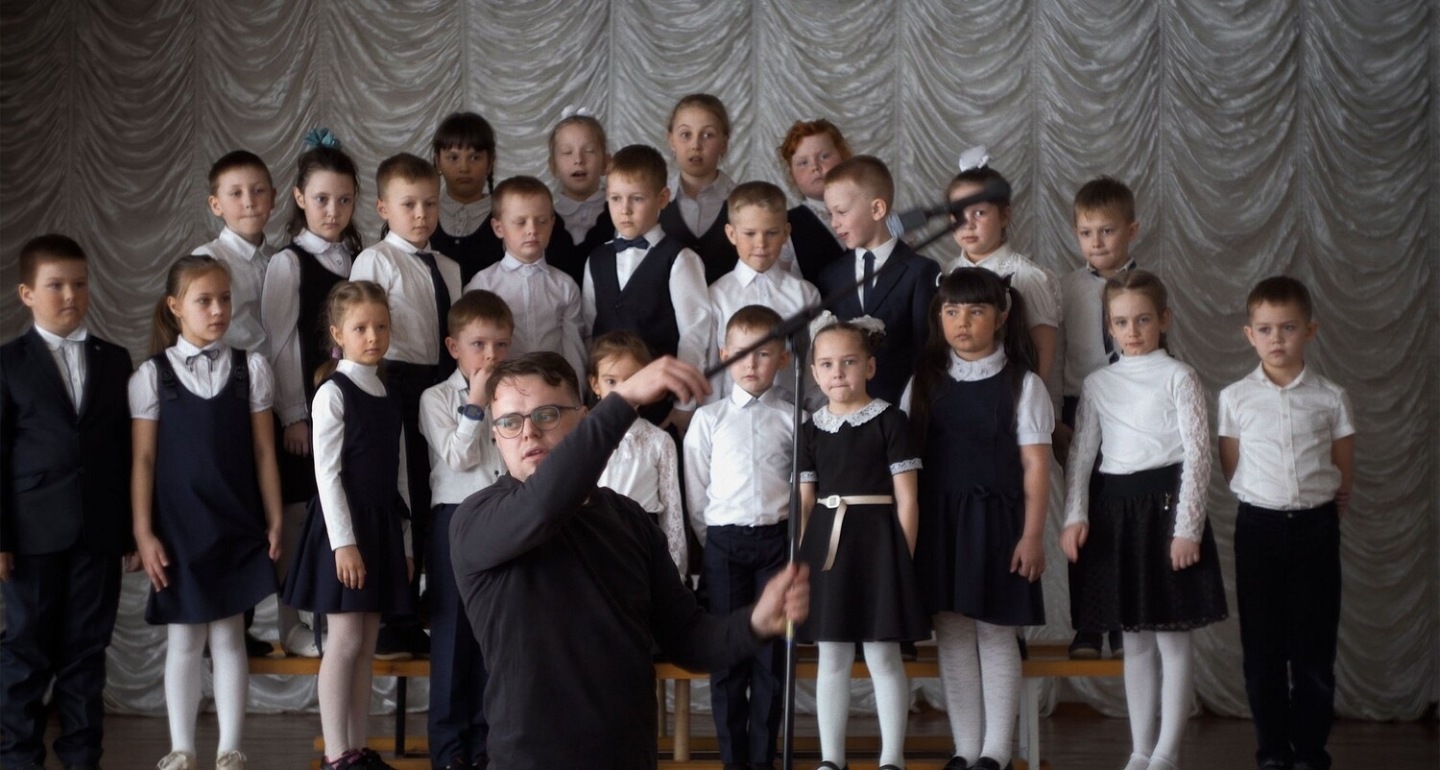
Talankin and Borenstein’s documentary is a unique inside look at a regime that threatens the world and has killed thousands of people in its neighboring country. And many critics and general viewers alike draw parallels between the Putin regime and their own governments.

Ekaterina Barabash