

Комментарий
Александра Прокопенко
{
  "authors": [
    "Александра Прокопенко"
  ],
  "type": "commentary",
  "blog": "Carnegie Politika",
  "centerAffiliationAll": "dc",
  "centers": [
    "Carnegie Endowment for International Peace",
    "Берлинский центр Карнеги"
  ],
  "collections": [],
  "englishNewsletterAll": "ctw",
  "nonEnglishNewsletterAll": "",
  "primaryCenter": "Берлинский центр Карнеги",
  "programAffiliation": "russia",
  "programs": [
    "Russia and Eurasia"
  ],
  "projects": [],
  "regions": [
    "Ближний Восток",
    "Турция",
    "Россия",
    "Россия и Кавказ"
  ],
  "topics": [
    "Внешняя политика США",
    "Экономика"
  ]
}
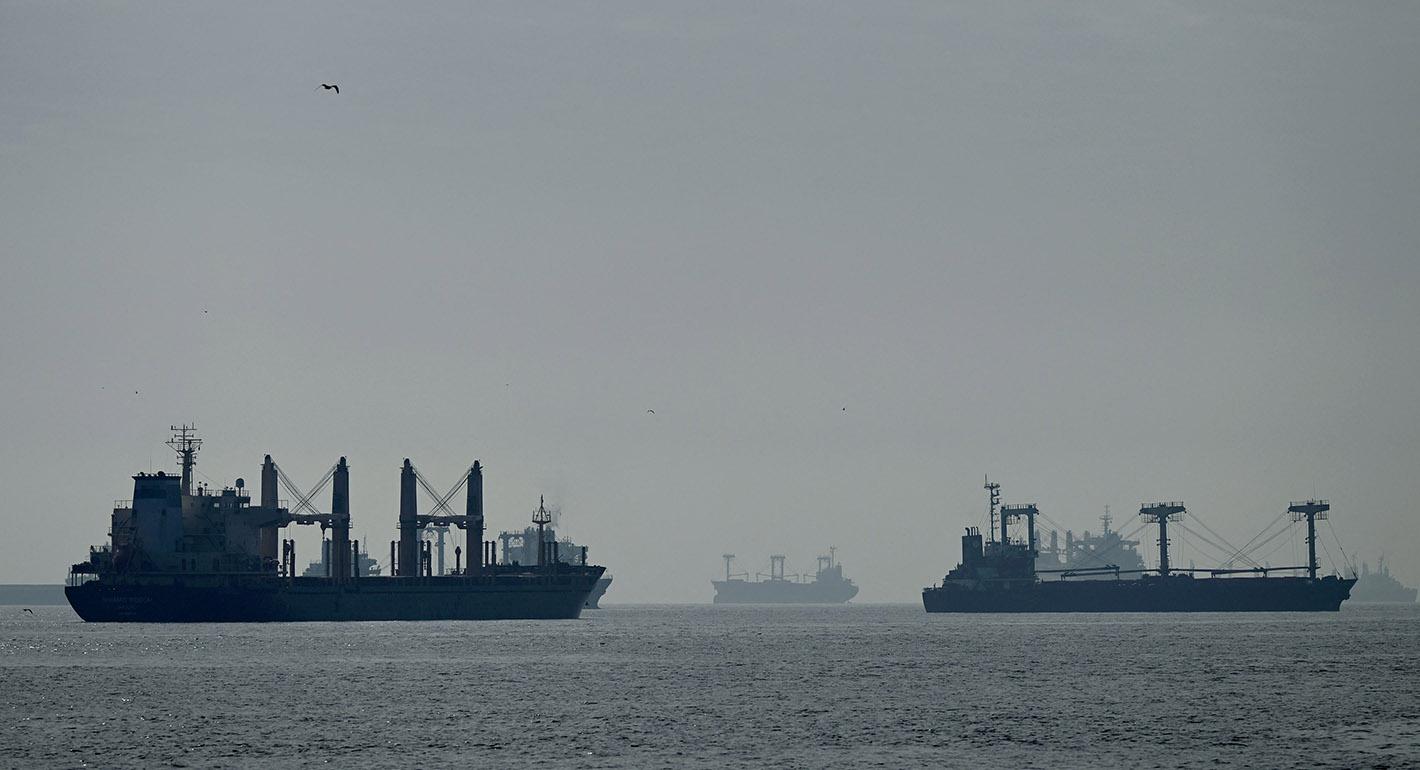
Источник: Getty
Потребность российской экономики в рынках сбыта и технологическом импорте становится все острее, а значит, Москве придется все чаще прислушиваться к оставшимся немногочисленным партнерам, учитывать их интересы в своей политике, в том числе и в отношении Украины, и платить за это не только экономическую, но и внутриполитическую цену
Два дня потребовалось президенту Турции Эрдогану, чтобы Россия вернулась в зерновую сделку и отказалась от идеи блокировать экспорт украинского зерна. Такая скорость показывает, что влияние Анкары на Москву за последние восемь месяцев выросло экспоненциально, резко сместив баланс в отношениях в турецкую сторону.
Несмотря на заявления Кремля, что возврат к сделке не означает ее продления (официально соглашение истекает в конце ноября), очевидно, что у Эрдогана есть такие аргументы, которым России нечего противопоставить. Путин становится все более зависим от небольшого количества оставшихся партнеров — прежде всего, Турции и Китая. И эта зависимость чревата для Кремля проблемами не только во внешней, но и во внутренней политике.
Первоначально Россия согласилась разблокировать украинские порты для экспорта зерна еще летом, когда ситуация на фронте складывалась в ее пользу. К этому Кремль подталкивали Турция, больше других выигравшая от сделки, традиционные импортеры российского и украинского зерна на Ближнем Востоке, а также ООН, стремившаяся привлечь внимание к проблеме глобального голода.
Был у России и свой интерес — зерновая сделка устраняла препятствия для ее собственного экспорта зерна и удобрений. Соответствующее ослабление санкций формально не значилось в соглашении, но было согласовано с США и ЕС.
Также для Кремля зерновая сделка стала одним из немногих рычагов давления на Запад, поэтому уже в сентябре Путин начал намекать, что Россия может покинуть соглашение. По времени эти намеки совпали с успешным контрнаступлением украинской армии.
На уровне риторики Кремль объяснял свое недовольство сделкой тем, что украинское зерно уходило во многом в «сытую Европу», а не беднейшим странам. Хотя направления украинского экспорта не были предметом договоренностей.
На деле же Путин был недоволен тем, что европейские компании, несмотря на отсутствие формальных санкций, не вернулись к business as usual с российскими фирмами. Министр иностранных дел Сергей Лавров открыто жаловался, что препятствия для российских агроэкспортеров не исчезли.
Банки по-прежнему медлили с трансакциями или просто отказывались работать с россиянами, несколько партий удобрений остались заблокированными в балтийских портах, зарубежные покупатели искали замену российским поставщикам, а освобождающиеся ниши занимали фирмы из США и Канады. Токсичной стала вся российская экономика, хоть в Кремле и продолжают не верить и считать это «скрытыми санкциями».
Повод воспользоваться зерновым рычагом представился 29 октября после атаки на Севастополь. По словам российских военных, Украина запустила атакующие дроны с гражданского судна, находившегося в «зеленом коридоре», а повреждения получили корабли, обеспечивающие безопасность зерновозов.
Москва назвала атаку терактом, нанесла удары по украинским энергетическим объектам и приостановила участие в сделке, впрочем, воздержавшись от полной блокады коридора. Несмотря на российские заявления, координационный центр ООН смог согласовать проход судов по зерновому коридору 31 октября без участия России.
Для возвращения в сделку Путин потребовал от партнеров надавить на Украину и получить письменные гарантии безопасности военных и гражданских судов в районе «зеленого коридора». Были и непубличные требования: вернуть отношения с банками-корреспондентами для государственного «Россельхозбанка» (ранее его возглавлял Дмитрий Патрушев, нынешний министр сельского хозяйства и сын секретаря Совбеза РФ Николая Патрушева).
«Россельхозбанк» ранее не играл заметной роли в международной торговле зерном и удобрениями, но Кремль, видимо, задумал превратить его в «единое окно» для расчетов за агроэкспорт, защитив таким образом от санкций по аналогии с «Газпромбанком» и экспортом газа.
Однако пауза продлилась недолго. В следующие пару дней Эрдоган заявил, что вывозить зерно можно и без России, и созвонился с Путиным, после чего Москва резко изменила свою позицию и вернулась в сделку.
Более того, российский президент пообещал «в любом случае» не препятствовать экспорту украинского зерна в Турцию. Это можно понять так, что даже если Россия выйдет из сделки через какое-то время, вывозить украинское зерно из черноморских портов будет по-прежнему возможно. Разговоры о том, что Анкара очень сильно надавила на Москву, широко разнеслись в дипломатических кругах, демонстрируя новую уязвимость Кремля.
Еще в начале этого года можно было уверенно говорить, что Турция больше нуждается в партнерстве с Россией, чем наоборот. Российские туристы — основные клиенты турецких курортов (в январе–сентябре их было около 4 млн), «Росатом» строит для Турции АЭС «Аккую», Россия протянула по дну Черного моря газопровод, стала ключевым партнером Анкары на Кавказе, в Сирии и Ливии, а турецкие дипломаты упрашивали Москву опять пустить их сельхозпродукцию на российский рынок.
Тогда Россия могла позволить себе привередничать — ведь по итогам 2021 года Турция не вошла даже в первую десятку крупнейших внешнеторговых партнеров России, заняв лишь 11-е место. Однако российское вторжение в Украину все изменило. За считанные месяцы Турция превратилась в ключевого экономического партнера России и по итогам девяти месяцев этого года может войти в первую тройку по объемам внешней торговли, уступая только Китаю и Беларуси и потеснив Германию.
Товарооборот двух стран в январе–сентябре 2022 года по сравнению с прошлым годом удвоился, достигнув $47 млрд, а количество авиарейсов между ними превысило 100 в сутки. Рост затронул почти все сферы, но особенно технологические товары, в которых теперь отчаянно нуждается российская промышленность. От поставок из Турции зависят не только планы по импортозамещению, но и поддержка текущей деятельности, ремонт оборудования, другие производственные процессы.
В торговле с остальным миром, включая Китай, технологический импорт в Россию, наоборот, последовательно сокращался. А Турция, судя по всему, стала перевалочным пунктом для технологических поставок из Европы. Например, Италия существенно нарастила поставки своих товаров в Турцию, и на аналогичные величины вырос турецкий экспорт в Россию. Не присоединившись к западным санкциям, Турция превратилась в единственное окно в Европу для российских фирм и граждан.
Похожим образом складывается ситуация и для газового экспорта. После вывода из строя «Северных потоков» трубопровод в Турцию остался единственным маршрутом из России в Европу, который полностью контролируется Москвой. С газопроводом через Украину может случиться всякое, а «Ямал — Европа» попал под санкции Польши.
Москва и Анкара начали обсуждать создание в Турции газового хаба, и, несмотря на все выгоды для Турции, России он явно нужнее. Турция хоть и согласилась платить за российский газ в рублях, потребовала существенных скидок и отсрочку платежей.
Российская пропаганда приводит рост взаимодействия с Турцией как доказательство, что Россия не в изоляции. Но у такого стремительного расширения сотрудничества есть и обратная сторона.
Кремлю приходится учитывать амбиции и интересы Эрдогана во внешней политике. Российским компаниям — предоставлять турецким партнерам существенные скидки, чтобы те не закрыли для них окно на европейский рынок. Не говоря уже о внутриполитических издержках. Турция никогда не пользовалась особой симпатией у российских ультрапатриотов — вот и сейчас они не скрывали своего возмущения возвращением к зерновой сделке, назвав его демонстрацией слабости.
Вызванные вторжением в Украину санкции и разрыв с Западом резко расширили сотрудничество России с несколькими незападными странами. Если сравнить среднемесячные объемы торговли в этом году с предыдущей пятилеткой, то российская торговля с Индией выросла в четыре раза, с Турцией — в два раза, с Китаем — более чем в полтора. Теперь возможная потеря этих партнеров не только лишит Москву существенной части валютной выручки, но и значительно ускорит технологическое отставание российской экономики из-за нехватки импортного оборудования и компонентов.
В арсенале Кремля по-прежнему есть различные инструменты давления на Запад, включая ядерный шантаж, но потребность российской экономики в рынках сбыта и технологическом импорте все сильнее. А значит, Москве придется все чаще прислушиваться к оставшимся немногочисленным партнерам, учитывать их интересы в своей политике, в том числе и в отношении Украины, и платить за это не только экономическую, но и внутриполитическую цену. Тем более что эти партнеры уже намекали Путину, что «сейчас не время войн», а конфликт с Киевом явно затянулся.

Научный сотрудник
Александра Прокопенко — старший научный сотрудник Берлинского центра Карнеги по изучению России и Евразии.
Недавние работы
Александра Прокопенко
Александра Прокопенко
Карнеги не занимает институциональных позиций по вопросам государственной политики; изложенные здесь взгляды принадлежат автору(ам) и не обязательно отражают взгляды Карнеги, его сотрудников или попечителей.
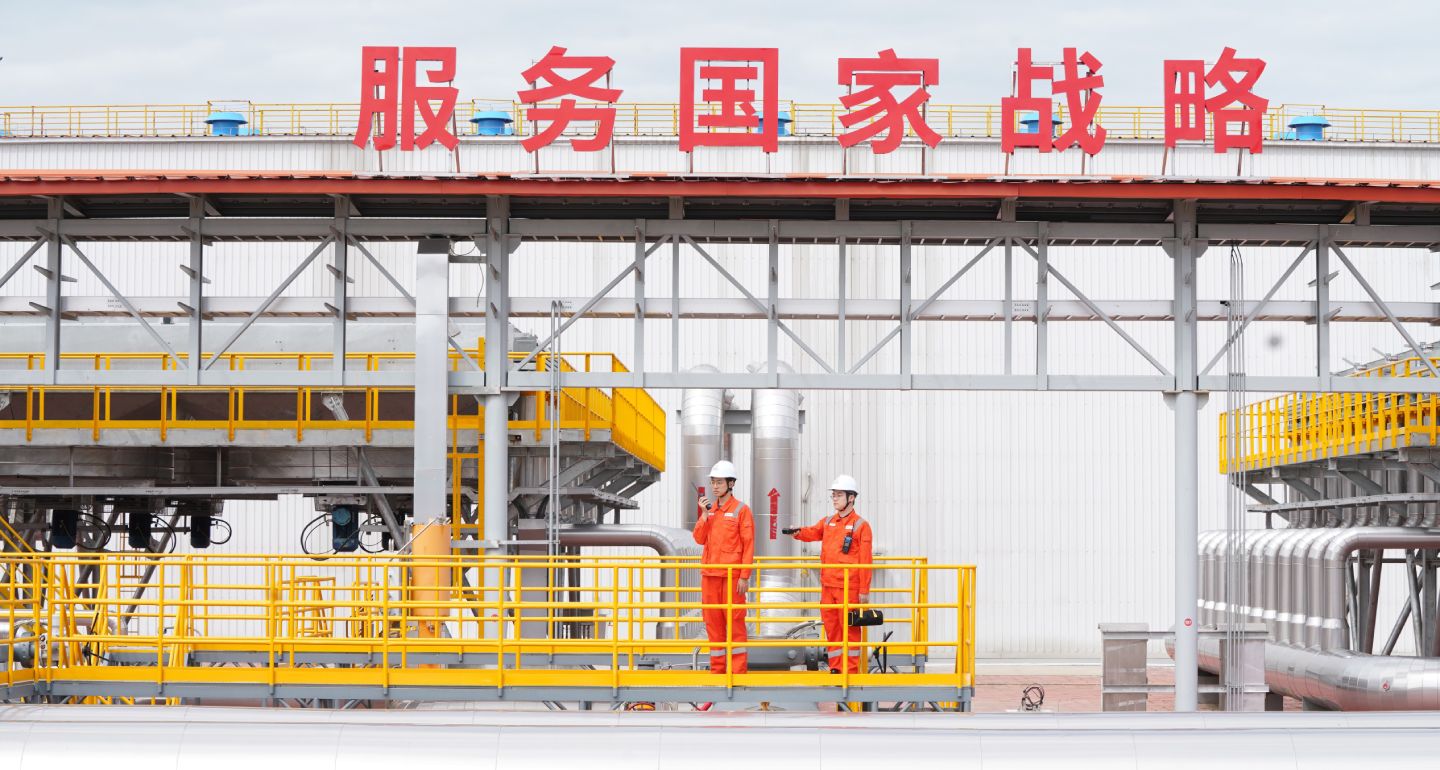
В широком диапазоне цен и рыночных условий, наблюдавшихся за четверть века, формула поставок газа в Китай дает на 20–30% более низкую цену, чем формула, действовавшая для Западной Европы.

Сергей Вакуленко

Российские удары по украинской промышленности и инфраструктуре лишают страну доходов и вынуждают тратить и без того ограниченные бюджетные средства на восстановление. То есть еще больше увеличивают разрыв между способностью страны продолжать боевые действия на фронте и способностью украинской экономики обеспечивать их в тылу.

Балаш Ярабик
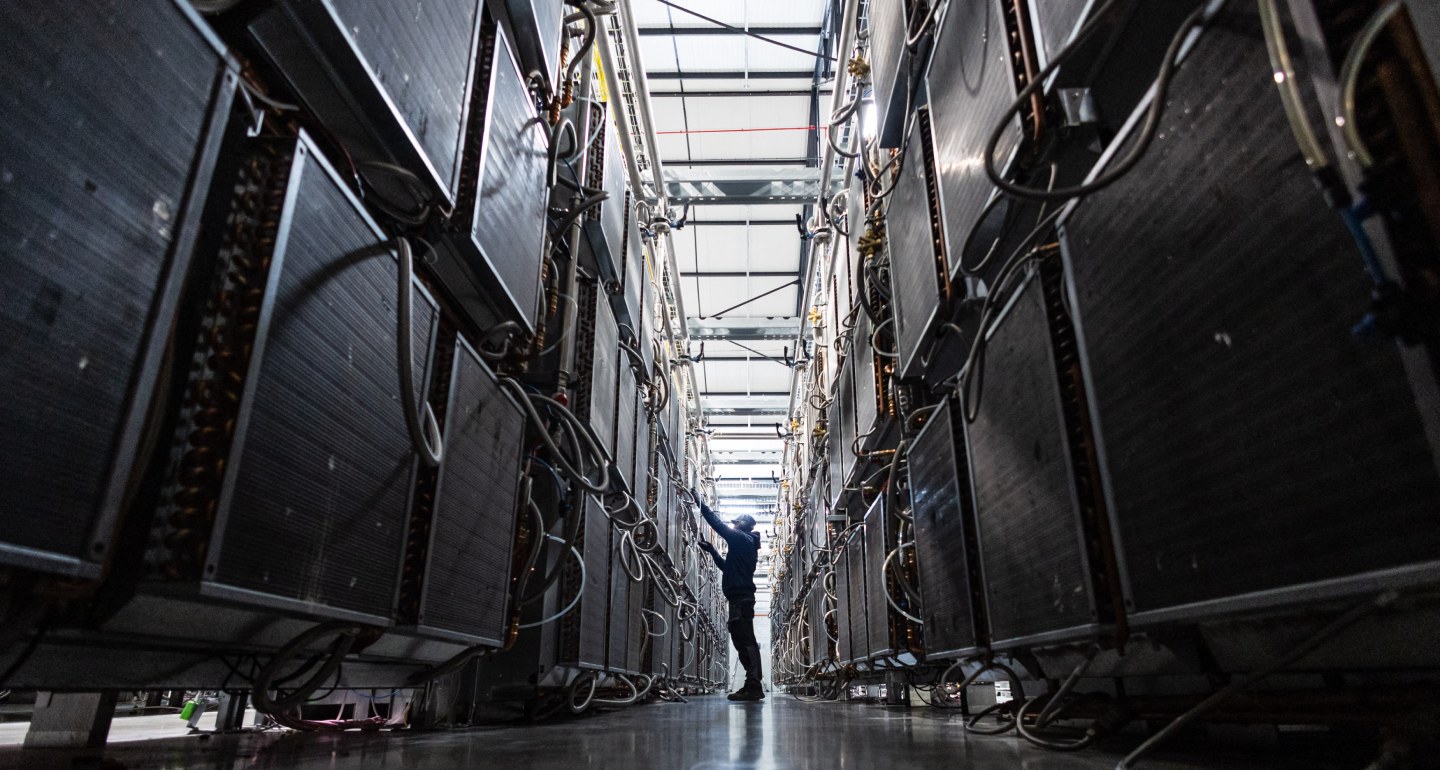
Россия годами строила «суверенный Рунет», стремясь сосредоточить интернет-инфраструктуру исключительно внутри страны. Но атаки украинских дронов показали, что такой подход, наоборот, повышает уязвимость.

Мария Коломыченко
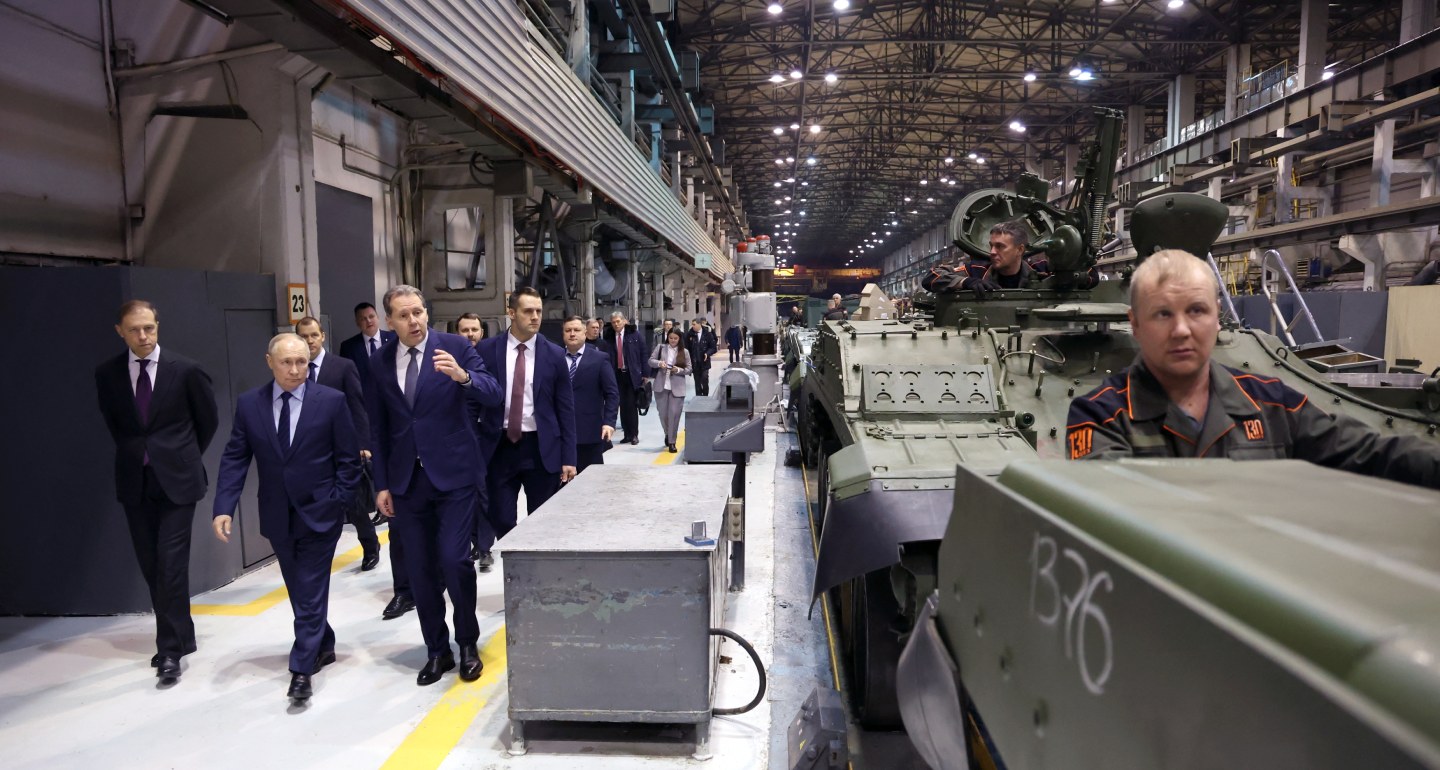
Предложенный российским правительством бюджет несет жителям некоторые неудобства. Но для экономического коллапса, который вынудил бы Владимира Путина сразу прекратить войну, этим планам не достает эпического, гитлеровского безумия.

Леонид Бершидский

Без энергетического перемирия с Украиной, на которое вряд ли пойдет Кремль, исполнение дизельных договоренностей Путина и Трампа возможно, но останется в основном видимостью, а не настоящим увеличением объемов российского дизеля на мировом рынке.
Сергей Вакуленко