

Other
Sharon Squassoni
{
  "authors": [
    "Sharon Squassoni"
  ],
  "type": "legacyinthemedia",
  "centerAffiliationAll": "dc",
  "centers": [
    "Carnegie Endowment for International Peace"
  ],
  "collections": [],
  "englishNewsletterAll": "ctw",
  "nonEnglishNewsletterAll": "",
  "primaryCenter": "Carnegie Endowment for International Peace",
  "programAffiliation": "NPP",
  "programs": [
    "Nuclear Policy",
    "Sustainability, Climate, and Geopolitics"
  ],
  "projects": [],
  "regions": [
    "North America"
  ],
  "topics": [
    "Climate Change",
    "Nuclear Policy",
    "Nuclear Energy"
  ]
}
Source: Getty
Although nuclear safety has improved significantly, nuclear energy’s inherent vulnerabilities regarding waste disposal, economic competitiveness, and proliferation remain. Moreover, nuclear security concerns have increased since the September 11, 2001 terrorist attacks.
Source: Arms Control Today
The headquarters of the International Atomic Energy Agency (IAEA) sits in the suburbs of Vienna, in the northeast corner of a country that has outlawed nuclear power plants since 1978. The irony of this situation masks deeper divisions in the nuclear energy debate, which recent assertions of a nuclear renaissance have papered over.
Concern about greenhouse gas emissions and energy security combined with forecasts of strong growth in electricity demand has awakened dormant interest in nuclear energy. Yet, the industry has not yet fully addressed the issues that have kept global nuclear energy capacity roughly the same for the last two decades. Although nuclear safety has improved significantly, nuclear energy’s inherent vulnerabilities regarding waste disposal, economic competitiveness, and proliferation remain. Moreover, nuclear security concerns have increased since the September 11, 2001 terrorist attacks.
This article originally appeared in Arms Control Today.
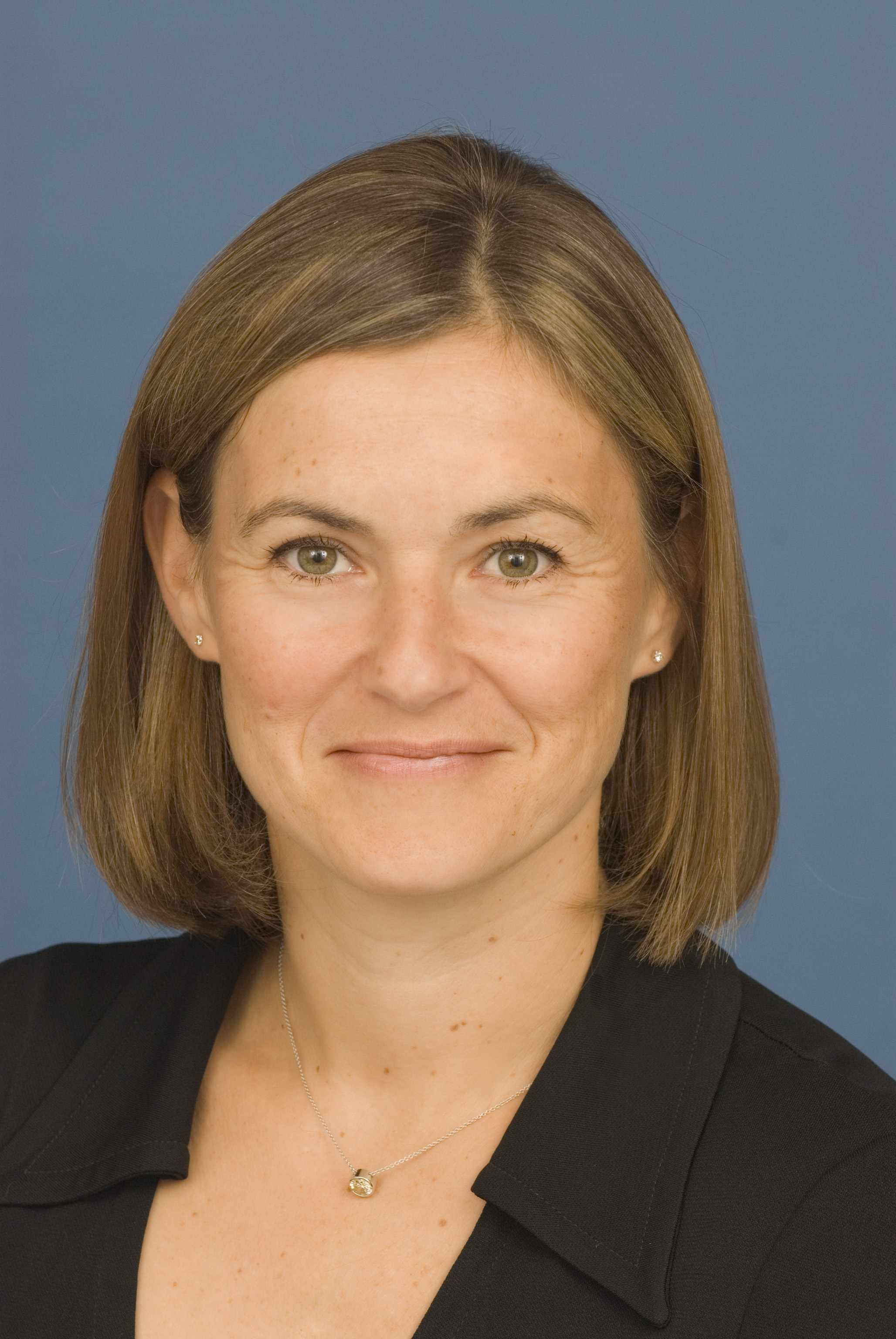
Former Senior Associate, Nuclear Policy Program
Squassoni came to Carnegie from the Congressional Research Service. She also served for nine years in the executive branch. Her last position at the State Department was director of Policy Coordination in the Nonproliferation Bureau.
Recent Work
Sharon Squassoni
Sharon Squassoni
Carnegie does not take institutional positions on public policy issues; the views represented herein are those of the author(s) and do not necessarily reflect the views of Carnegie, its staff, or its trustees.

When faced with fuel shortages in the past, Central Asian governments could always count on additional supplies from Moscow. That safety net no longer exists.

Galiya Ibragimova
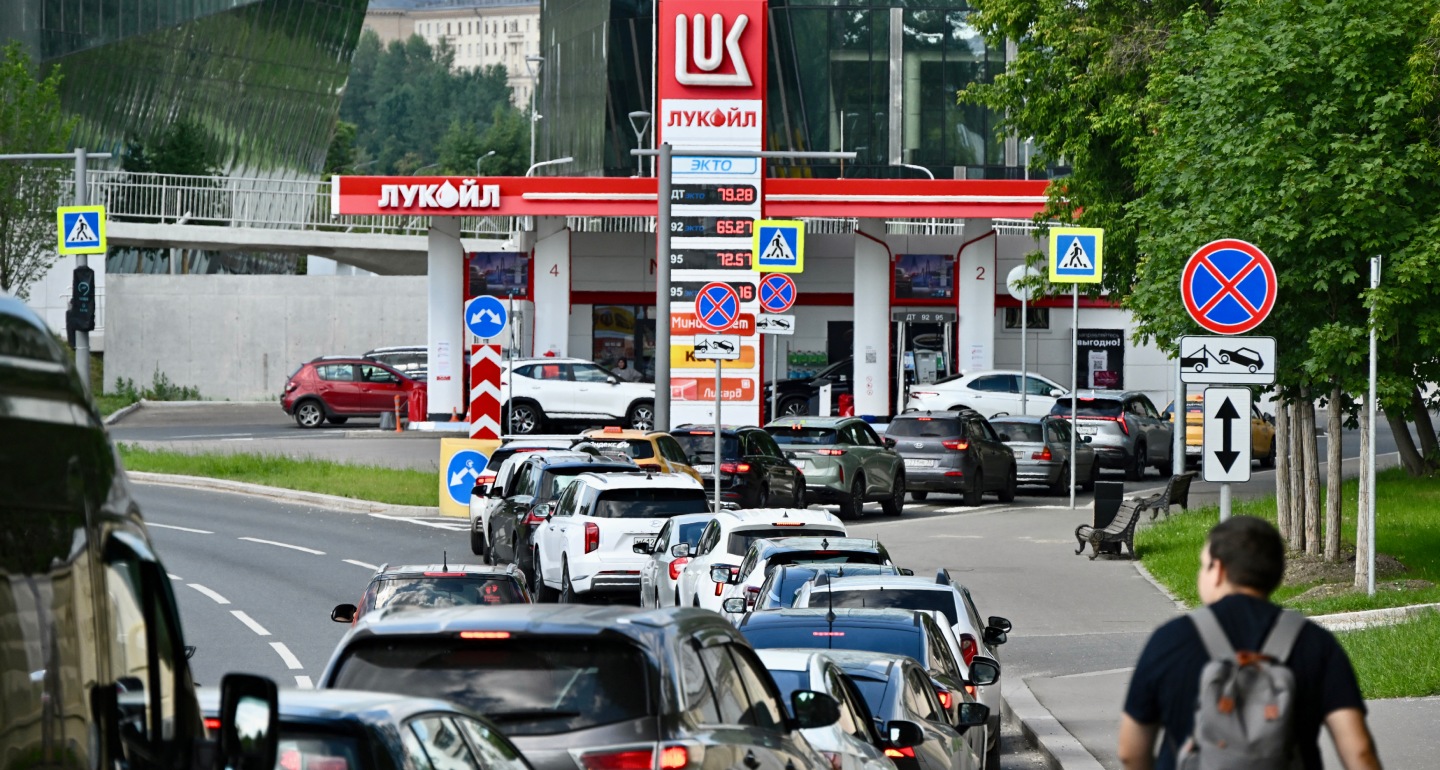
Official discussions about mini oil refineries are unlikely to come to anything—but the mere fact they’re happening reveals the regime is failing to deliver a functioning economy.

Sergey Vakulenko
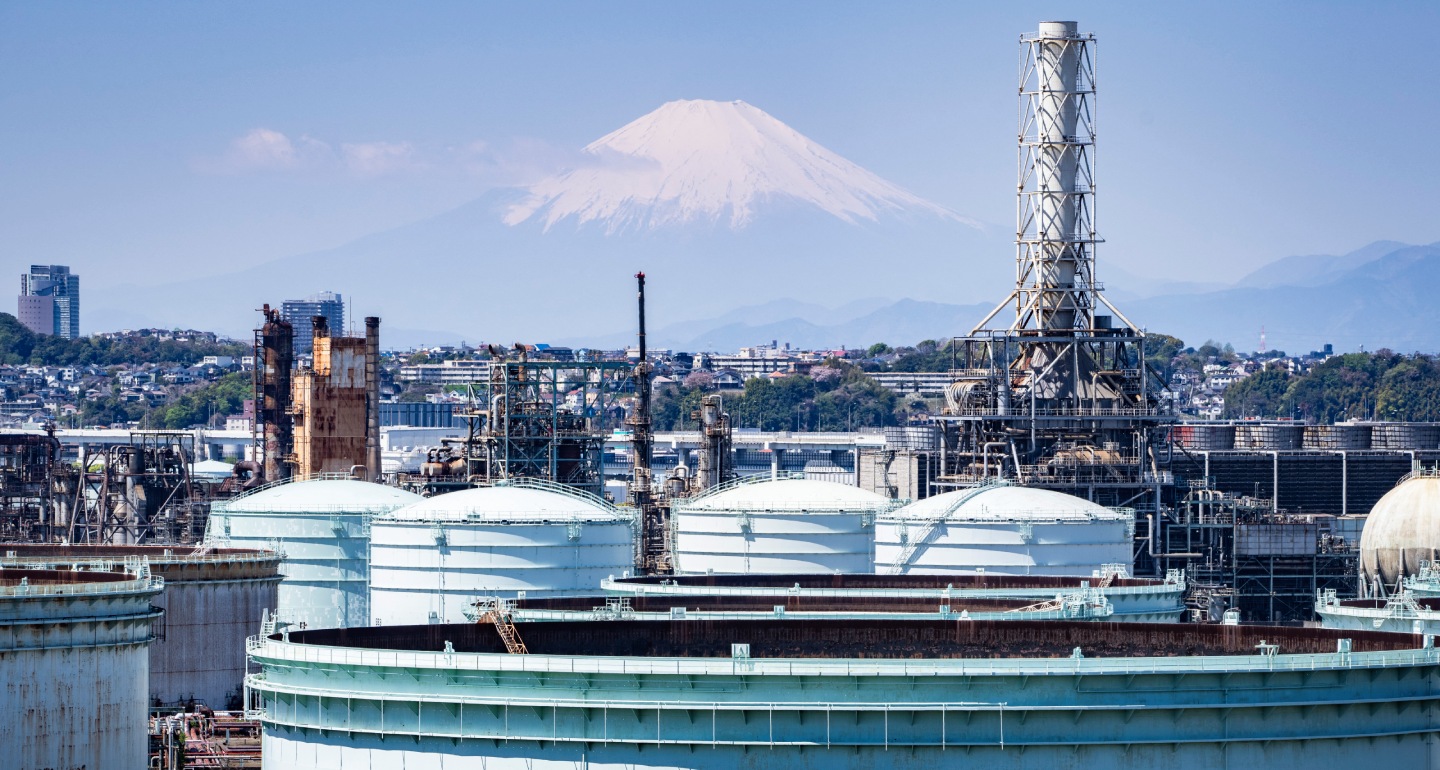
Tokyo would have to surmount a lot of obstacles—not least Western sanctions—if it wanted to return Russian oil imports to even modest pre-2022 volumes.
Vladislav Pashchenko
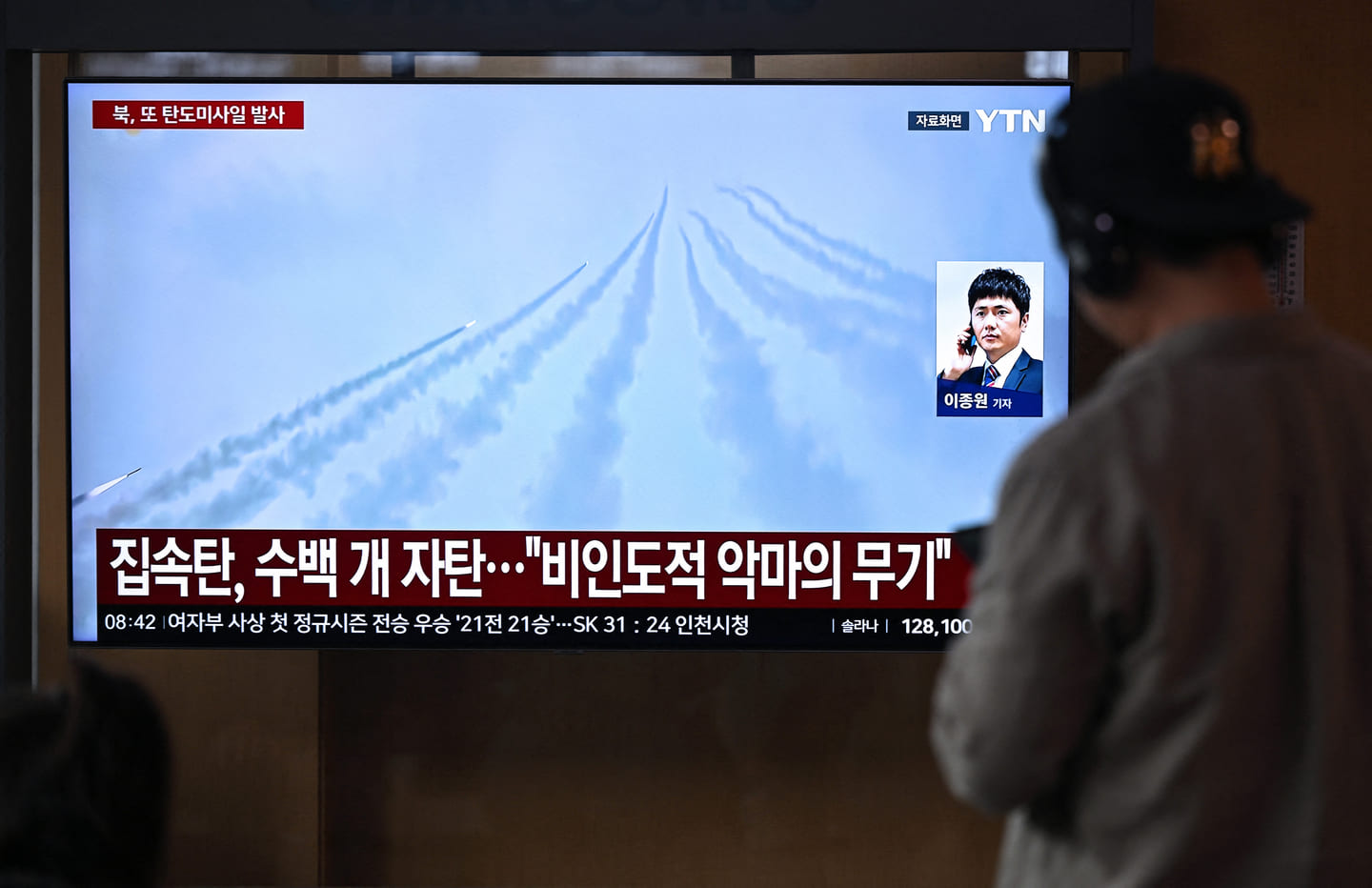
Troubled by the growing salience of nuclear debates in East Asia, Moscow has responded in its usual way: with condemnation and threats. But by exacerbating insecurity, Russia is forcing South Korea and Japan to consider radical security options.

James D.J. Brown
Powerful lobbyists and inertia led to Russia’s coal-mining sector missing an excellent opportunity to solve its structural problems.
Alexey Gusev