

Commentary
Arms supplies from Russia to Iran will not only continue, but could grow significantly if Russia gets the opportunity.
Nikita Smagin
{
  "authors": [],
  "type": "pressRelease",
  "centerAffiliationAll": "dc",
  "centers": [
    "Carnegie Endowment for International Peace"
  ],
  "collections": [],
  "englishNewsletterAll": "",
  "nonEnglishNewsletterAll": "",
  "primaryCenter": "Carnegie Endowment for International Peace",
  "programAffiliation": "DCG",
  "programs": [
    "Democracy, Conflict, and Governance",
    "Middle East"
  ],
  "projects": [],
  "regions": [
    "North America",
    "United States",
    "Middle East",
    "Iran",
    "Israel",
    "North Africa",
    "Egypt",
    "Iraq",
    "Lebanon",
    "Palestine",
    "Bahrain",
    "Saudi Arabia"
  ],
  "topics": [
    "Political Reform",
    "Democracy",
    "Foreign Policy"
  ]
}
REQUIRED IMAGE
U.S. democracy promotion efforts in the Middle East should focus on realistic political reform goals. The most pressing issue facing Arab countries is the development of political systems that can contend with evolving socio-economic realities and open participation to political opposition, argues Carnegie Middle East Program Director Marina Ottaway.
WASHINGTON, June 4—U.S. democracy promotion efforts in the Middle East should focus on realistic political reform goals that correspond both to regional realities and the limited degree of actual U.S. influence. The most pressing issue facing Arab countries is the development of political systems that can contend with evolving socio-economic realities and open participation to political opposition, argues Carnegie Middle East Program Director Marina Ottaway.
An aggressive policy to promote a true redistribution of power is unlikely to succeed and could prove destabilizing at a time when the next U.S. president will already face crisis conditions in Iraq and Palestine, a defiant Iran, an unstable Lebanon, and high oil prices. In a new policy brief, Democracy Promotion in the Middle East: Restoring Credibility, Ottaway argues that the United States can, however, still play a useful role in encouraging reforms.
Future U.S. democracy promotion efforts should:
Ottaway concludes:
“Although the steps advocated here represent a retreat from the flamboyant rhetoric of the recent past, they are not a retreat from the promotion of political reform, which requires not words but consistent action. Democracy promotion in the Middle East has led to no positive results, while undermining U.S. credibility across the region. Neither incumbent regimes nor reform advocates believe any longer that the United States is seeking the democratic transformation of the region. Credibility will not be restored by new rhetoric but by consistent efforts to promote attainable goals.”
###

Carnegie does not take institutional positions on public policy issues; the views represented herein are those of the author(s) and do not necessarily reflect the views of Carnegie, its staff, or its trustees.
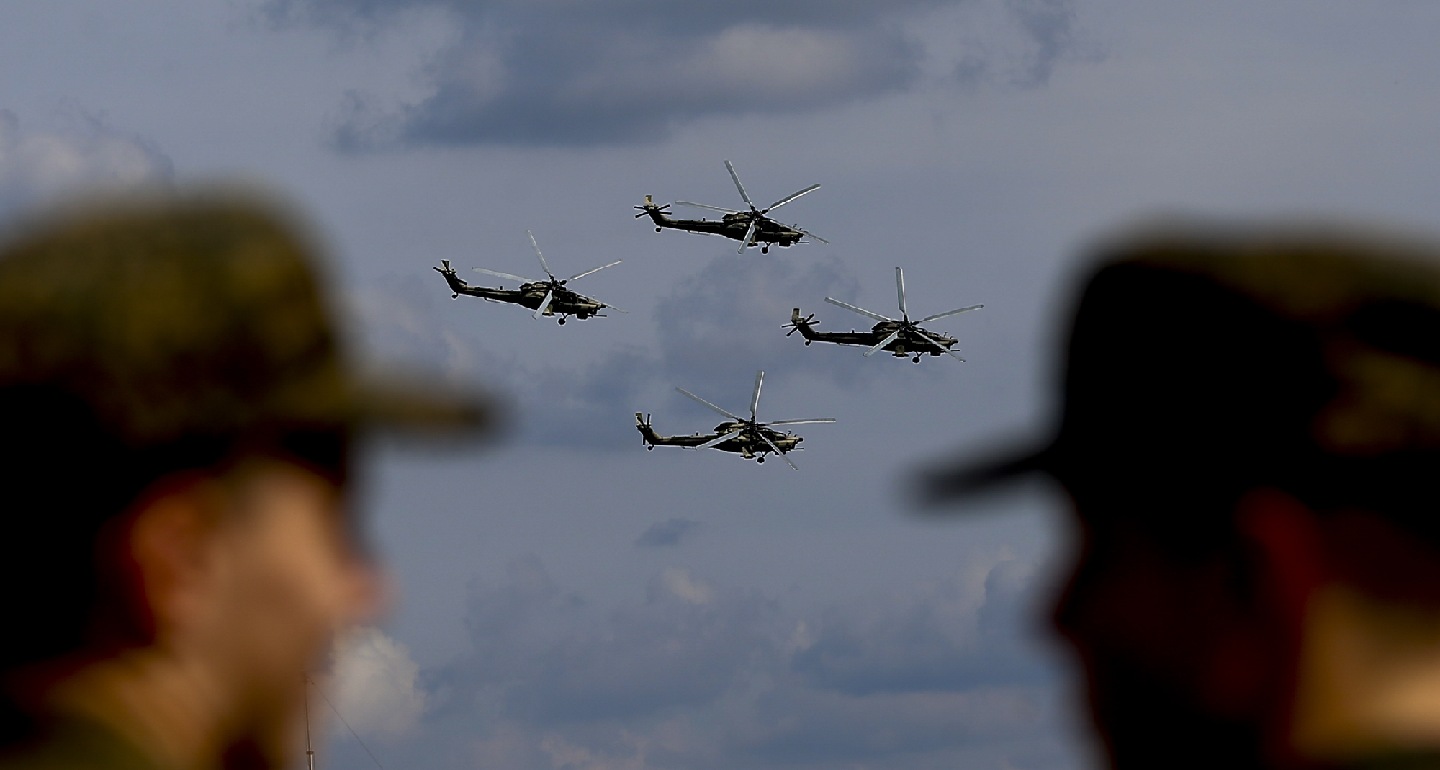
Arms supplies from Russia to Iran will not only continue, but could grow significantly if Russia gets the opportunity.

Nikita Smagin
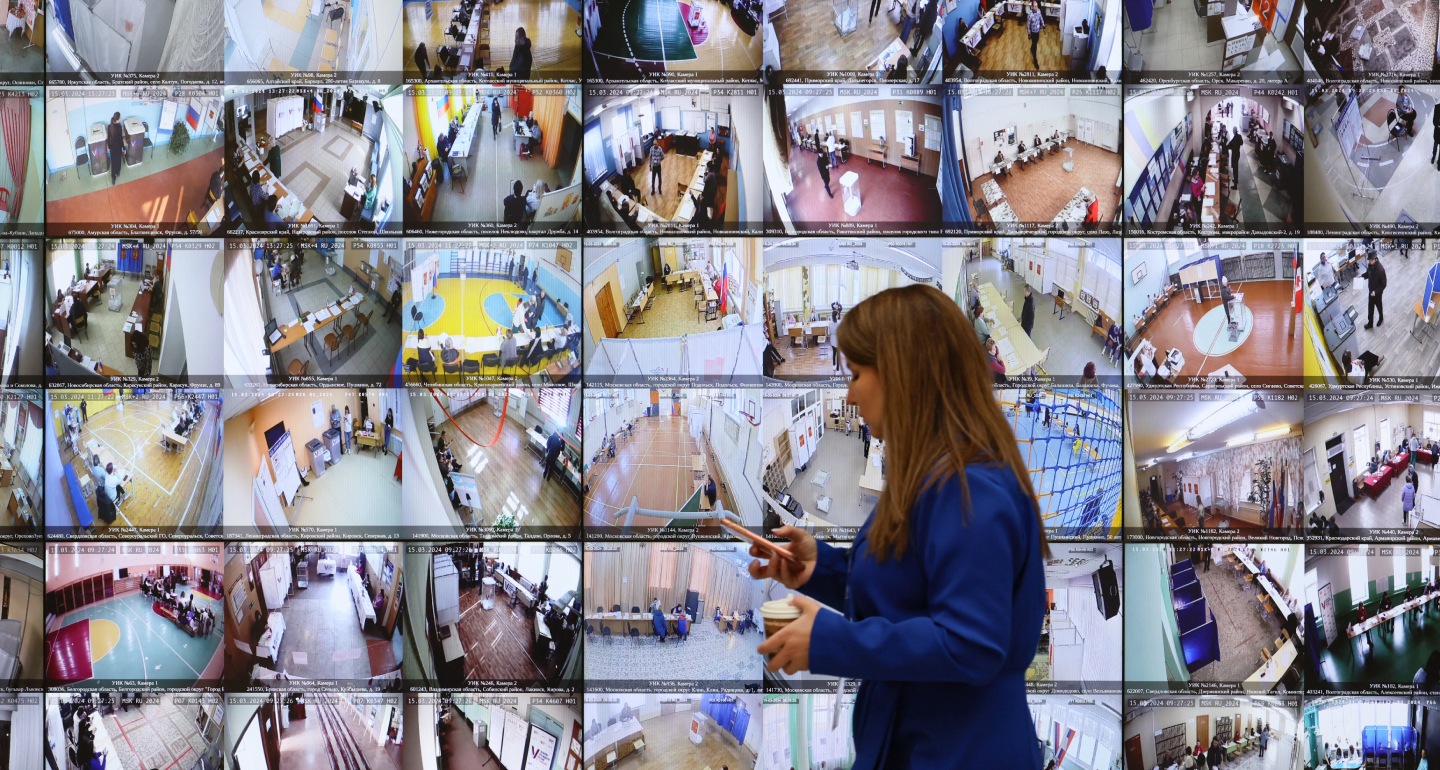
The use of technology to mobilize Russians to vote—a system tied to the relative material well-being of the electorate, its high dependence on the state, and a far-reaching system of digital control—is breaking down.

Andrey Pertsev
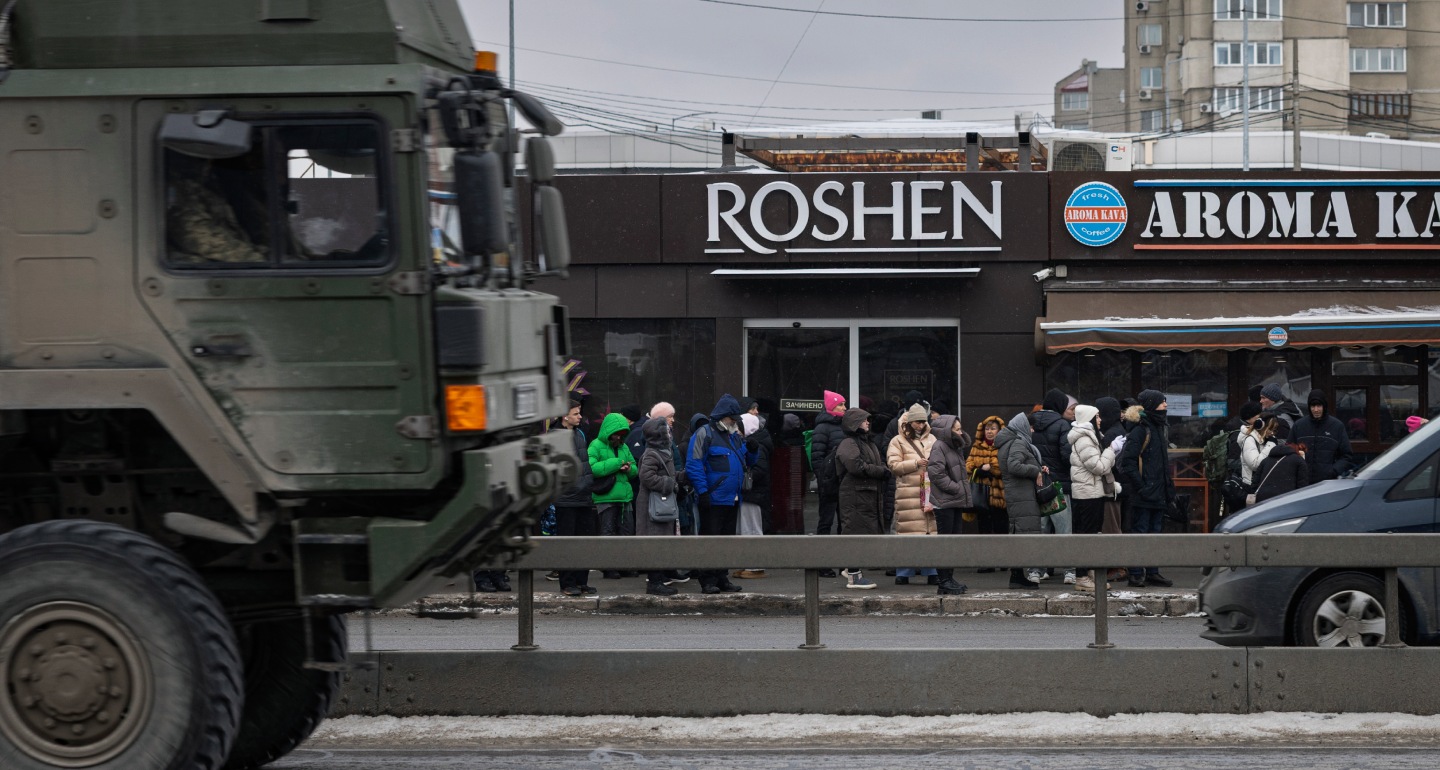
Putin is stalling, waiting for a breakthrough on the front lines or a grand bargain in which Trump will give him something more than Ukraine in exchange for concessions on Ukraine. And if that doesn’t happen, the conflict could be expanded beyond Ukraine.

Alexander Baunov
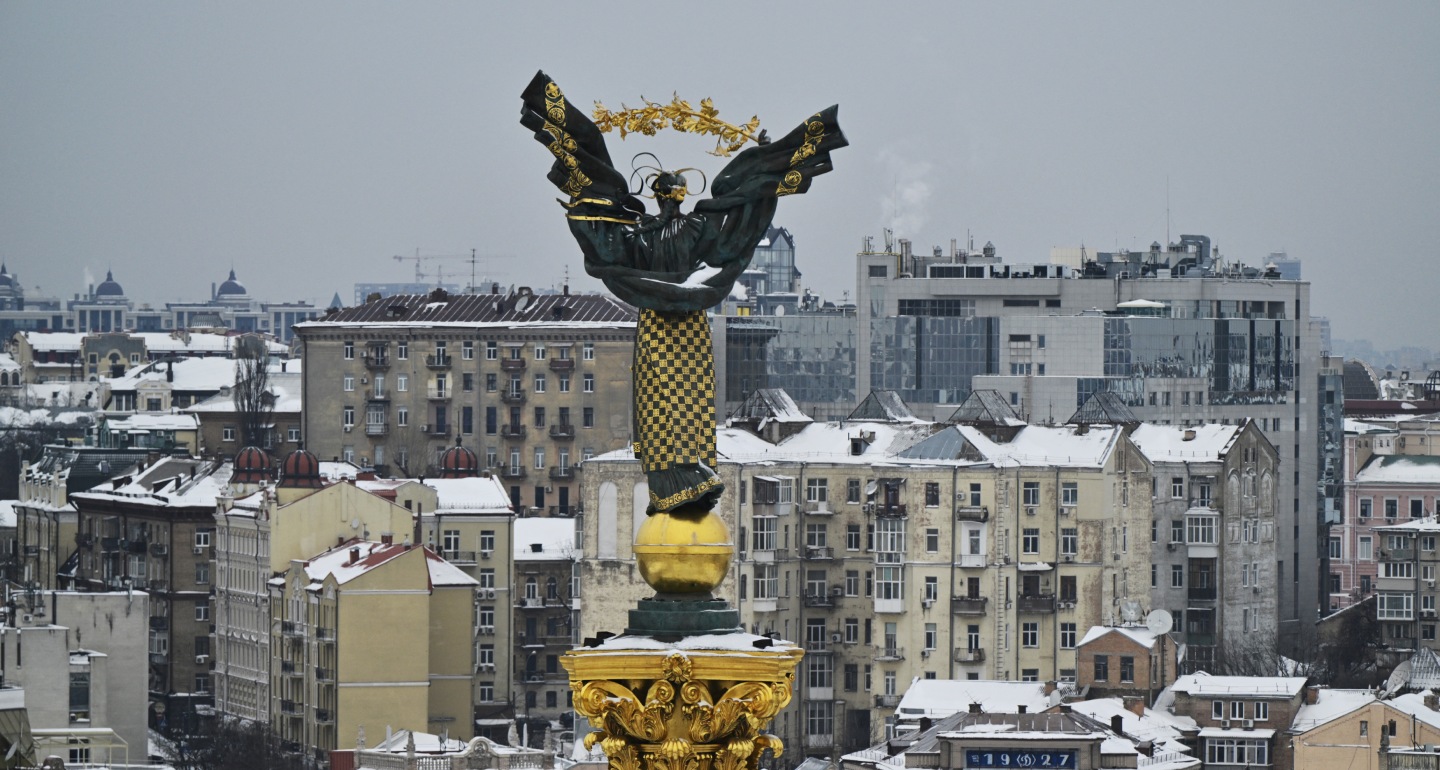
As discussions about settlement and elections move from speculation to preparation, Kyiv will have to manage not only the battlefield, but also the terms of political transition. The thaw will not resolve underlying tensions; it will only expose them more clearly.

Balázs Jarábik
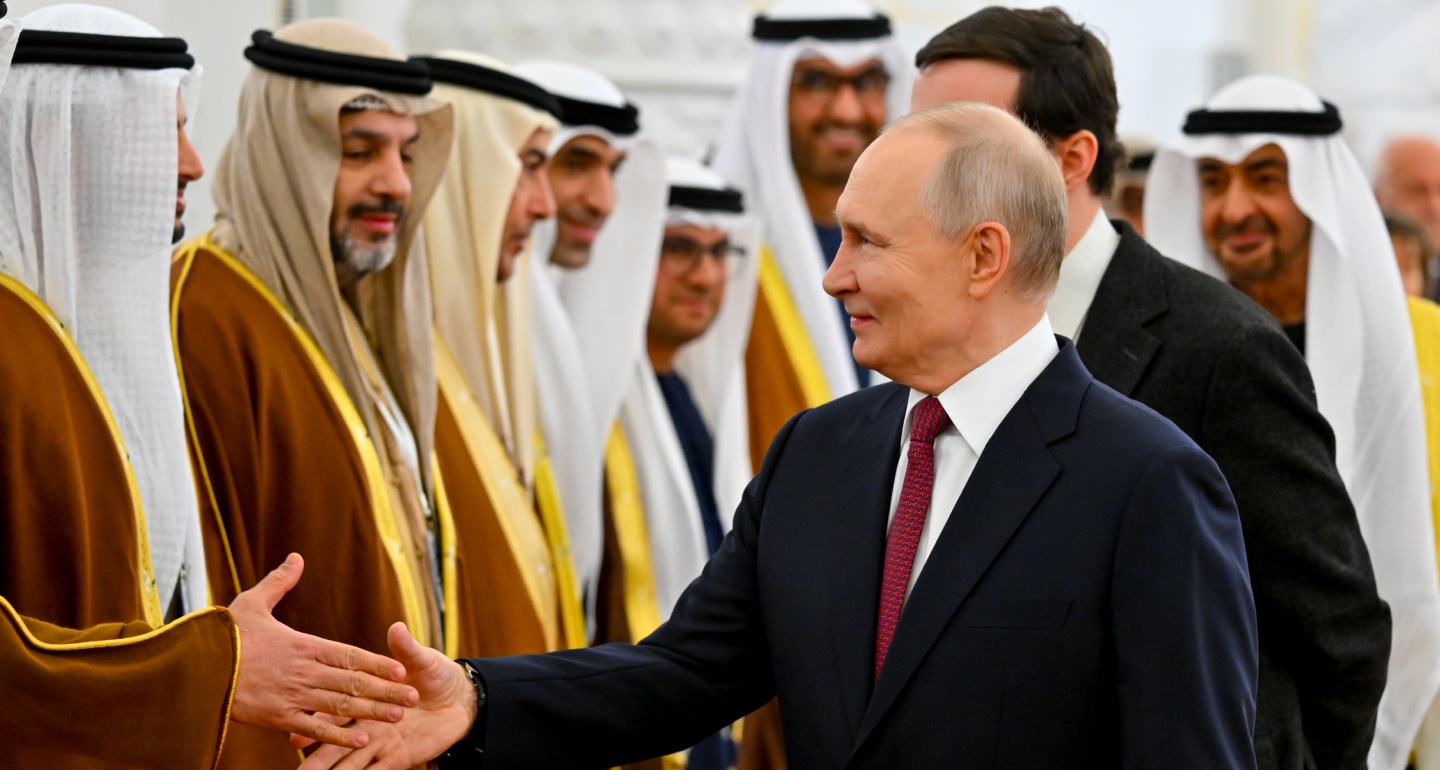
Disillusioned with the West over Gaza, Arab countries are not only trading more with Russia; they are also more willing to criticize Kyiv.
Ruslan Suleymanov