• Research
  • Politika
  • About
Carnegie Russia Eurasia center logoCarnegie lettermark logo
  • Donate
{
  "authors": [
    "Martha Brill Olcott"
  ],
  "type": "testimony",
  "centerAffiliationAll": "dc",
  "centers": [
    "Carnegie Endowment for International Peace",
    "Carnegie Russia Eurasia Center"
  ],
  "collections": [],
  "englishNewsletterAll": "ctw",
  "nonEnglishNewsletterAll": "",
  "primaryCenter": "Carnegie Endowment for International Peace",
  "programAffiliation": "russia",
  "programs": [
    "Russia and Eurasia"
  ],
  "projects": [
    "Eurasia in Transition"
  ],
  "regions": [
    "North America",
    "United States",
    "South Asia",
    "Afghanistan",
    "Central Asia",
    "Kazakhstan",
    "Kyrgyz Republic",
    "Tajikistan",
    "Turkmenistan",
    "Uzbekistan",
    "Caucasus",
    "Russia"
  ],
  "topics": [
    "Political Reform",
    "Economy",
    "Climate Change",
    "Security",
    "Military",
    "Foreign Policy"
  ]
}

Source: Getty

Testimony

U.S. Policy in Central Asia: Looking Ahead

As the war in Afghanistan begins to enter a new phase, it is important to reexamine some of the premises of U.S. policy in the Central Asian region and to consider whether the conditions in the region have changed in the last decade.

Link Copied
By Martha Brill Olcott
Published on Dec 15, 2009
Project hero Image

Project

Eurasia in Transition

Learn More

Source: Senate Committee on Foreign Relations

Since 2001, Central Asia has received increased attention from American policy makers, but strategy toward that region has largely ignored the shifting realities on the ground. In testimony before the Senate Foreign Relations Committee, Martha Brill Olcott explains that as the war in Afghanistan begins to enter a new and hopefully final phase, the time is ripe for a “systematic reexamination of U.S. policies in Central Asia.”

Changes in Central Asia since 2001:

  • While the role of China has grown dramatically—as evidenced by a major gas pipeline to China that opened this week—Russia seems to have reached the limit of its economic and security power in the region. The Kremlin itself may have difficulty accepting this.
     
  • Despite years of U.S. and EU efforts to isolate Iran, the Islamic Republic and the Arab world are playing an increasingly visible role in economic and religious life throughout Central Asia.
     
  • For the last eight years, Washington has argued that U.S. and Central Asian security interests in Afghanistan overlapped. With an American transition date set, Central Asian states are focused on protecting their interests after Washington departs.

U.S. Policy Recommendations:

  • Expand military assistance to the Central Asian nations, especially that geared toward maintaining effective border controls. Such a step would go a long way toward helping alleviate the threat of possible incursions by armed groups; illegal trade in drugs and arms; and refugee flows.
     
  • It is time to revisit the U.S. multiple pipeline strategy. The newly opened Chinese pipeline has already introduced an alternative to exporting Central Asia’s energy supplies through Russia. Rather than continuing to increase pipeline capacity, Europe’s vulnerability to trade disruptions from Russia can instead be reduced by adding more liquefied natural gas into their energy mix, creating more interlinkages within the EU, and supporting an EU-wide strategic reserve.
     
  • U.S. policy makers must look more creatively at the challenge of democracy building in a region where the quality of life in rural areas is deteriorating. In concrete terms, more attention should be given to projects that improve the physical conditions of education—a building block for secular democracies—so that children will be more likely to go to school. Access to the internet is also critical, as are projects that deliver energy to areas where it is currently in short supply.
     
  • The United States should leverage its influence in the region to enhance coordination among the international financial institutions and other bilateral assistance providers working in Central Asia.

About the Author

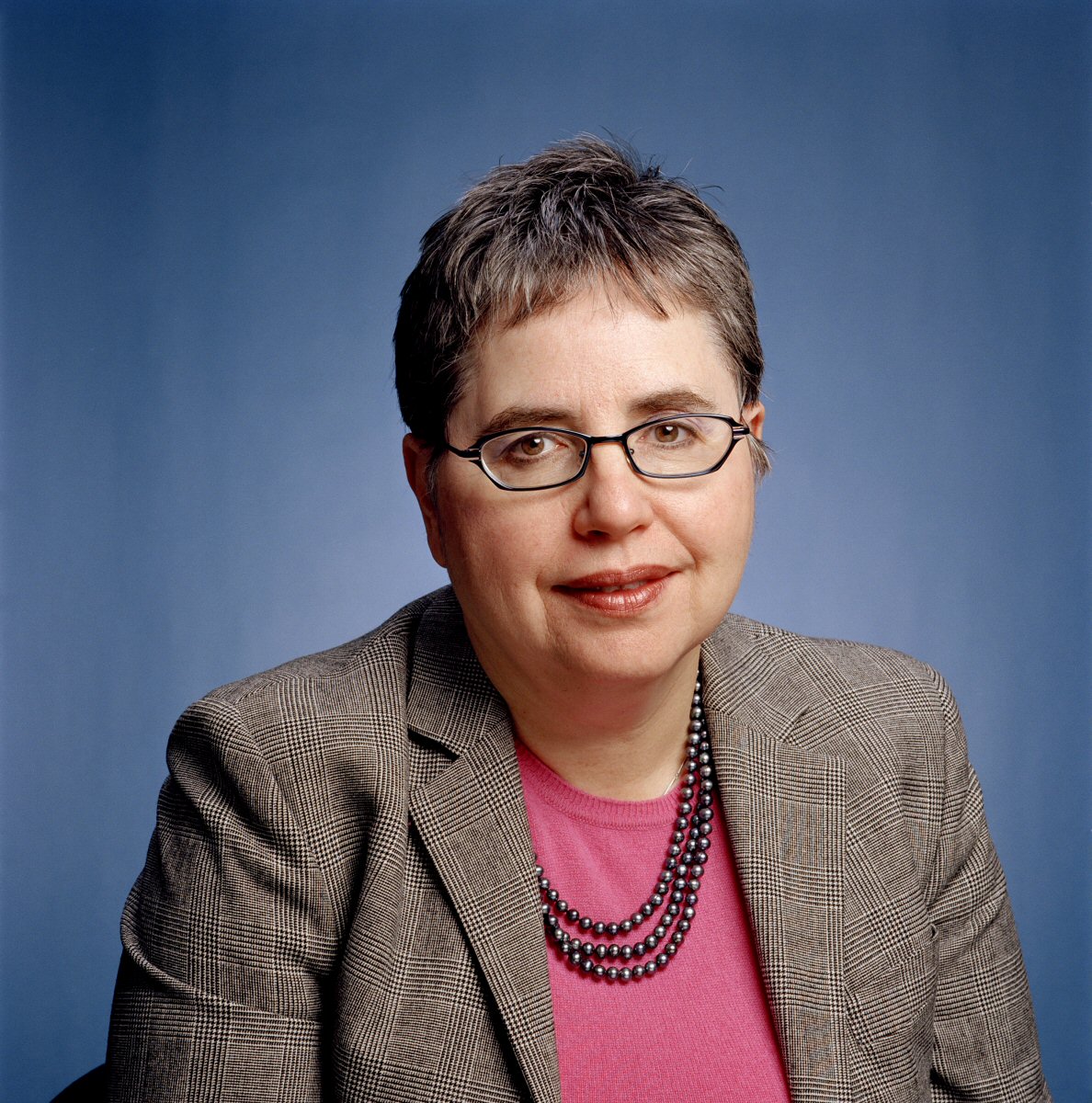
Martha Brill Olcott

Former Senior Associate, Russia and Eurasia Program and, Co-director, al-Farabi Carnegie Program on Central Asia

Olcott is professor emerita at Colgate University, having taught political science there from 1974 to 2002. Prior to her work at the endowment, Olcott served as a special consultant to former secretary of state Lawrence Eagleburger.

    Recent Work

  • In The Media
    After Crimea: Will Kazakhstan be Next in Putin’s Reintegration Project?

      Martha Brill Olcott

  • Article
    China’s Unmatched Influence in Central Asia

      Martha Brill Olcott

Martha Brill Olcott
Former Senior Associate, Russia and Eurasia Program and, Co-director, al-Farabi Carnegie Program on Central Asia
Martha Brill Olcott
Political ReformEconomyClimate ChangeSecurityMilitaryForeign PolicyNorth AmericaUnited StatesSouth AsiaAfghanistanCentral AsiaKazakhstanKyrgyz RepublicTajikistanTurkmenistanUzbekistanCaucasusRussia

Carnegie does not take institutional positions on public policy issues; the views represented herein are those of the author(s) and do not necessarily reflect the views of Carnegie, its staff, or its trustees.

More Work from Carnegie Russia Eurasia Center

  • Commentary
    Carnegie Politika
    Why Are China and Russia Not Rushing to Help Iran?

    Most of Moscow’s military resources are tied up in Ukraine, while Beijing’s foreign policy prioritizes economic ties and avoids direct conflict.   

      • Alexander Gabuev

      Alexander Gabuev, Temur Umarov

  • Commentary
    Carnegie Politika
    Georgia’s Fall From U.S. Favor Heralds South Caucasus Realignment

    With the White House only interested in economic dealmaking, Georgia finds itself eclipsed by what Armenia and Azerbaijan can offer.

      Bashir Kitachaev

  • Commentary
    Carnegie Politika
    What Does War in the Middle East Mean for Russia–Iran Ties?

    If the regime in Tehran survives, it could be obliged to hand Moscow significant political influence in exchange for supplies of weapons and humanitarian aid.

      Nikita Smagin

  • Commentary
    Carnegie Politika
    How Trump’s Wars Are Boosting Russian Oil Exports

    The interventions in Iran and Venezuela are in keeping with Trump’s strategy of containing China, but also strengthen Russia’s position.

      • Mikhail Korostikov

      Mikhail Korostikov

  • Commentary
    Carnegie Politika
    How Far Can Russian Arms Help Iran?

    Arms supplies from Russia to Iran will not only continue, but could grow significantly if Russia gets the opportunity.

      Nikita Smagin

Get more news and analysis from
Carnegie Russia Eurasia Center
Carnegie Russia Eurasia logo, white
  • Research
  • Politika
  • About
  • Experts
  • Events
  • Contact
  • Privacy
Get more news and analysis from
Carnegie Russia Eurasia Center
© 2026 Carnegie Endowment for International Peace. All rights reserved.