

Commentary
Thomas de Waal
{
  "authors": [
    "Thomas de Waal"
  ],
  "type": "other",
  "centerAffiliationAll": "dc",
  "centers": [
    "Carnegie Endowment for International Peace",
    "Carnegie Europe",
    "Carnegie Russia Eurasia Center"
  ],
  "collections": [],
  "englishNewsletterAll": "ctw",
  "nonEnglishNewsletterAll": "",
  "primaryCenter": "Carnegie Europe",
  "programAffiliation": "russia",
  "programs": [
    "Russia and Eurasia"
  ],
  "projects": [
    "Eurasia in Transition"
  ],
  "regions": [
    "Central Asia",
    "Caucasus"
  ],
  "topics": [
    "Security"
  ]
}
Source: Getty
The failure of the international community to recognize the Caucasus and Central Asia as a region with complex internal dynamics complicates efforts to respond to global challenges ranging from energy security and arms proliferation to humanitarian crises.
Source: Eurasia Foundation
While the international community believes that long-standing conflicts in the Caucasus and Central Asia are under control, these disputes are far more fragile than they look, warned Thomas de Waal at a panel discussion hosted by Eurasia Foundation. De Waal joined Fiona Hill of Brookings Institution and the Washington Post’s David Ignatius in an examination of the strategic importance of the Caucasus and Central Asia in the major international challenges currently faced by the United States. “These conflicts aren’t frozen. I prefer the term simmering conflicts, or smoldering conflicts,” de Waal said. “There’s a lot going on under the surface here.”
De Waal and Hill agreed that the international community can play a real role in helping resolve these conflicts. “Let the negotiators and the diplomats talk to civil society, talk to the small constituency of peace and try to cultivate it…bypassing the authorities, if the authorities are not willing,” de Waal said.

Senior Fellow, Carnegie Europe
De Waal is a senior fellow at Carnegie Europe, specializing in Eastern Europe and the Caucasus.
Recent Work
Thomas de Waal
Thomas de Waal, ed.
Carnegie does not take institutional positions on public policy issues; the views represented herein are those of the author(s) and do not necessarily reflect the views of Carnegie, its staff, or its trustees.
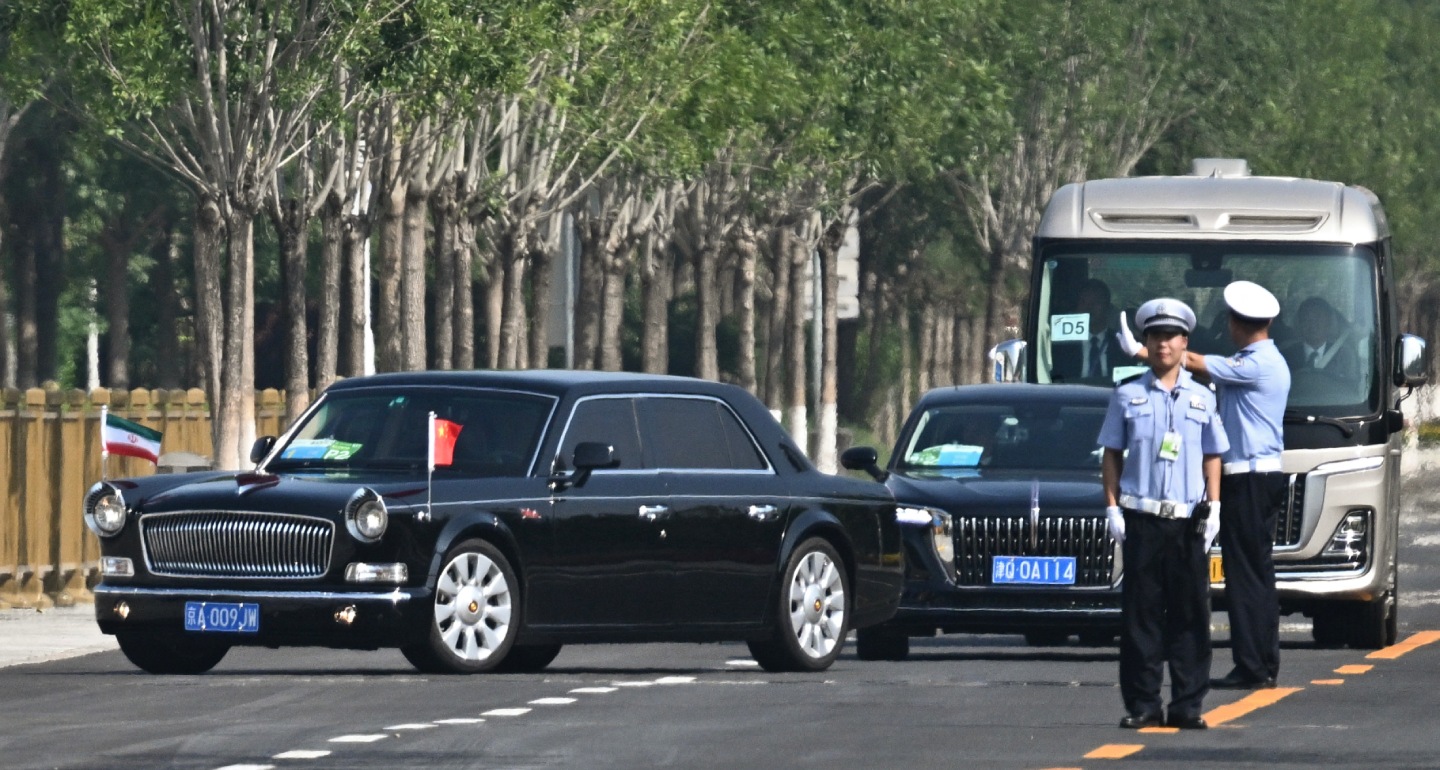
Most of Moscow’s military resources are tied up in Ukraine, while Beijing’s foreign policy prioritizes economic ties and avoids direct conflict.


Alexander Gabuev, Temur Umarov
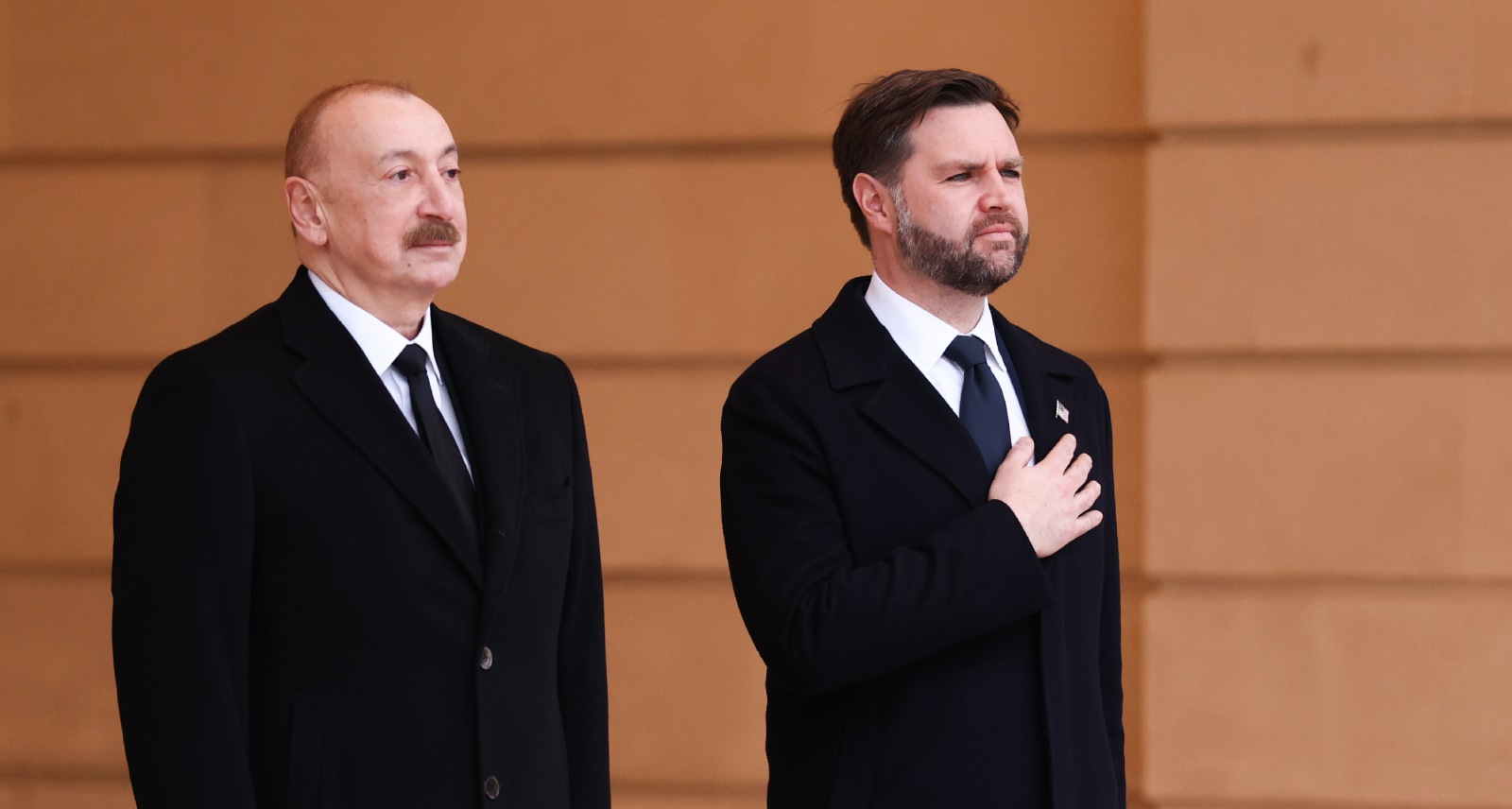
With the White House only interested in economic dealmaking, Georgia finds itself eclipsed by what Armenia and Azerbaijan can offer.

Bashir Kitachaev
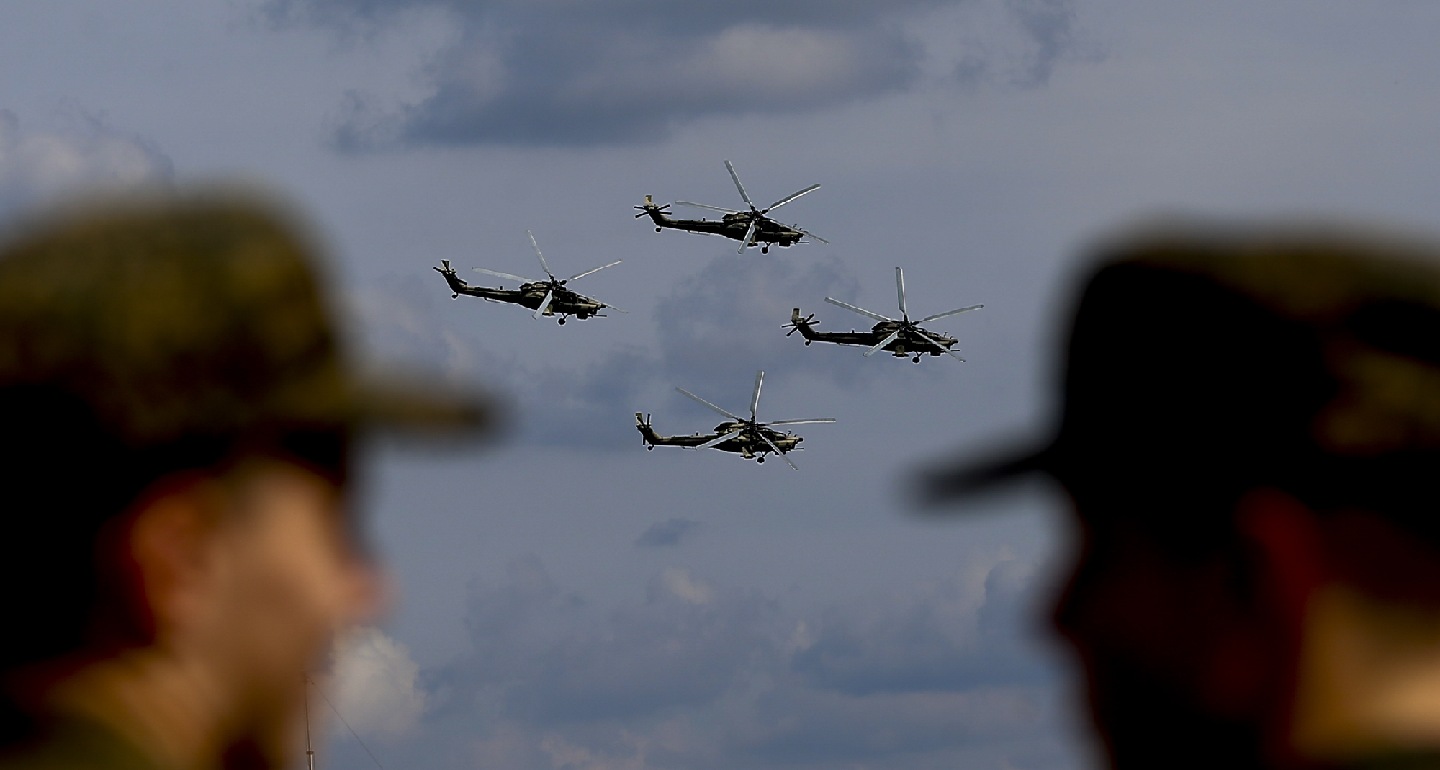
Arms supplies from Russia to Iran will not only continue, but could grow significantly if Russia gets the opportunity.

Nikita Smagin
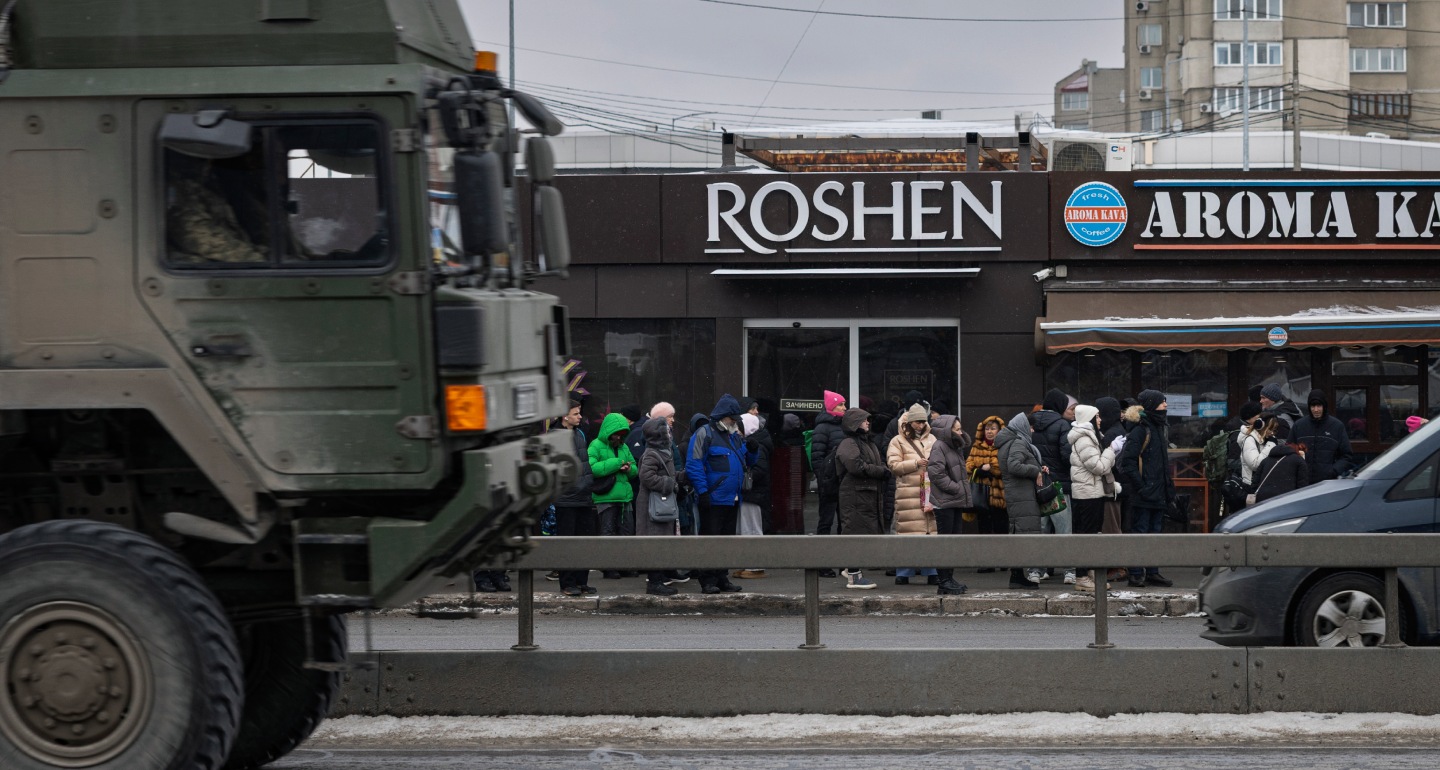
Putin is stalling, waiting for a breakthrough on the front lines or a grand bargain in which Trump will give him something more than Ukraine in exchange for concessions on Ukraine. And if that doesn’t happen, the conflict could be expanded beyond Ukraine.

Alexander Baunov
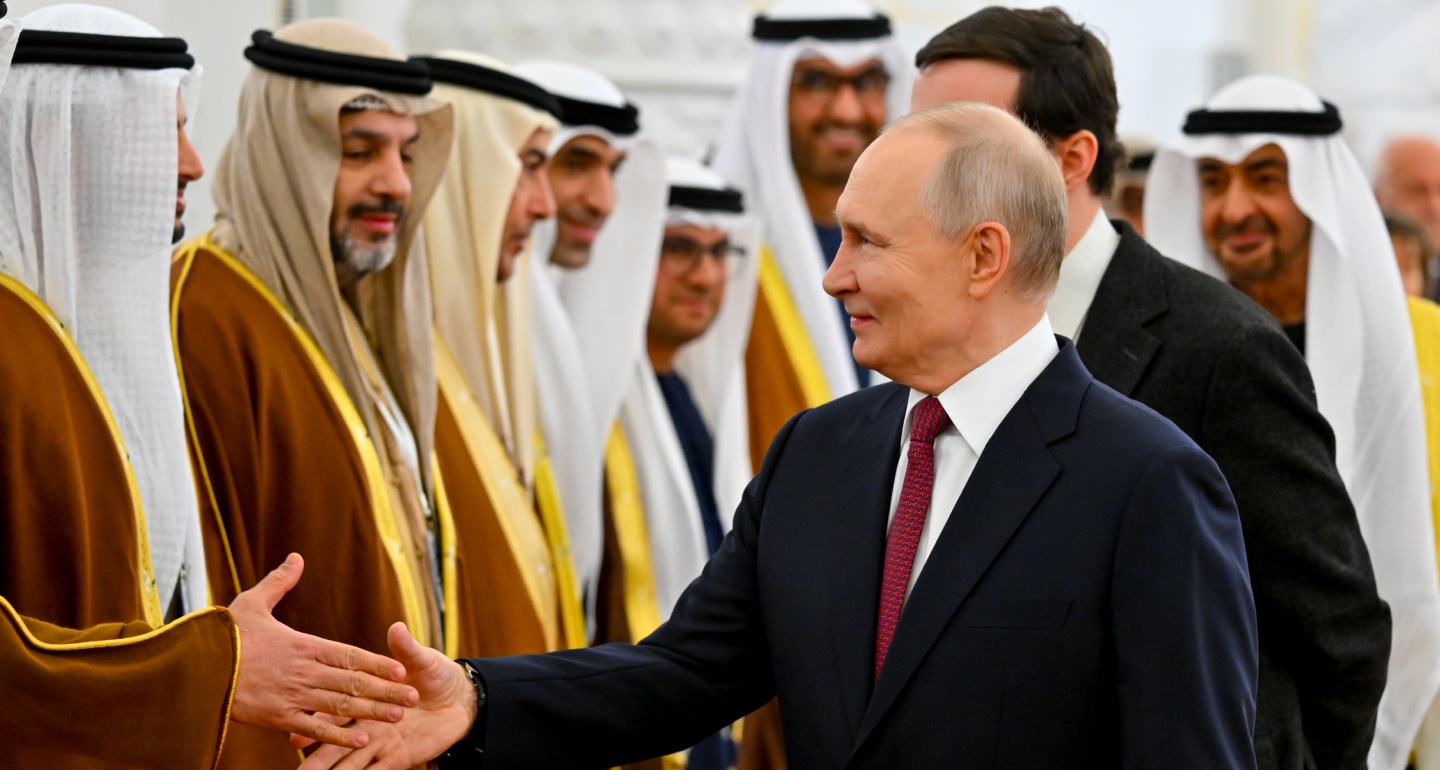
Disillusioned with the West over Gaza, Arab countries are not only trading more with Russia; they are also more willing to criticize Kyiv.

Ruslan Suleymanov