• Research
  • Politika
  • About
Carnegie Russia Eurasia center logoCarnegie lettermark logo
  • Donate
{
  "authors": [
    "Togzhan Kassenova"
  ],
  "type": "legacyinthemedia",
  "centerAffiliationAll": "dc",
  "centers": [
    "Carnegie Endowment for International Peace"
  ],
  "collections": [],
  "englishNewsletterAll": "ctw",
  "nonEnglishNewsletterAll": "",
  "primaryCenter": "Carnegie Endowment for International Peace",
  "programAffiliation": "NPP",
  "programs": [
    "Nuclear Policy"
  ],
  "projects": [],
  "regions": [
    "East Asia",
    "Taiwan"
  ],
  "topics": [
    "Nuclear Policy",
    "Nuclear Energy"
  ]
}
Source: Getty

In The Media

A Black Hole in the Global Nonproliferation Regime: The Case of Taiwan

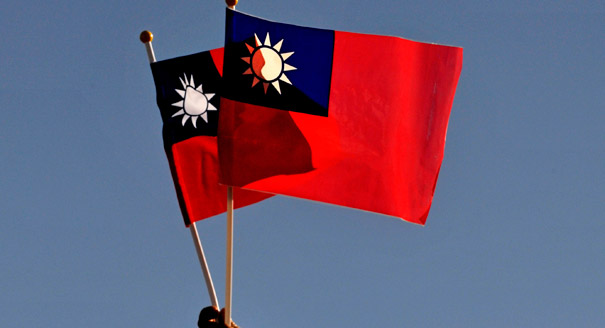
Taiwan is effectively a legal black hole in the realm of nonproliferation cooperation. The international community needs to find a way to ensure a sustainable commitment to nonproliferation by those, like Taiwan, who are outside the international system.

Link Copied
By Togzhan Kassenova
Published on Sep 8, 2011

Source: Nautilus Institute for Security and Sustainability

A Black Hole in the Global Nonproliferation RegimeTaiwan occupies a unique niche in the world community that necessitates enhanced participation in the global nonproliferation regime. It is one of the world’s key suppliers and consumers of high-tech, dual-use goods and technology. It has a reasonably-advanced nuclear energy program that further increases the flow of sensitive materials and technology. The island is located at the intersection of the world’s major sea-lanes, making it a major transit and transshipment hub. Most critically, there have been attempts (some of which succeeded) to smuggle WMD-sensitive goods out of Taiwan, as well as across its territory.  

Despite the critical security concerns arising as a result of these factors, Taiwan is effectively a legal and political ‘black hole’ in the realm of international nonproliferation cooperation. This is due to its ‘non-state’ status, which prevents it from participating in multilateral nonproliferation treaties and export control regimes, and limits its access to information and intelligence sharing from national and international security agencies. In spite of these challenges, Taiwan demonstrates a relatively strong commitment to upholding the principles and objectives of the global nonproliferation regime. However, given the importance of the issue, the international community cannot afford to remain complacent in addressing a key question: how to ensure a sustainable commitment to nonproliferation by an “outsider” to the international system?

About the Author

Togzhan Kassenova
Togzhan Kassenova

Nonresident Fellow, Nuclear Policy Program

Kassenova is a nonresident fellow in the Nuclear Policy Program at the Carnegie Endowment.

    Recent Work

  • Commentary
    How Kazakhstan Fought Back Against Soviet Nuclear Tests
      • Togzhan Kassenova

      Togzhan Kassenova

  • Report
    Perspectives on the Evolving Nuclear Order
      • Togzhan Kassenova

      Toby Dalton, Togzhan Kassenova, Lauryn Williams

Togzhan Kassenova
Nonresident Fellow, Nuclear Policy Program
Togzhan Kassenova
Nuclear PolicyNuclear EnergyEast AsiaTaiwan

Carnegie does not take institutional positions on public policy issues; the views represented herein are those of the author(s) and do not necessarily reflect the views of Carnegie, its staff, or its trustees.
More Work from Carnegie Russia Eurasia Center

  • Commentary
    Carnegie Politika
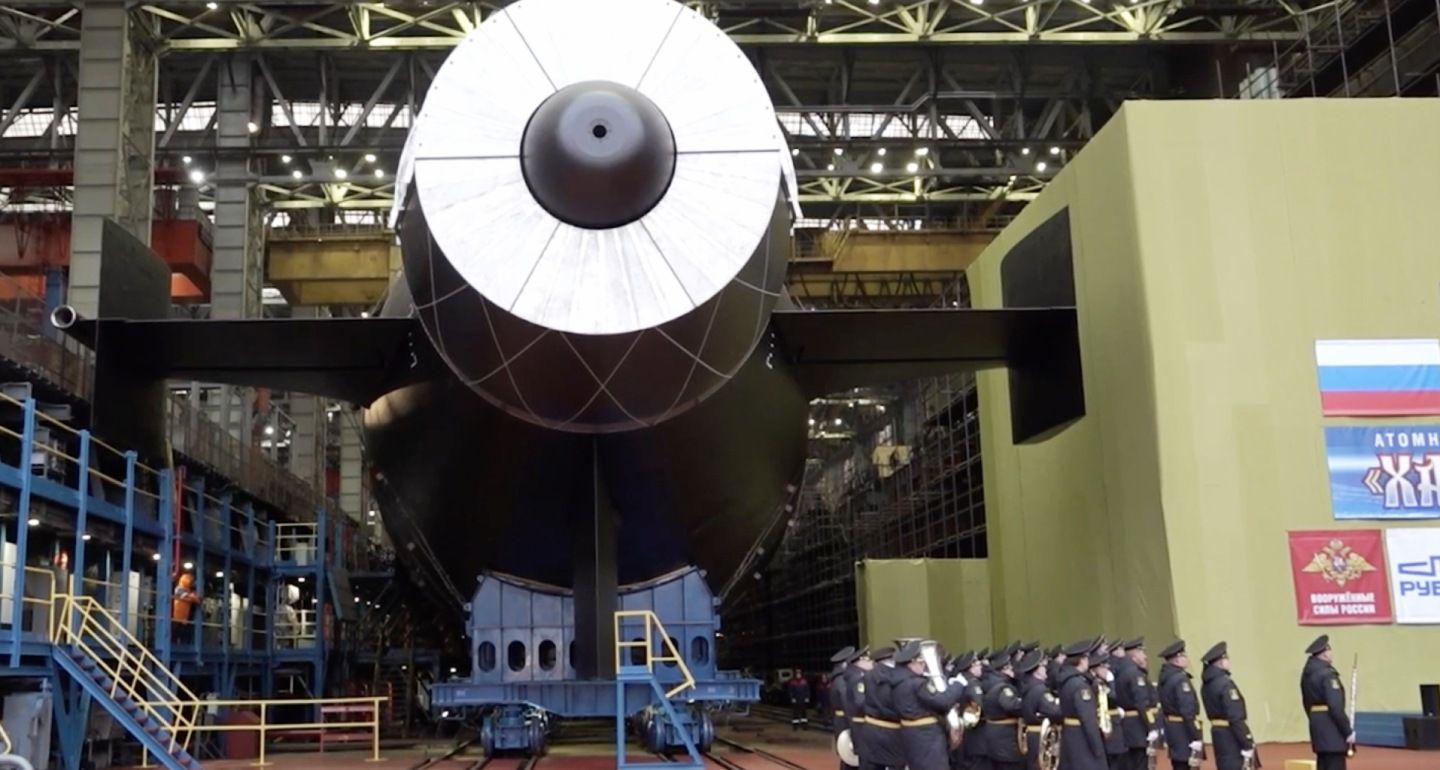
    For Putin, Increasing Russia’s Nuclear Threat Matters More Than the Triad’s Modernization

    For Putin, upgrading Russia’s nuclear forces was a secondary goal. The main aim was to gain an advantage over the West, including by strengthening the nuclear threat on all fronts. That made growth in missile arsenals and a new arms race inevitable.

      Maxim Starchak
  • Commentary
    Carnegie Politika
    Russia’s Latest Weapons Have Left Strategic Stability on the Brink of Collapse

    The Kremlin will only be prepared to negotiate strategic arms limitations if it is confident it can secure significant concessions from the United States. Otherwise, meaningful dialogue is unlikely, and the international system of strategic stability will continue to teeter on the brink of total collapse.

      Maxim Starchak
  • Commentary
    Carnegie Politika
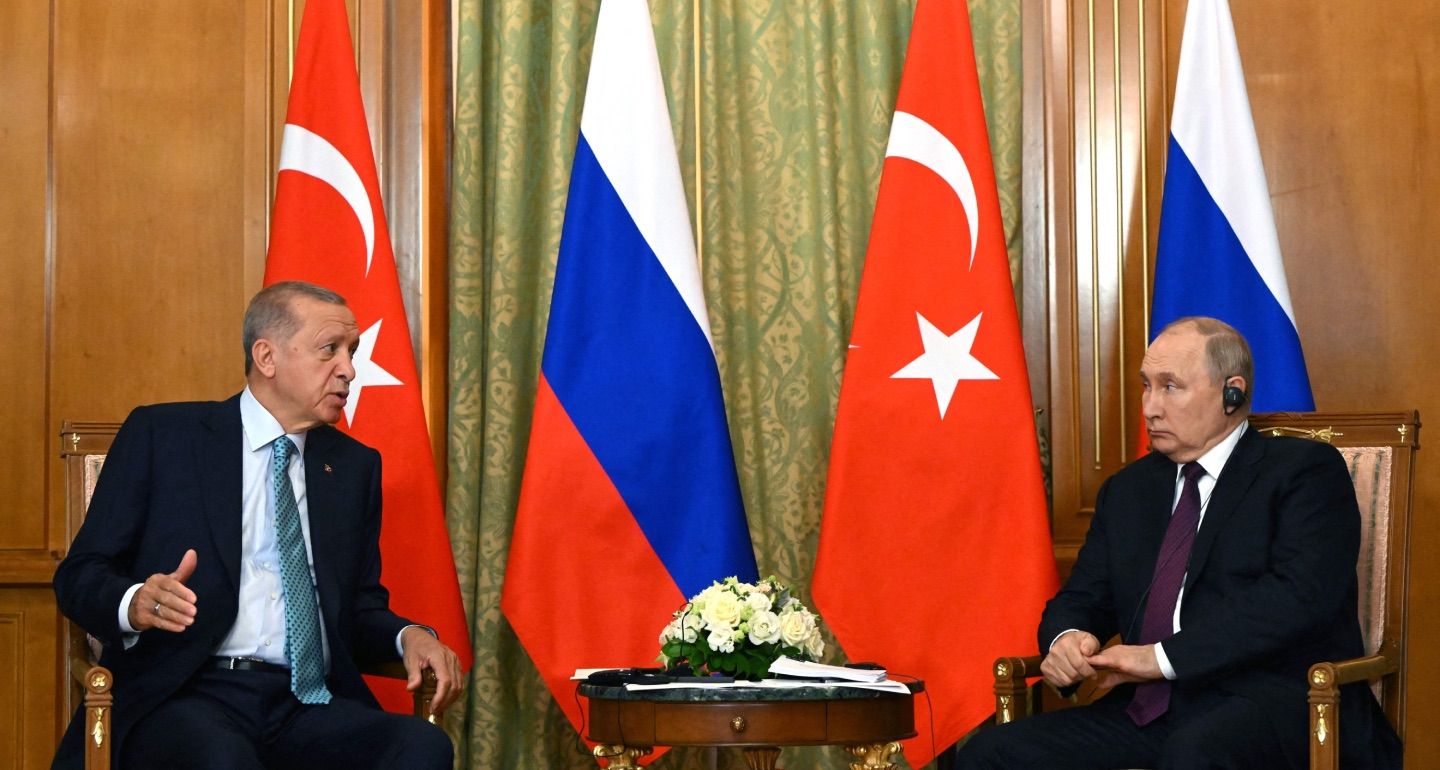
    Russia-Türkiye Ties Falter Amid Stresses of Ukraine War

    Mutual suspicion between Moscow and Ankara is growing as Türkiye cozies up to Washington and NATO while reducing its dependence on Russian energy.  

      Ruslan Suleymanov

  • Commentary
    Carnegie Politika
    Iran’s Twelve-Day War Has Only Boosted Its Cooperation With Russia

    Tehran’s most urgent task is to reduce the risk of further Israeli and U.S. airstrikes. Russia’s role as a deterrent in this respect is more multifaceted than simply supplying weapons, whose real impact will only become apparent many years from now.

      Nikita Smagin

  • Commentary
    Carnegie Politika
    How the Kremlin Lost Trump

    The collapse of the Budapest summit is an inevitable result of the Russian system of artificially creating foreign policy crises in order to achieve a desired outcome.

      Alexander Baunov

Get more news and analysis from
Carnegie Russia Eurasia Center
Carnegie Russia Eurasia logo, white
  • Research
  • Politika
  • About
  • Experts
  • Events
  • Contact
  • Privacy
  • For Media
Get more news and analysis from
Carnegie Russia Eurasia Center
© 2026 Carnegie Endowment for International Peace. All rights reserved.