

Article
Wang Tao
{
  "authors": [
    "Wang Tao"
  ],
  "type": "legacyinthemedia",
  "centerAffiliationAll": "",
  "centers": [
    "Carnegie Endowment for International Peace",
    "Carnegie China"
  ],
  "collections": [],
  "englishNewsletterAll": "",
  "nonEnglishNewsletterAll": "",
  "primaryCenter": "Carnegie China",
  "programAffiliation": "",
  "programs": [],
  "projects": [],
  "regions": [
    "East Asia",
    "China"
  ],
  "topics": [
    "Climate Change"
  ]
}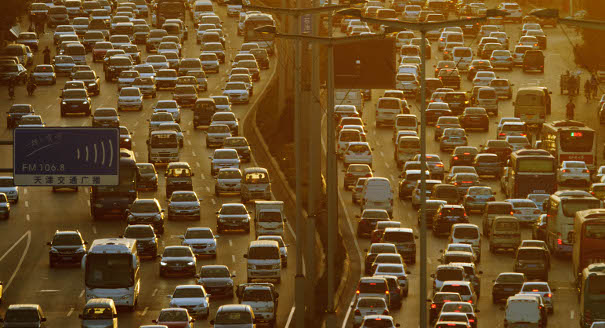
Source: Getty
High levels of smog persist throughout China due to weak enforcement of current environmental regulations. Environmental protection agencies are understaffed and do not have the power to oppose government officials that prioritize GDP growth over environmental protection.
Source: CCTV World Insight
High levels of smog persist throughout China due to weak enforcement of current environmental regulations. In an interview with CCTV’s World Insight, Carnegie-Tsinghua’s Wang Tao explained the various causes of this problem. He pointed out that environmental protection agencies are understaffed and do not have the power to oppose government officials that prioritize GDP growth over environmental protection.
Wang proposed a number of short-term solutions, such as utilizing newer technology that reduces emissions from factories and vehicles as well as ensuring that regulations are enforced. In the long term, though, he said that China needs to reduce its energy reliance on coal and increase the use of other energy sources such as nuclear, hydroelectric, and solar power. Questions remain over how Chinese authorities will create policy incentives and establish the infrastructure necessary for China to decrease its reliance on coal and work toward lower levels of smog. The public, Wang concluded, could play a significant role in exerting necessary pressure on Chinese authorities to address this issue of pollution. He added that lower vehicle usage and electricity consumption by the Chinese public will also have an impact on reducing pollution.
This video inteview was originally aired on CCTV World Insight.
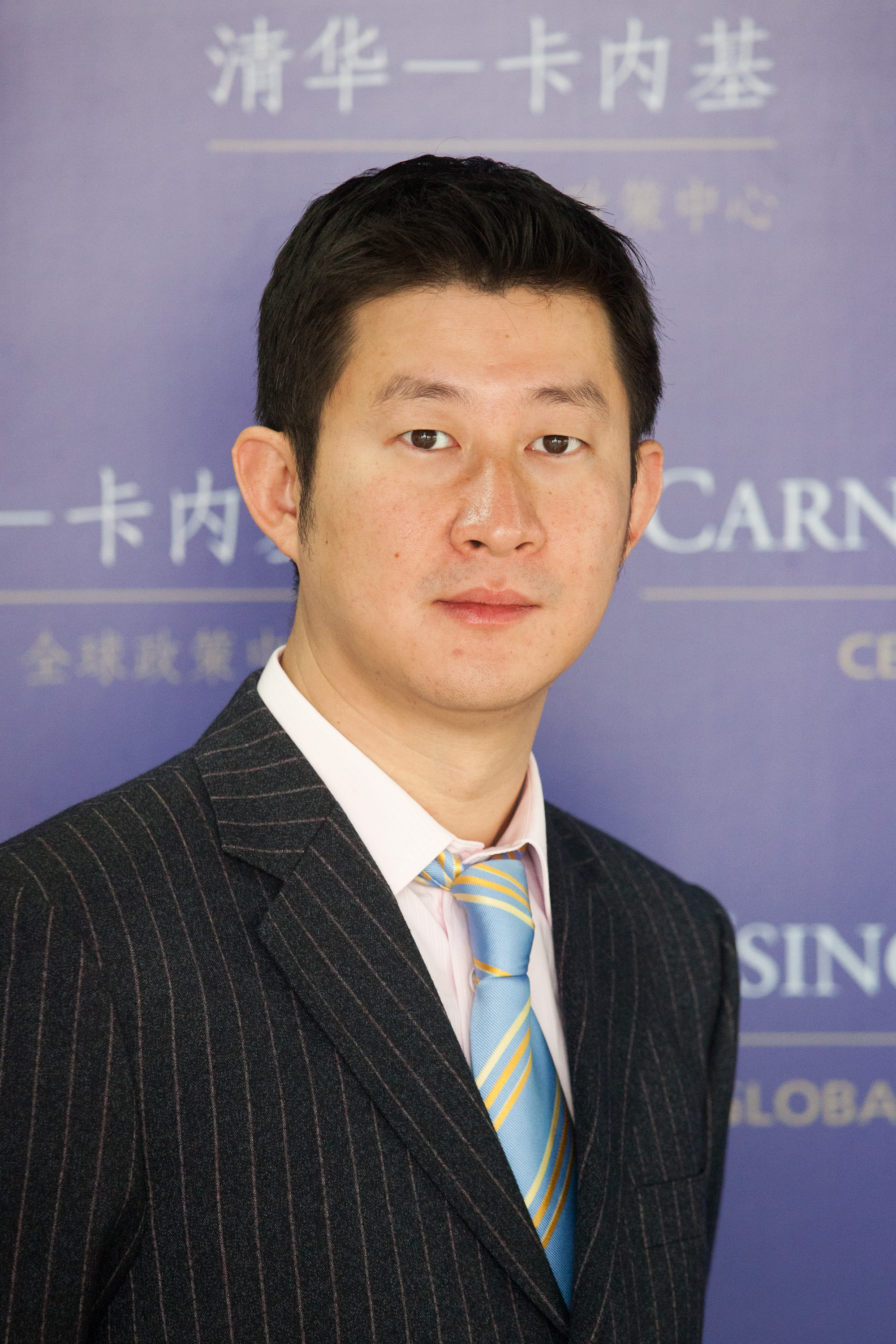
Former Nonresident Scholar, Carnegie-Tsinghua Center for Global Policy
Wang Tao was a nonresident scholar in the Energy and Climate Program based at the Carnegie–Tsinghua Center for Global Policy.
Recent Work
Wang Tao
Wang Tao, Yang Yifang
Carnegie does not take institutional positions on public policy issues; the views represented herein are those of the author(s) and do not necessarily reflect the views of Carnegie, its staff, or its trustees.
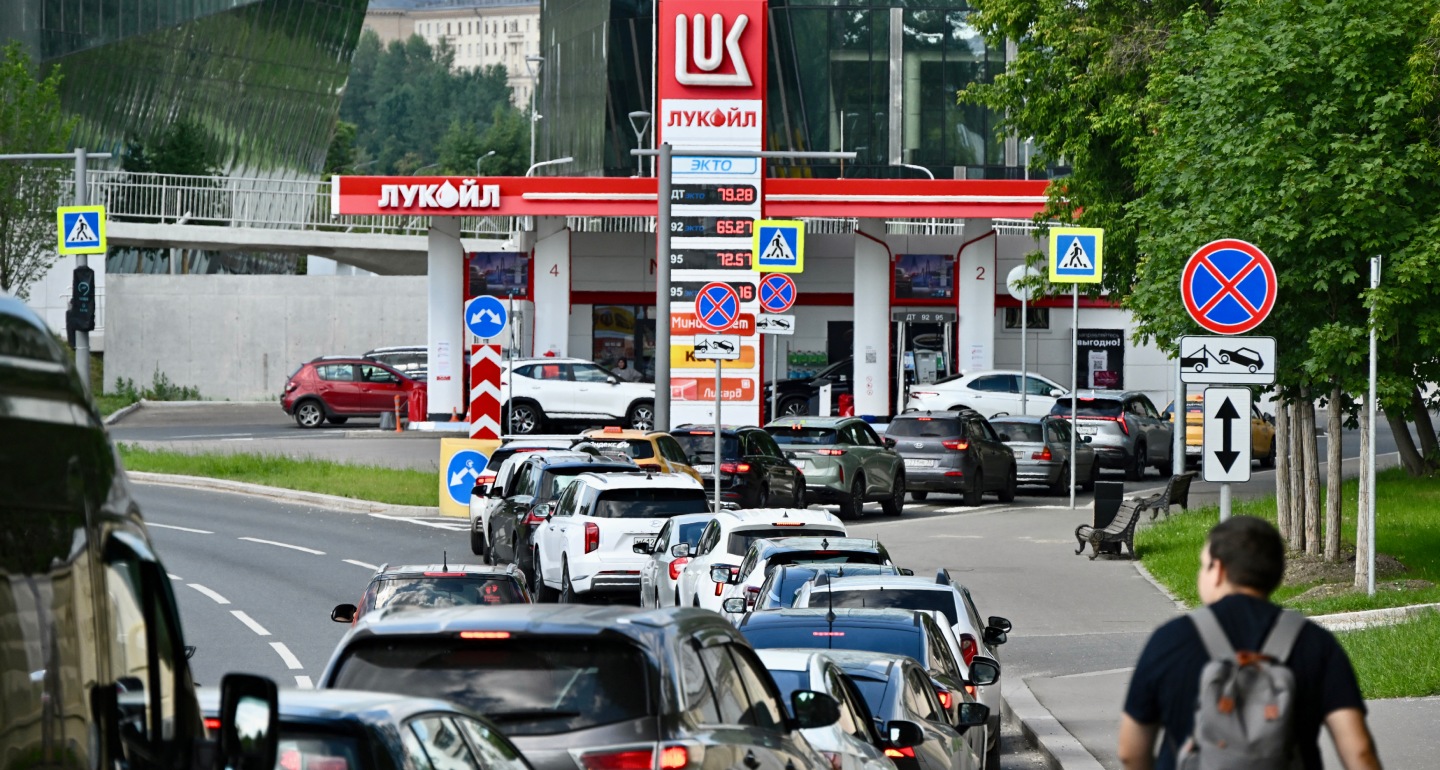
Official discussions about mini oil refineries are unlikely to come to anything—but the mere fact they’re happening reveals the regime is failing to deliver a functioning economy.

Sergey Vakulenko
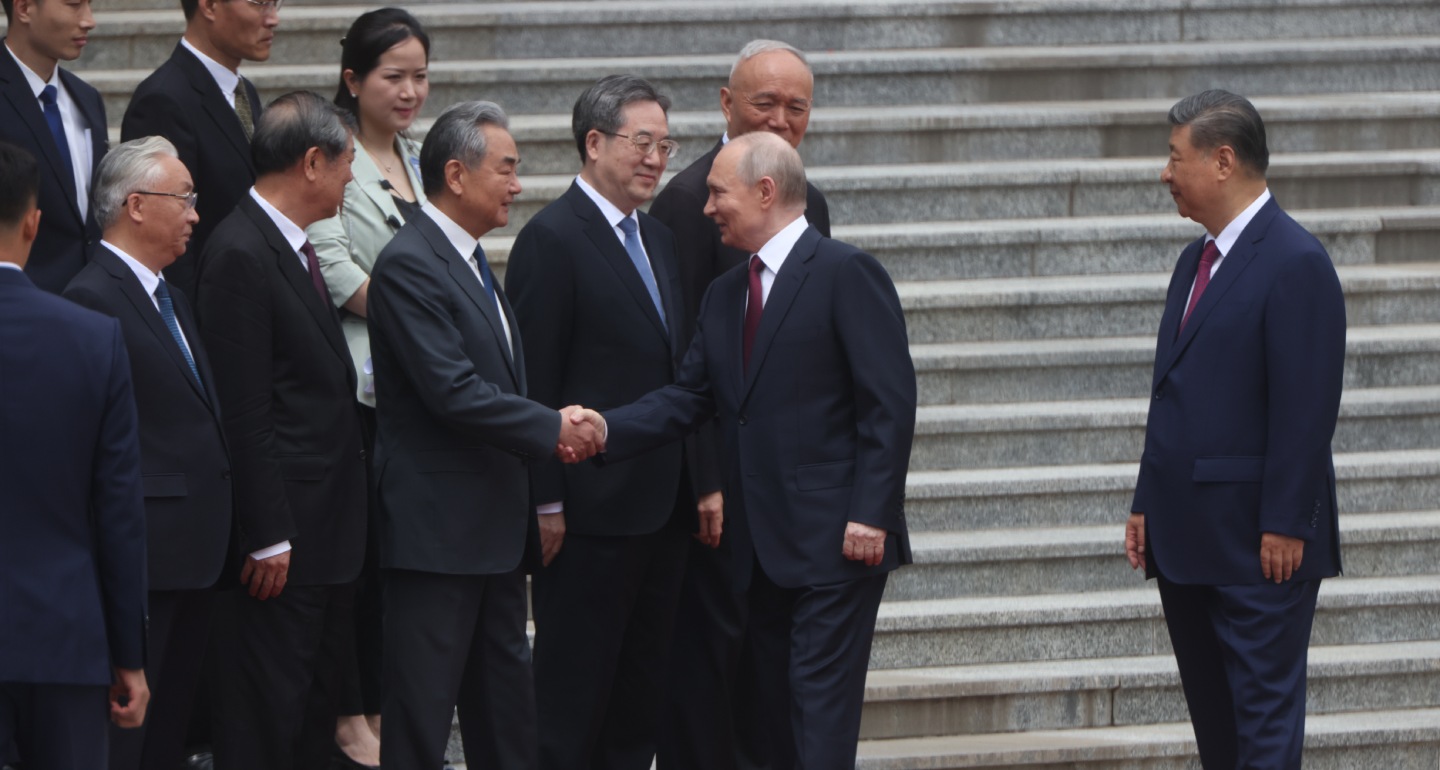
With no key agreement signed on the Power of Siberia 2 gas pipeline, there is a risk that the window of opportunity for Russia will close if Chinese power generation becomes so green that new gas sources are no longer of any interest to Beijing.

Alexander Gabuev
Tokyo would have to surmount a lot of obstacles—not least Western sanctions—if it wanted to return Russian oil imports to even modest pre-2022 volumes.
Vladislav Pashchenko
For the Middle Corridor to fulfill its promises, one of these routes must become scalable. At present, neither is.
Friedrich Conradi
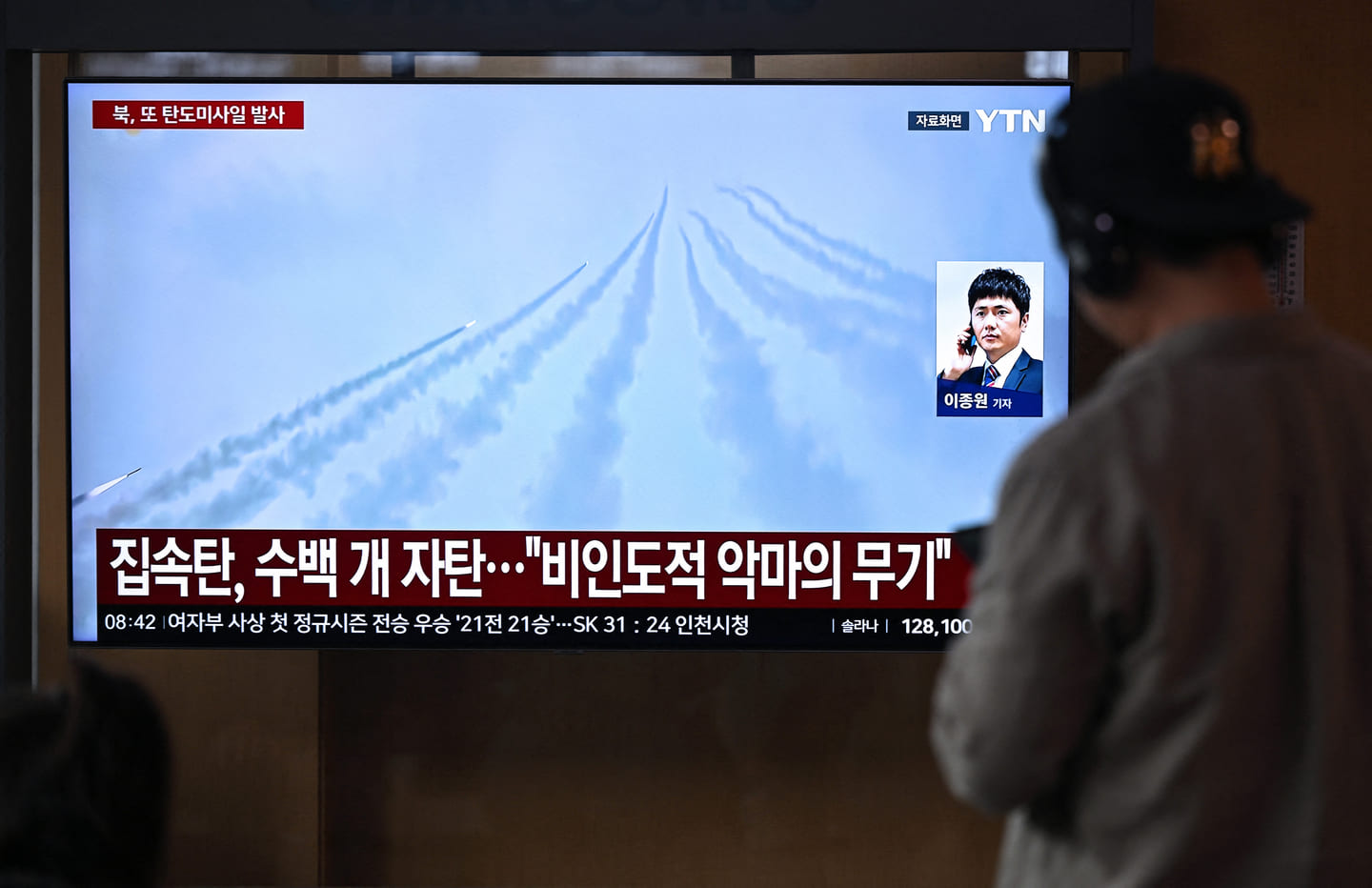
Troubled by the growing salience of nuclear debates in East Asia, Moscow has responded in its usual way: with condemnation and threats. But by exacerbating insecurity, Russia is forcing South Korea and Japan to consider radical security options.

James D.J. Brown