

Commentary
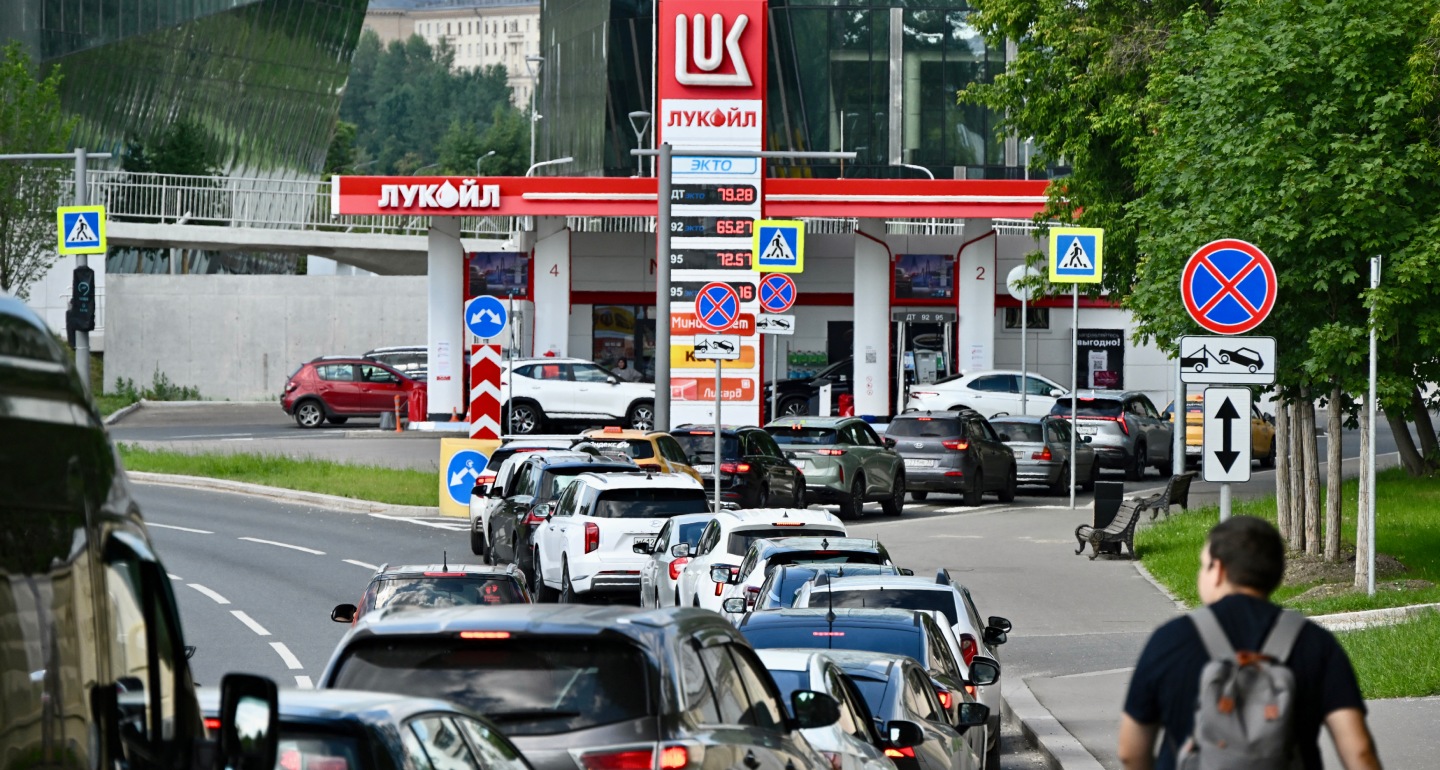
Official discussions about mini oil refineries are unlikely to come to anything—but the mere fact they’re happening reveals the regime is failing to deliver a functioning economy.
Sergey Vakulenko
{
  "authors": [
    "Carole Nakhle",
    "Philip Daniel",
    "Anthony Paul",
    "Salli A. Swartz",
    "Satya Widya Yudha"
  ],
  "type": "other",
  "centerAffiliationAll": "dc",
  "centers": [
    "Carnegie Endowment for International Peace",
    "Malcolm H. Kerr Carnegie Middle East Center"
  ],
  "collections": [],
  "englishNewsletterAll": "menaTransitions",
  "nonEnglishNewsletterAll": "",
  "primaryCenter": "Malcolm H. Kerr Carnegie Middle East Center",
  "programAffiliation": "MEP",
  "programs": [
    "Middle East"
  ],
  "projects": [
    "Carnegie Oil Initiative"
  ],
  "regions": [],
  "topics": [
    "Economy",
    "Climate Change"
  ]
}
Source: Getty
The oil price is the most obvious trigger of change in the relationship between host governments and investors.
Source: Natural Resource Governance Institute
This year, the NRGI conference focused on the implications of falling commodity prices, bringing together policy makers, practitioners, academics and other leading experts (including many from developing countries) to discuss the salient policy and governance challenges and the latest analysis on these issues. The conference provided a forum for highly interactive debate, showcasing new thinking, policy experience and emerging practice.
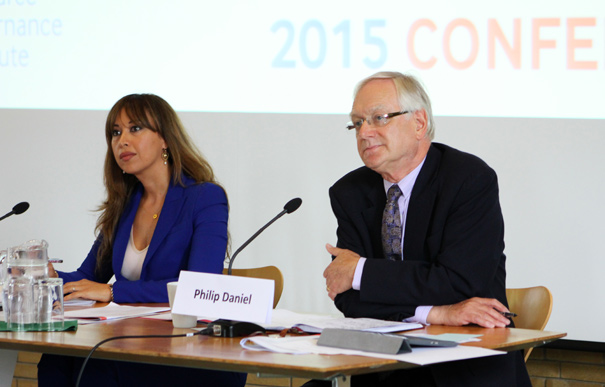
Carnegie’s Carole Nakhle initiated the talk with a discussion on the oil price’s impact on the bargaining power between host governments and investors at the negotiating table.

Former Nonresident Scholar, Middle East Center
Nakhle was a nonresident scholar at Carnegie Middle East Center, specializing in international petroleum contracts and fiscal regimes for the oil and gas industry, world oil and gas market developments, energy policy, and oil and gas revenue management.
Philip Daniel
Anthony Paul
Salli A. Swartz
Satya Widya Yudha
Carnegie does not take institutional positions on public policy issues; the views represented herein are those of the author(s) and do not necessarily reflect the views of Carnegie, its staff, or its trustees.
Official discussions about mini oil refineries are unlikely to come to anything—but the mere fact they’re happening reveals the regime is failing to deliver a functioning economy.

Sergey Vakulenko

A much-discussed disagreement over internet restrictions in Russia was never an existential threat for Putin: It was about elite groups protecting their interests.

Alexandra Prokopenko

The demands of the Kremlin’s war in Ukraine, demographic problems, and public hostility toward Central Asians mean Russia does not have enough workers.
Salavat Abylkalikov
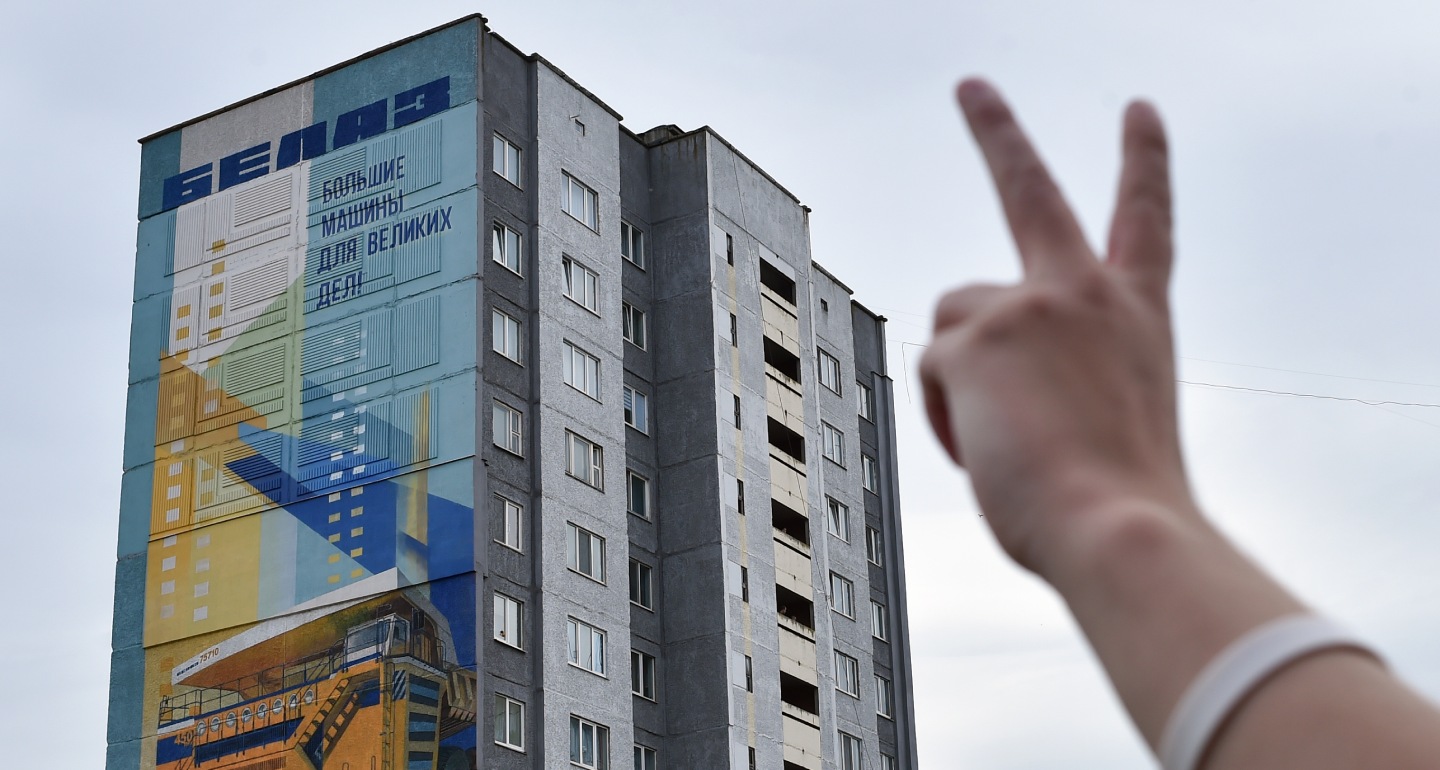
Minsk’s faith in the future of its larger neighbor’s economy is fading as Belarusian firms in Russia see record losses.

Olga Loiko
The cost of air defense has become an unregistered tax on revenue for businesses. While military rents are consolidated in the federal budget, the costs of defense are being spread across the balance sheets of companies and regional governments.
Alexandra Prokopenko