

Paper
Renad Mansour, Faleh A. Jabar
{
  "authors": [
    "Renad Mansour"
  ],
  "type": "legacyinthemedia",
  "centerAffiliationAll": "",
  "centers": [
    "Carnegie Endowment for International Peace",
    "Malcolm H. Kerr Carnegie Middle East Center"
  ],
  "collections": [],
  "englishNewsletterAll": "",
  "nonEnglishNewsletterAll": "",
  "primaryCenter": "Malcolm H. Kerr Carnegie Middle East Center",
  "programAffiliation": "",
  "programs": [],
  "projects": [],
  "regions": [
    "Levant",
    "Iraq",
    "Middle East"
  ],
  "topics": [
    "Political Reform"
  ]
}
Source: Getty
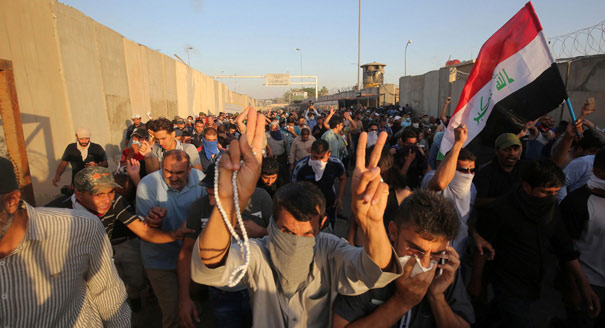
Iraqi Prime Minister Abadi is going to have to pay attention to demands for institutional and structural change coming from the protests led by Shia cleric Muqtada Al-Sadr.
Source: TRT World
Carnegie’s Renad Mansour joined TRT World to dicuss on-going significant developments in Iraqi politics. Primarily, Mansour commented on the protests led by Shia cleric Muqtada Al-Sadr and Iraqi Prime Minister Abadi’s cabinet reshuffle and reforms.
Mansour argued that Abadi would have to listen to Al-Sadr’s demands for institutional and structural change, and Abadi knows it. He reiterated that Abadi himself is moving in the direction of reform and working towards establishing a technocratic cabinet.
Mansour discussed how Al-Sadr was able to mobilize large support for sit-ins and protests both inside and outside the Green Zone. Al-Sadr’s support primarily comes from southern Iraq and Baghdad but his increased acceptance and support is related to Al-Sadr’s efforts to rebrand himself as an Iraqi nationalist.

Former El-Erian Fellow, Middle East Center
Mansour was an El-Erian fellow at the Carnegie Middle East Center, where his research focuses on Iraq, Iran, and Kurdish affairs.
Recent Work
Renad Mansour, Faleh A. Jabar
Renad Mansour
Carnegie does not take institutional positions on public policy issues; the views represented herein are those of the author(s) and do not necessarily reflect the views of Carnegie, its staff, or its trustees.

In the discussions made possible by the State Duma election campaign, one question is being asked more and more loudly. “What next?”

Andrey Pertsev
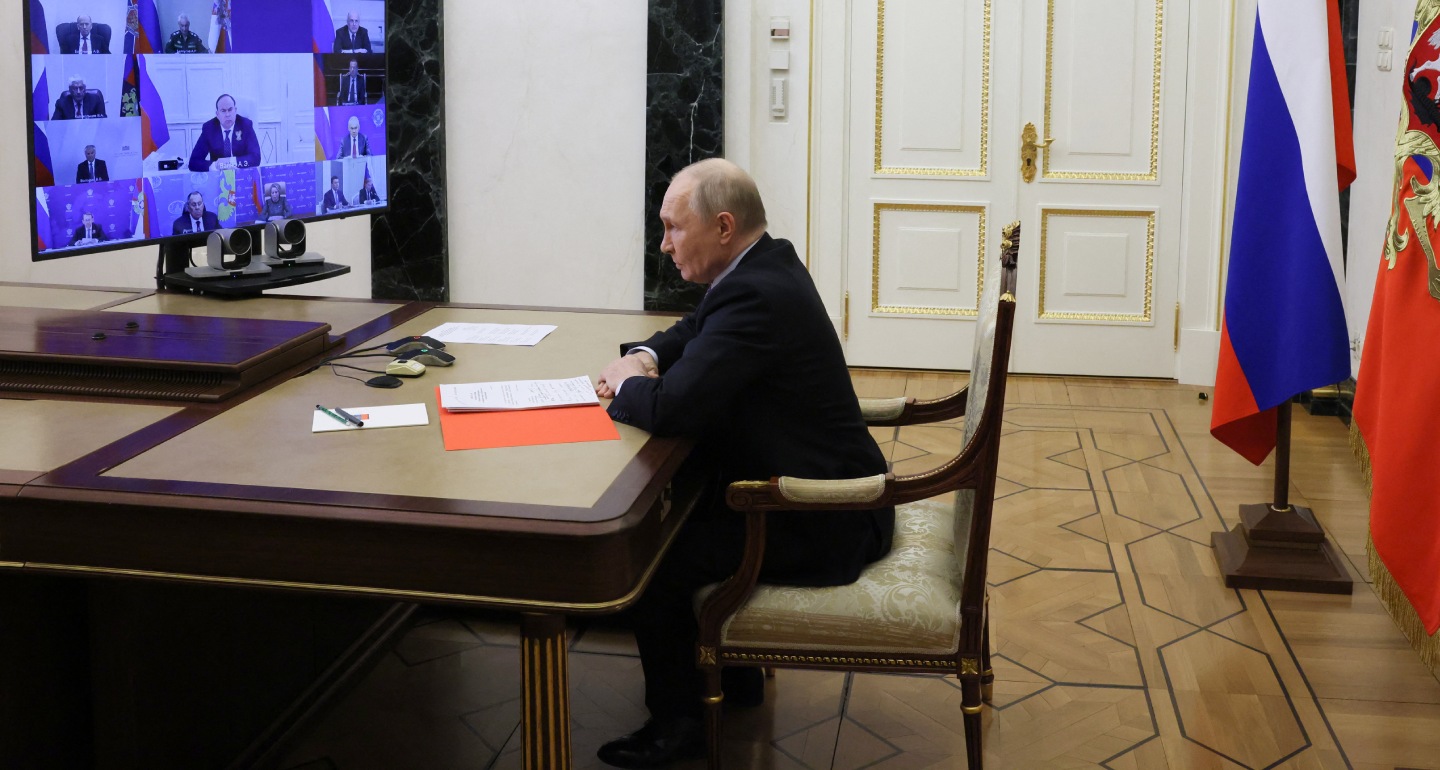
Two divergent trends—Putin’s hardline vision of how to prosecute the war in Ukraine, and a growing desire for change in Russia—could tear the regime apart.

Tatiana Stanovaya
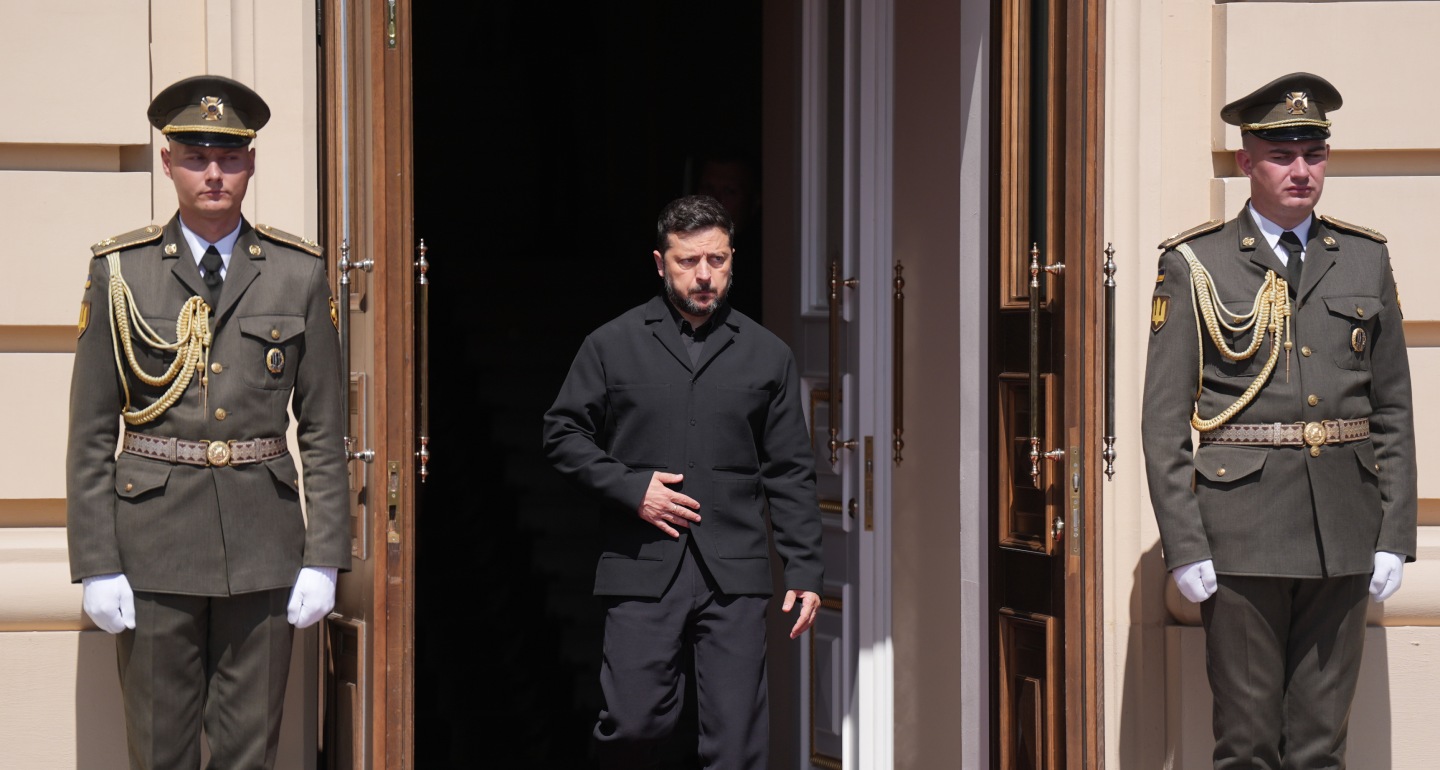
Ultimately, Zelensky sided neither with the reform camp nor with the military establishment as such, but with political control.

Balázs Jarábik
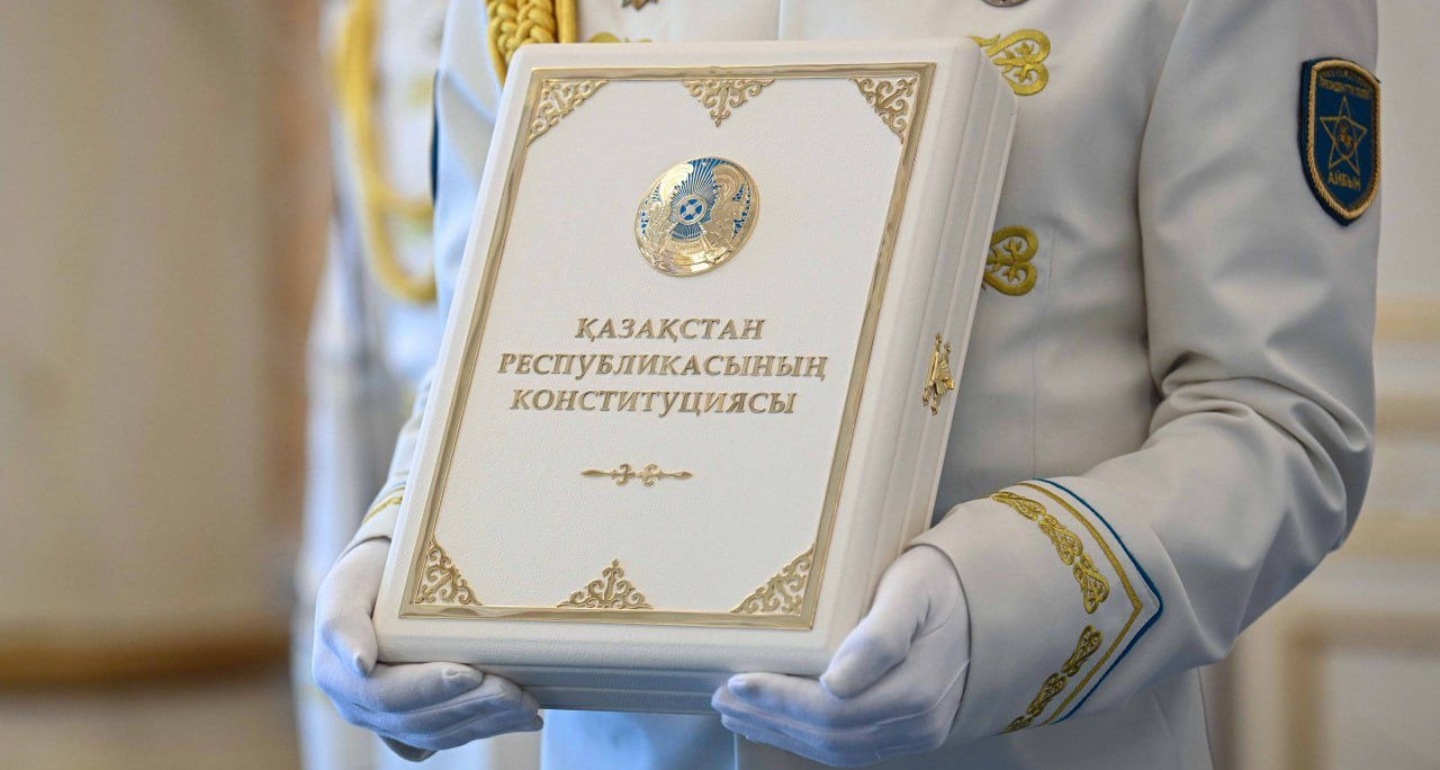
Tokayev’s predecessor, Nursultan Nazarbayev, outlined arrangements for a power transition too soon and in too much detail, ultimately losing control over the process. Tokayev is determined not to meet the same fate.

Temur Umarov
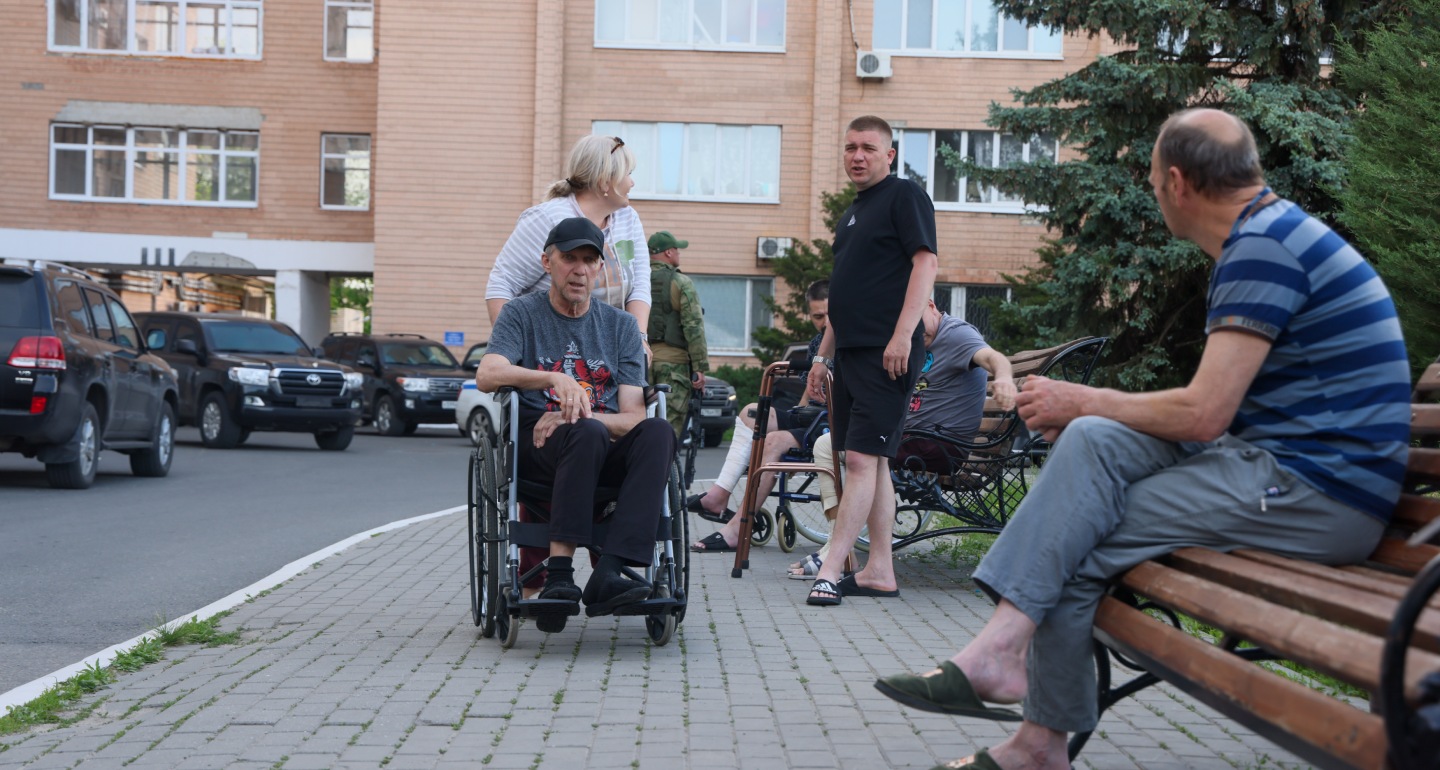
Despite unhappiness on the ground, Moscow is determined to use both carrot and stick to ensure there is record support for United Russia in occupied Ukraine.

Konstantin Skorkin