

Commentary
- +1
Paul Haenle, Xue Gong, Ngeow Chow Bing, …
{
  "authors": [
    "Paul Haenle"
  ],
  "type": "legacyinthemedia",
  "centerAffiliationAll": "",
  "centers": [
    "Carnegie Endowment for International Peace",
    "Carnegie China"
  ],
  "collections": [
    "U.S.-China Relations",
    "China’s Foreign Relations"
  ],
  "englishNewsletterAll": "",
  "nonEnglishNewsletterAll": "",
  "primaryCenter": "Carnegie China",
  "programAffiliation": "",
  "programs": [],
  "projects": [],
  "regions": [
    "North America",
    "United States",
    "East Asia",
    "China"
  ],
  "topics": [
    "Foreign Policy"
  ]
}
Source: Getty
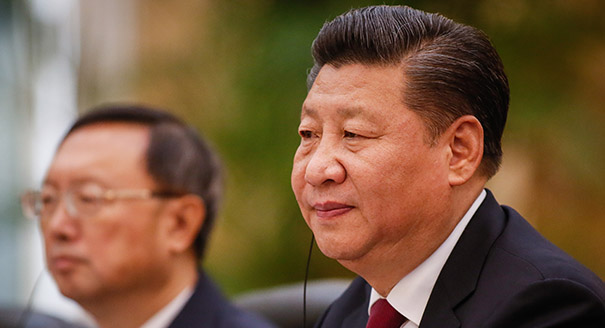
Chinese experts say that the country is beginning to take a more proactive approach to foreign affairs, and shifting from a focus of integrating into the international system to shaping it.
Source: ChinaFile
ChinaFile: On February 17th, China’s Communist Party Chairman Xi Jinping announced what he called the “two guidances.” Beijing should now “guide the international community to jointly build a more just and reasonably new world order,” Xi said in an important national security meeting, and “guide the international community to jointly maintain international security.” Those are the most assertive public statements Xi has made so far about China’s role in shaping the international system. As Trump declares that Washington’s new strategy is an isolationist “America First,” is Beijing moving away from a reactive foreign policy strategy? If so, how will—and how should—Beijing try to shape the new world order?
Paul Haenle: Since Xi Jinping’s elevation to power in 2012, Chinese scholars at the Carnegie–Tsinghua Center have been discussing their concept of a “new international order.” While China acknowledges that it has benefited enormously from the post-WWII international order, the rules of the existing order were made without it at the table. Now that China is more powerful, it wants greater influence, and to reform the system to better suit its interests. To this end, Chinese experts say that the country is beginning to take a more proactive approach to foreign affairs, and shifting from a focus of integrating into the international system to shaping it. This idea is not necessarily a “Trump phenomenon.” Indeed, during the Obama administration, China launched the Asian Infrastructure Investment Bank (AIIB) and One Belt, One Road Initiative in this vein.
Xi’s remarks at the seminar on national security were more or less in keeping with this trend. He said that China’s goal is not to replace the existing order but to play a more proactive role in “guiding” and reforming the international system. Whereas in the past, China’s foreign policy was primarily defined by what China opposed—i.e. hegemony, interference, and aggression—going forward Chinese scholars say it will be defined by what China supports. This raises the question: What are the changes or new norms that China would like to see guide a new international order?
On the one hand, nervousness about Trump may be pushing China to defend the rules and norms that the United States has for years hoped it would embrace. Xi’s speech at the World Economic Forum in Davos in January was less a signal of China’s desire to supplant U.S. leadership, and more an expression of China’s reluctant willingness to defend globalization and other international efforts in which China now has a stake, like global trade and climate change. As the Council on Foreign Relations’ Liz Economy recently pointed out, China has a long way to go before it can credibly be seen as the defender or leader of globalization. Moreover, Beijing has yet to demonstrate an interest or capacity to lead on costly, protracted international security challenges. In making the case for globalization, China sees an opportunity to defend its domestic economic and security interests and burnish its international image.
At the same time, China’s leaders recognize the void created by President Trump’s questioning of America’s traditional global leadership role, and are beginning to fill it. As the United States withdraws from the trade agreement the Trans-Pacific Partnership and awaits the appointment of key policymakers who will help set the vision for the new administration’s approach to the Asia-Pacific, China is moving forward with its own agenda. Even if President Trump’s Asia policy comes to reflect relative continuity with the frameworks of past U.S. administrations, this will not be a sufficient substitute for strong U.S. leadership on the global stage. The strength and power of our alliances and partnerships depends on America’s clout around the world. In the absence of U.S. global leadership, there will be more room for Xi’s China to step in.

Former Maurice R. Greenberg Director’s Chair, Carnegie China
Paul Haenle held the Maurice R. Greenberg Director’s Chair at the Carnegie Endowment for International Peace and is a visiting senior research fellow at the East Asian Institute, National University of Singapore. He served as the White House China director on the National Security Council staffs of former presidents George W. Bush and Barack Obama.
Recent Work


Paul Haenle, Xue Gong, Ngeow Chow Bing, …

Paul Haenle, Chong Ja Ian
Carnegie does not take institutional positions on public policy issues; the views represented herein are those of the author(s) and do not necessarily reflect the views of Carnegie, its staff, or its trustees.

With the growth in points of friction between the great powers, organizations like the SCO will continue to play a role in the strategic adaptation of the smaller powers caught between them.

Temur Umarov

When faced with fuel shortages in the past, Central Asian governments could always count on additional supplies from Moscow. That safety net no longer exists.

Galiya Ibragimova

Despite unhappiness on the ground, Moscow is determined to use both carrot and stick to ensure there is record support for United Russia in occupied Ukraine.

Konstantin Skorkin
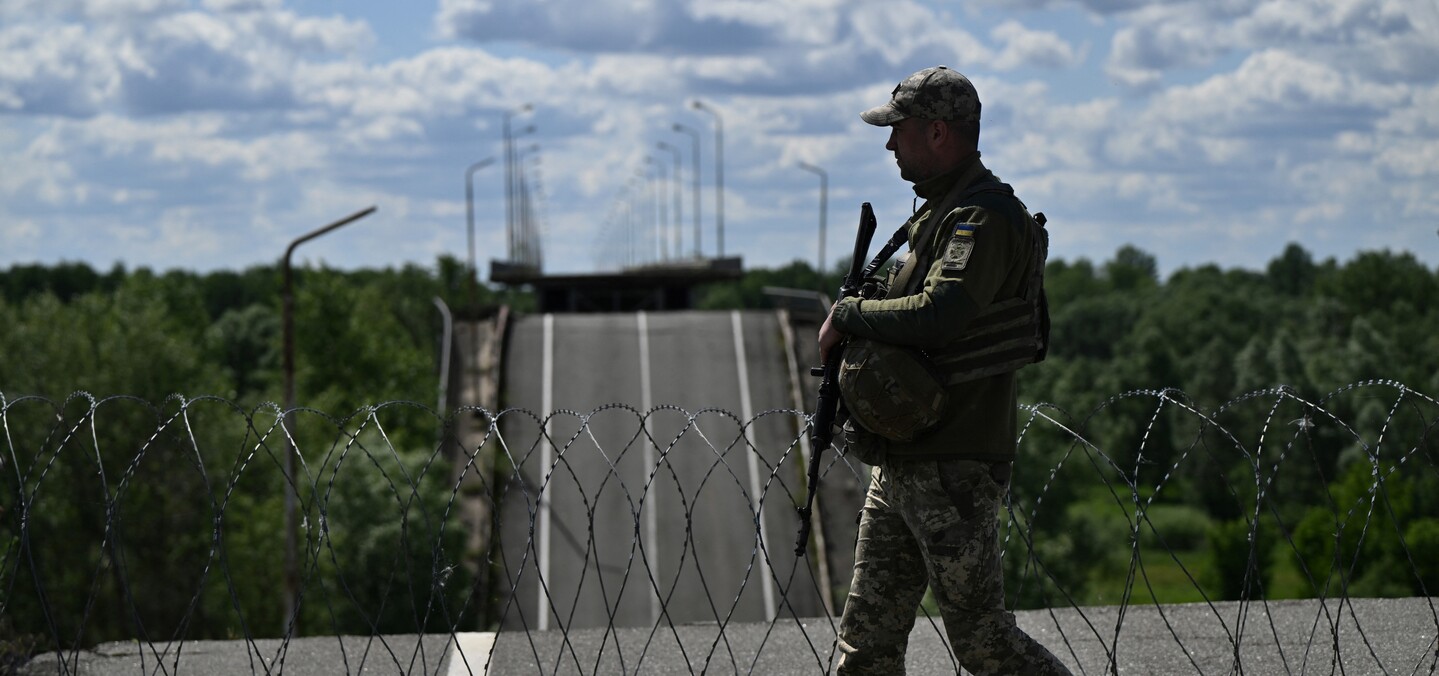
The recent damage inflicted by Ukrainian drones and missiles on Russia has made Belarus aware of its own vulnerabilities—and surprisingly amenable to Kyiv’s demands.

Artyom Shraibman
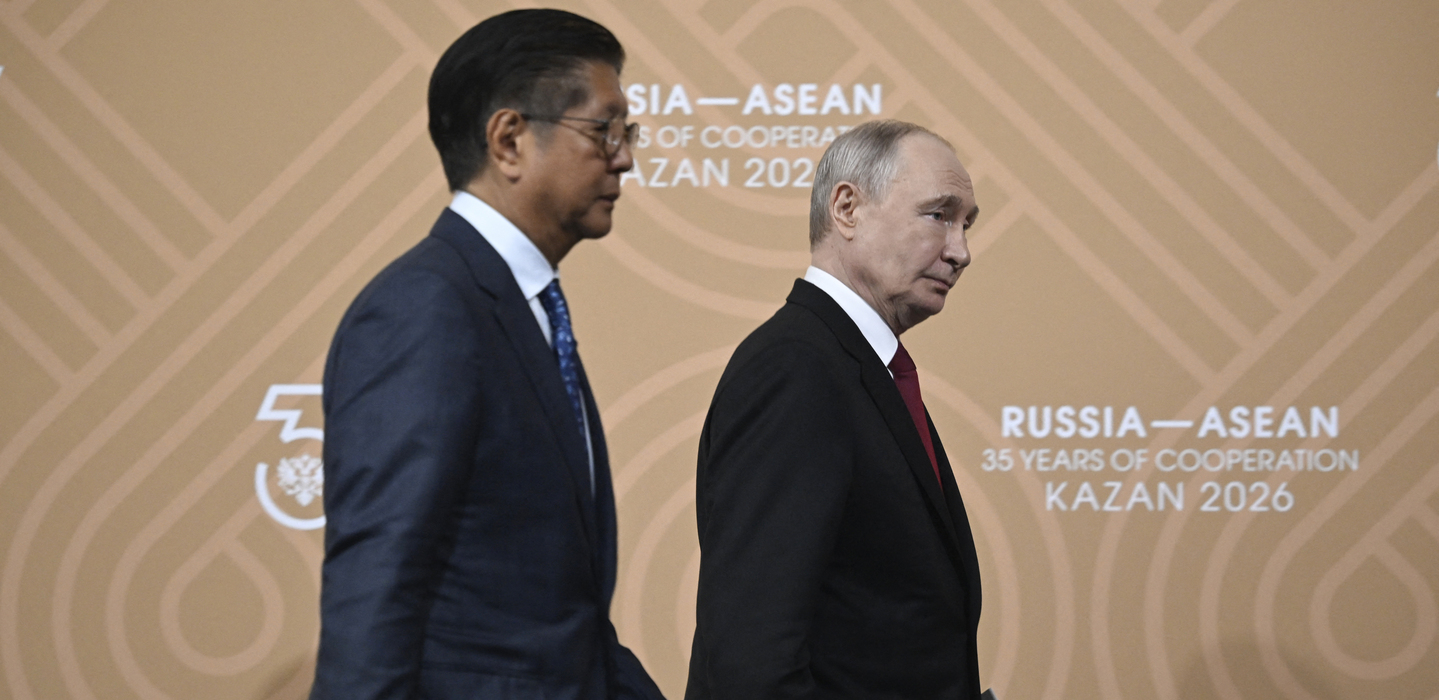
Russia looks set to reap economic benefits from closer ties with Southeast Asian countries that are keen to find reliable energy suppliers and diversify trade ties.

Alexander Gabuev