

Paper
Ananth Padmanabhan, R. Shashank Reddy, Shruti Sharma
{
  "authors": [
    "Ananth Padmanabhan"
  ],
  "type": "legacyinthemedia",
  "centerAffiliationAll": "",
  "centers": [
    "Carnegie Endowment for International Peace",
    "Carnegie India"
  ],
  "collections": [],
  "englishNewsletterAll": "",
  "nonEnglishNewsletterAll": "",
  "primaryCenter": "Carnegie India",
  "programAffiliation": "",
  "programs": [],
  "projects": [],
  "regions": [
    "India"
  ],
  "topics": [
    "Technology"
  ]
}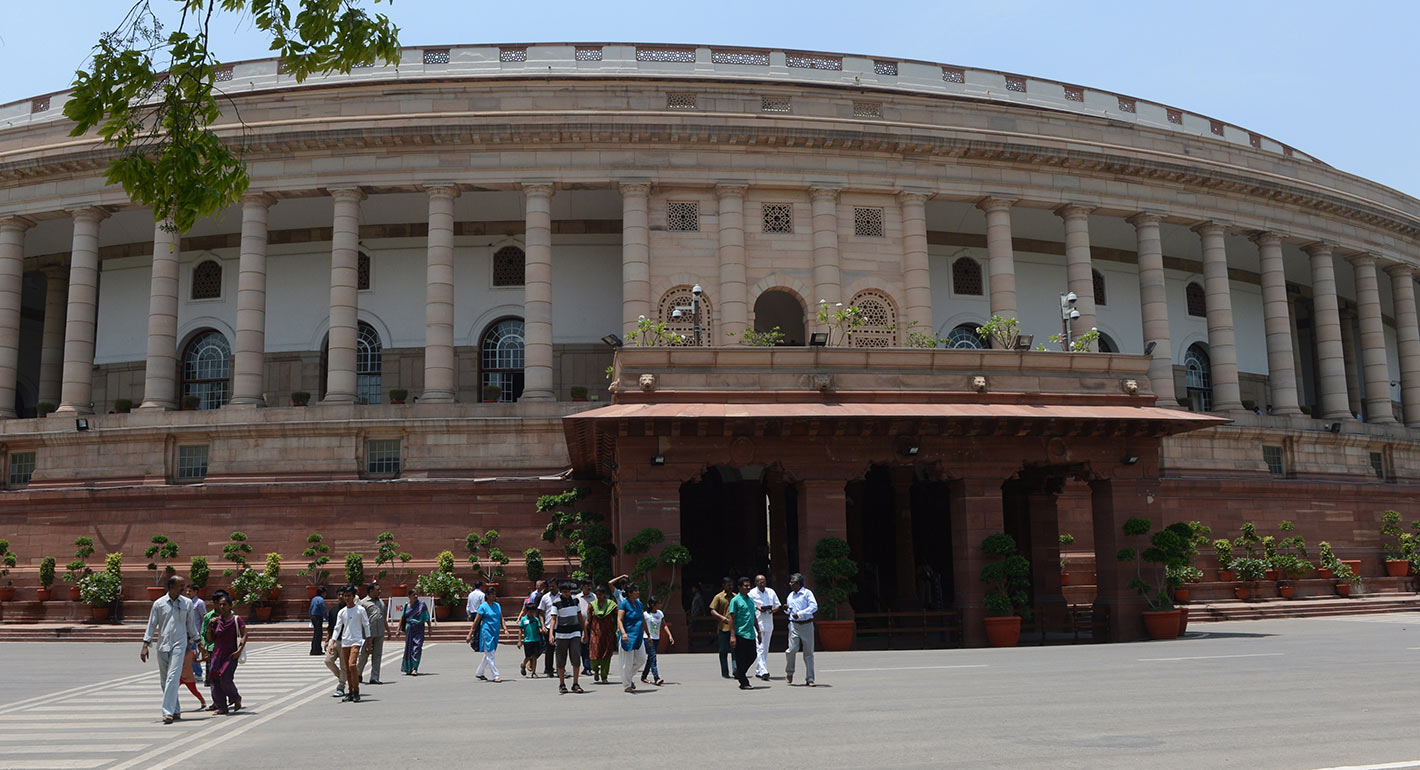
Source: Getty
The Supreme Court’s decision in Justice Puttaswamy v. Union of India finally lays to rest all doubts about privacy’s claim to the pantheon of fundamental rights.
Source: Print
The Supreme Court’s decision in Justice Puttaswamy v. Union of India finally lays to rest all doubts about privacy’s claim to the pantheon of fundamental rights. A clever-by-half submission raised by the Union to nip the constitutional challenge to Aadhaar in the bud resulted in today’s nine-judge verdict.
Former Fellow, Carnegie India
Ananth Padmanabhan was a fellow at Carnegie India, based in New Delhi. His primary research focus is technology, regulation, and public policy, and the intersection of these three fields within the Indian context.
Recent Work

Ananth Padmanabhan, R. Shashank Reddy, Shruti Sharma
Ananth Padmanabhan
Carnegie does not take institutional positions on public policy issues; the views represented herein are those of the author(s) and do not necessarily reflect the views of Carnegie, its staff, or its trustees.
While France and Australia are seeking to establish the legal obligations of messaging apps like Telegram, Russia wants total subordination.

Maria Kolomychenko

With the growth in points of friction between the great powers, organizations like the SCO will continue to play a role in the strategic adaptation of the smaller powers caught between them.

Temur Umarov

The war in Ukraine and a change in ownership led VK to neglect its commercial ventures in favor of implementing the Kremlin’s online agenda. Now it’s been sanctioned by the EU.
Maria Kolomychenko

When political power is concentrated in the hands of a small circle of people, a country invariably ends up with technological stagnation.
Aleksei Kiselev

With its scattershot approach to enforcing internet censorship, the Russian regime risks losing a battle against the many Russians who have learned to evade online restrictions.
Maria Kolomychenko