

Article
- +1
Rudra Chaudhuri, Tejas Bharadwaj, Konark Bhandari, …
{
  "authors": [
    "Rudra Chaudhuri"
  ],
  "type": "other",
  "centerAffiliationAll": "",
  "centers": [
    "Carnegie Endowment for International Peace",
    "Carnegie India"
  ],
  "collections": [],
  "englishNewsletterAll": "",
  "nonEnglishNewsletterAll": "",
  "primaryCenter": "Carnegie India",
  "programAffiliation": "",
  "programs": [],
  "projects": [
    "Security Studies"
  ],
  "regions": [
    "United States",
    "Asia",
    "South Asia",
    "Pakistan",
    "India"
  ],
  "topics": [
    "Foreign Policy"
  ]
}
Source: Getty
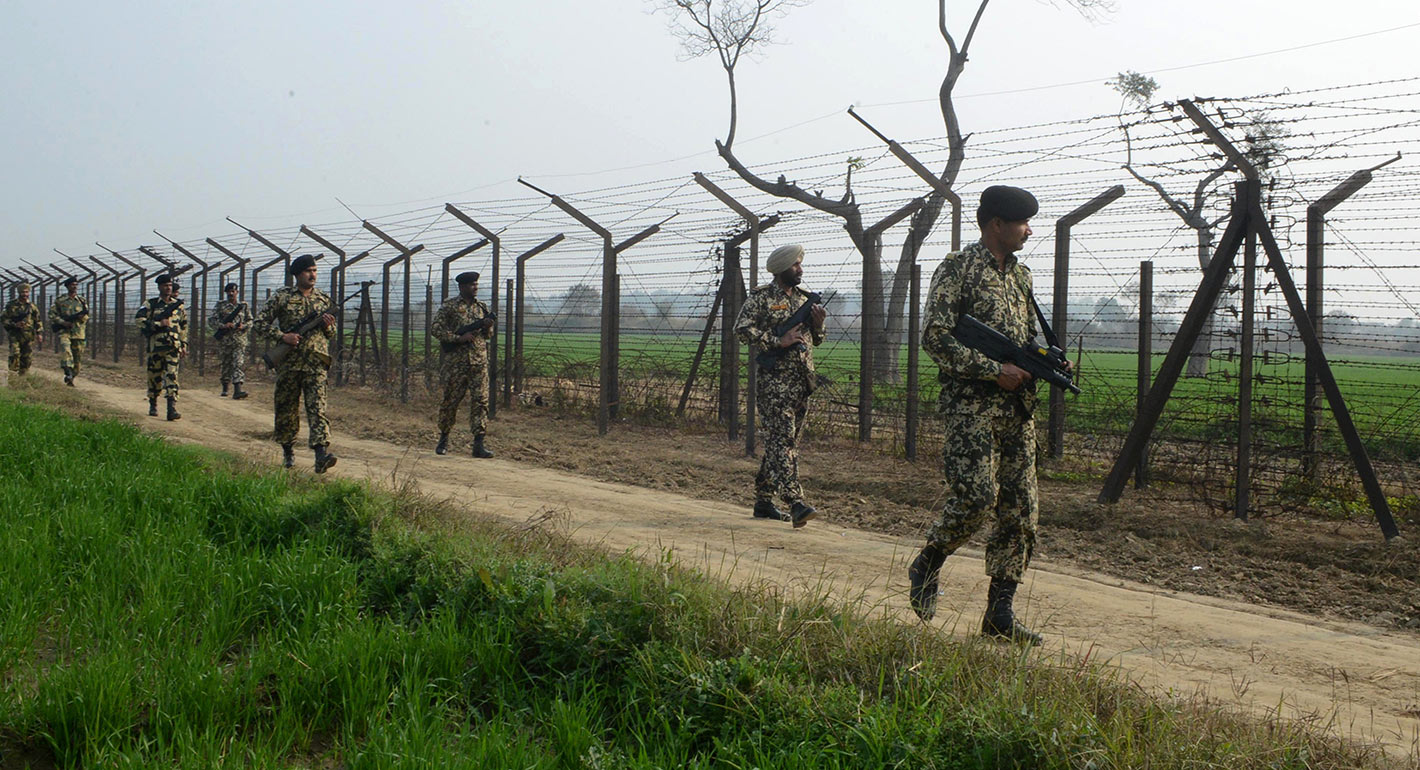
Pakistani President Ayub Khan learnt that military escalation is difficult, if not impossible, to control during the 1965 India-Pakistan War.
Source: Journal of Strategic Studies
Pakistani President Ayub Khan learnt that military escalation is difficult if not impossible to control during the 1965 India-Pakistan War. Ayub Khan and Zulfikar Ali Bhutto developed a strategy to wrest control of Jammu and Kashmir based on four assumptions. First, that Kashmir was ripe for rebellion. Second, that India did not have an appetite for war following her defeat to China in 1962. Third, a military solution to the Kashmir dispute was time bound, as India’s massive military imports would make conventional conflict redundant by the end of the 1960s. Lastly, and perhaps most importantly, Khan betted that Indian retaliation would be controlled because of what he believed to be the United States' and the UK’s inherent interest in a stable South Asia. He was wrong on all four counts. This article underlines why gambling on external support in matters of military adventurism is a dicey strategy at best, and a disaster at worst.
This article was originally published in a special issue of the Journal of Strategic Studies.

Former Director, Carnegie India
Rudra Chaudhuri was the director of Carnegie India. His research focuses on the diplomatic history of South Asia, contemporary security issues, and the important role of emerging technologies and digital public infrastructure in diplomacy, statecraft, and development. He and his team at Carnegie India chair and convene the Global Technology Summit, co-hosted with the Ministry of External Affairs, Government of India.
Recent Work


Rudra Chaudhuri, Tejas Bharadwaj, Konark Bhandari, …
Rudra Chaudhuri
Carnegie does not take institutional positions on public policy issues; the views represented herein are those of the author(s) and do not necessarily reflect the views of Carnegie, its staff, or its trustees.

With the growth in points of friction between the great powers, organizations like the SCO will continue to play a role in the strategic adaptation of the smaller powers caught between them.

Temur Umarov

When faced with fuel shortages in the past, Central Asian governments could always count on additional supplies from Moscow. That safety net no longer exists.

Galiya Ibragimova

Despite unhappiness on the ground, Moscow is determined to use both carrot and stick to ensure there is record support for United Russia in occupied Ukraine.

Konstantin Skorkin
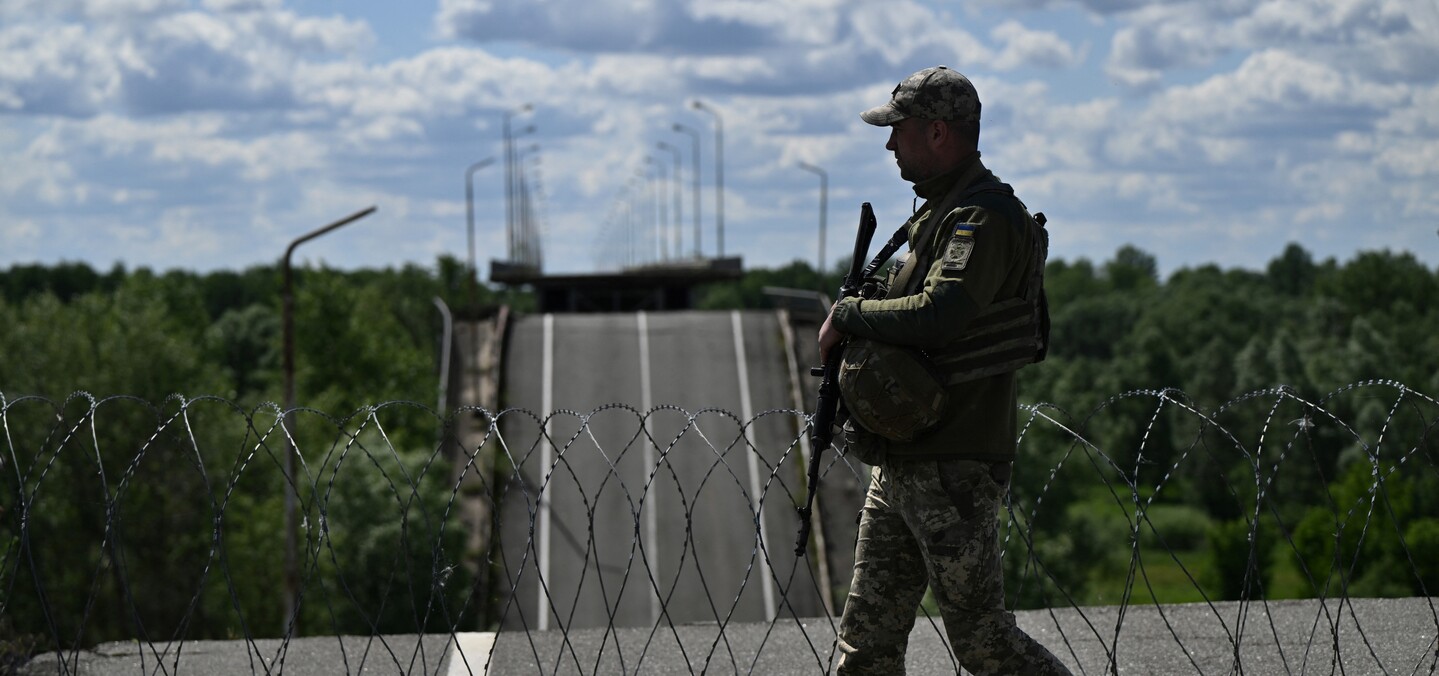
The recent damage inflicted by Ukrainian drones and missiles on Russia has made Belarus aware of its own vulnerabilities—and surprisingly amenable to Kyiv’s demands.

Artyom Shraibman
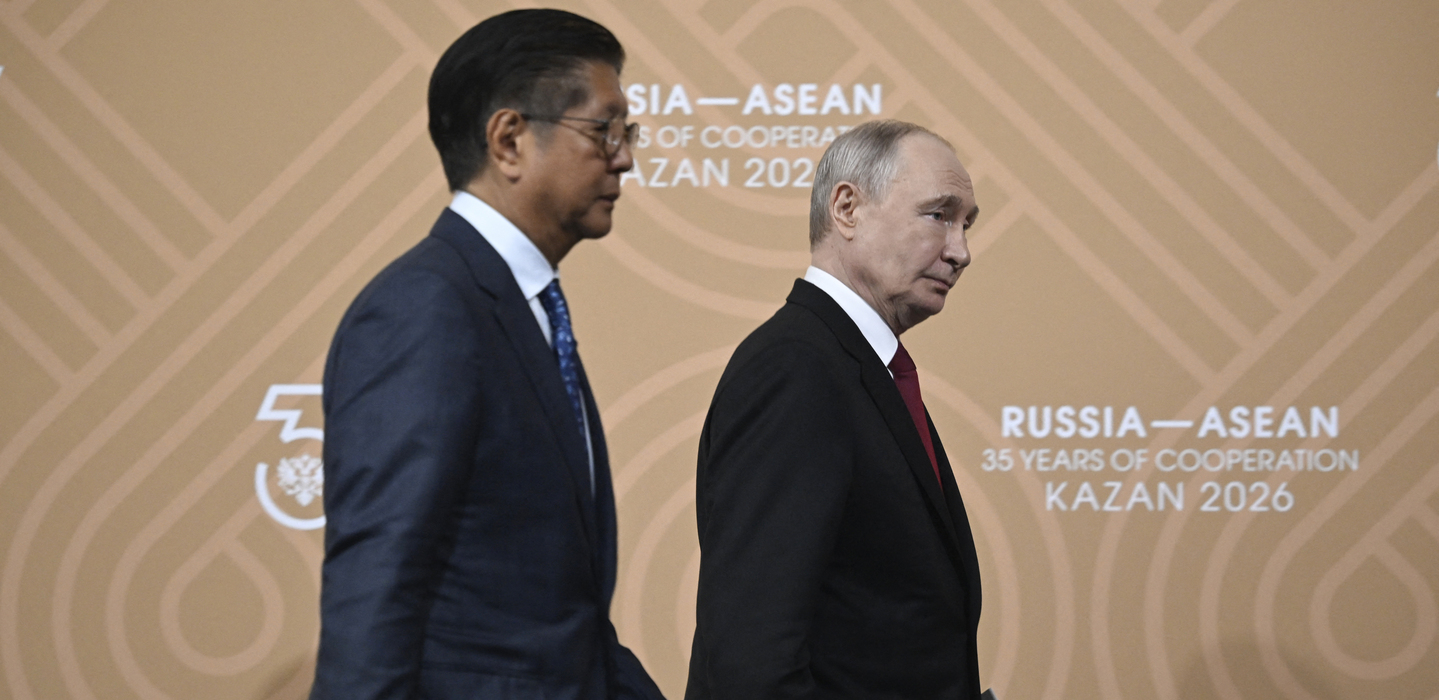
Russia looks set to reap economic benefits from closer ties with Southeast Asian countries that are keen to find reliable energy suppliers and diversify trade ties.

Alexander Gabuev