

Paper
- +3
Rajesh Bansal, Anirudh Burman, Rudra Chaudhuri, …
{
  "authors": [
    "Srinath Raghavan"
  ],
  "type": "legacyinthemedia",
  "centerAffiliationAll": "",
  "centers": [
    "Carnegie Endowment for International Peace",
    "Carnegie India"
  ],
  "collections": [],
  "englishNewsletterAll": "",
  "nonEnglishNewsletterAll": "",
  "primaryCenter": "Carnegie India",
  "programAffiliation": "",
  "programs": [],
  "projects": [
    "Security Studies"
  ],
  "regions": [
    "South Asia",
    "India"
  ],
  "topics": [
    "Domestic Politics"
  ]
}
Source: Getty
After his government voided Article 370, Indian Prime Minister Narendra Modi said that “a new age has begun in Jammu-Kashmir and Ladakh.”
Source: Print
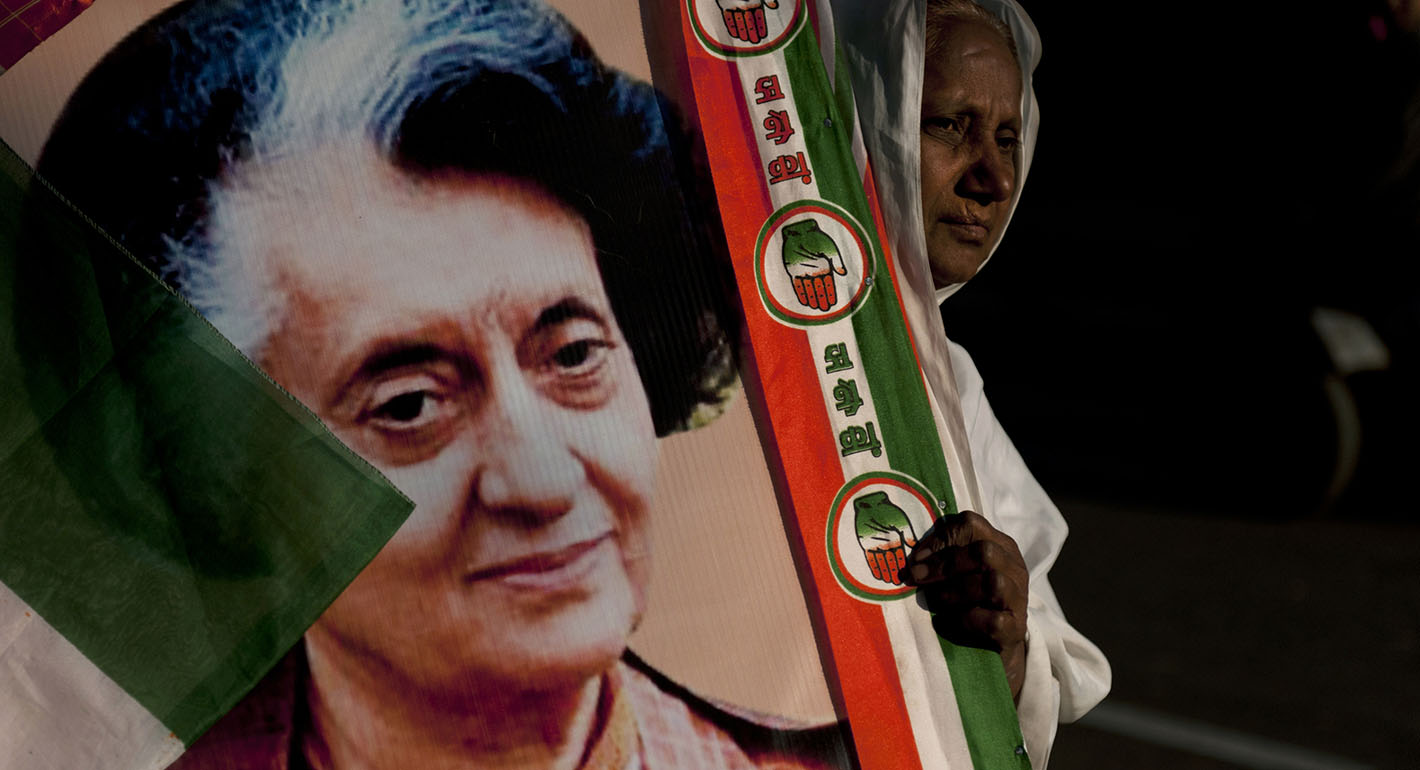
After his government voided Article 370, Prime Minister Narendra Modi said that “a new age has begun in Jammu-Kashmir and Ladakh”. In fact, the quest for a new beginning is not all that novel in the history of Jammu and Kashmir.
Indira Gandhi too wanted to alter the status quo in Kashmir.
In explaining its decision to abolish the special status of Jammu and Kashmir, the Modi government has emphasised the developmental and political benefits that are expected to flow from these arrangements. These moves have indeed wrought a radical change in the constitutional relationship between the Indian union and the erstwhile state of J&K. As we ponder how these arrangements will work out, it may be useful to look back to Indira Gandhi’s attempt at a new beginning.

Nonresident Senior Fellow
Srinath Raghavan is a nonresident senior fellow at Carnegie India. His primary research focus is on the contemporary and historical aspects of India’s foreign and security policies.
Recent Work


Rajesh Bansal, Anirudh Burman, Rudra Chaudhuri, …
Srinath Raghavan
Carnegie does not take institutional positions on public policy issues; the views represented herein are those of the author(s) and do not necessarily reflect the views of Carnegie, its staff, or its trustees.

The demands of the Kremlin’s war in Ukraine, demographic problems, and public hostility toward Central Asians mean Russia does not have enough workers.
Salavat Abylkalikov
The cost of air defense has become an unregistered tax on revenue for businesses. While military rents are consolidated in the federal budget, the costs of defense are being spread across the balance sheets of companies and regional governments.

Alexandra Prokopenko
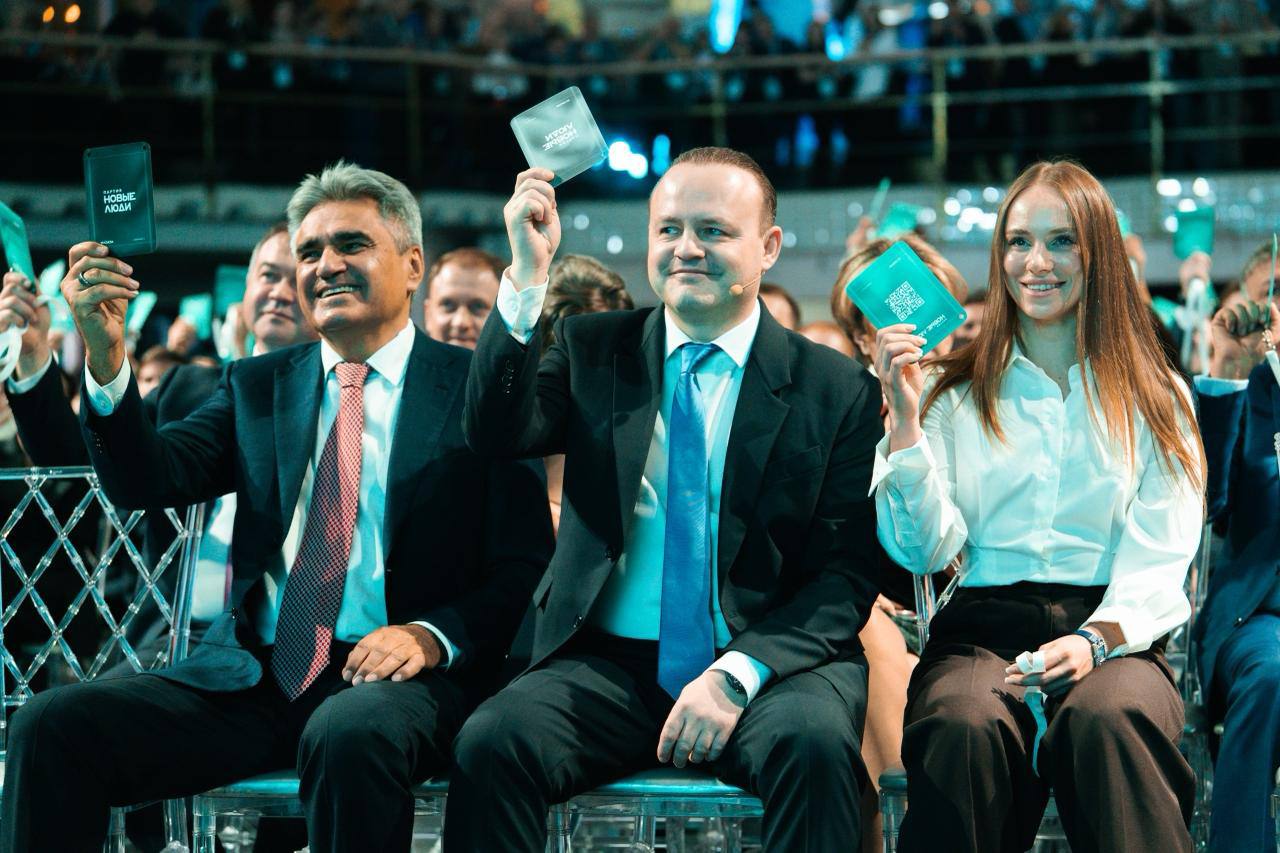
Anger over online restrictions has led to a surge in support for the New People party, which has replaced the Communists as Russia’s second most popular political party.

Andrey Pertsev
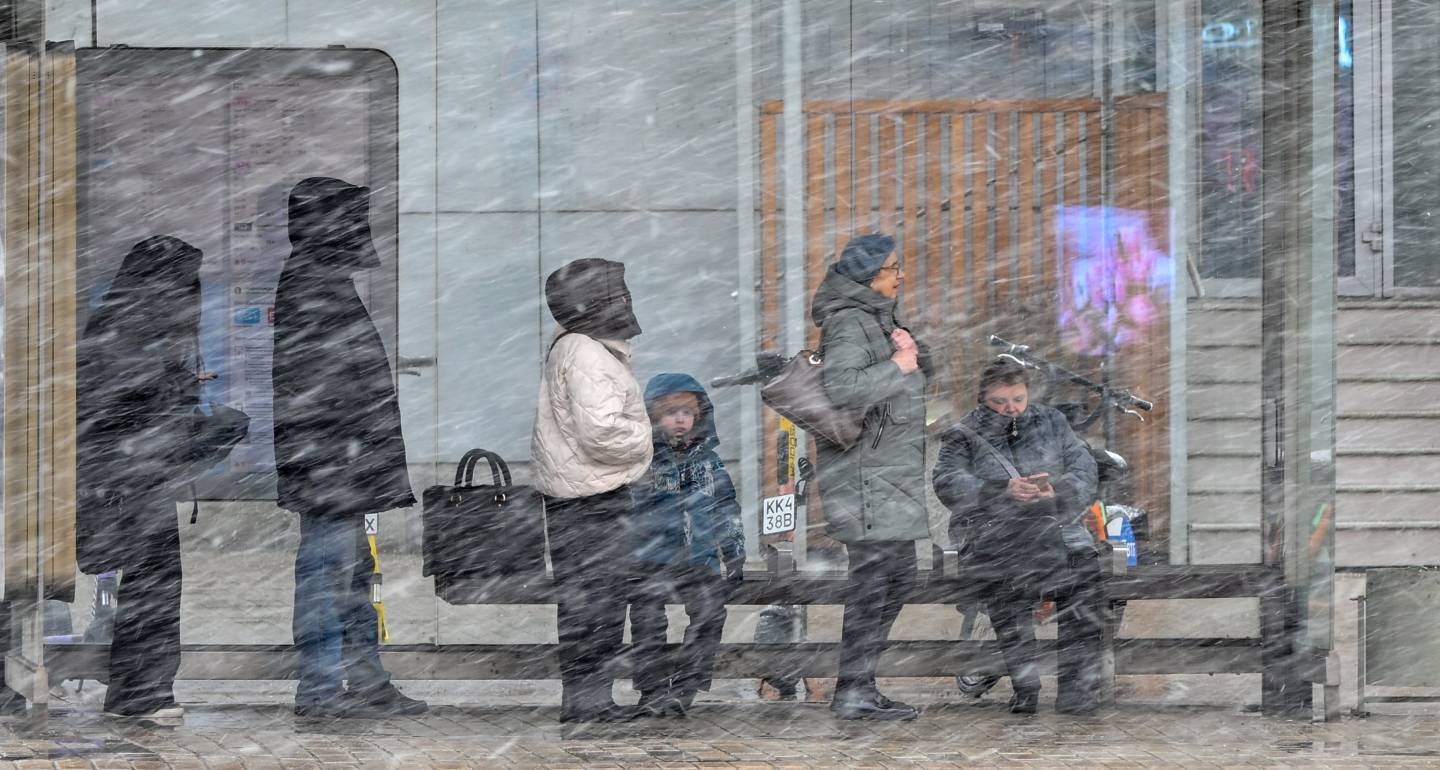
The Russian regime is now visibly motivated by fear.
Alexander Baunov
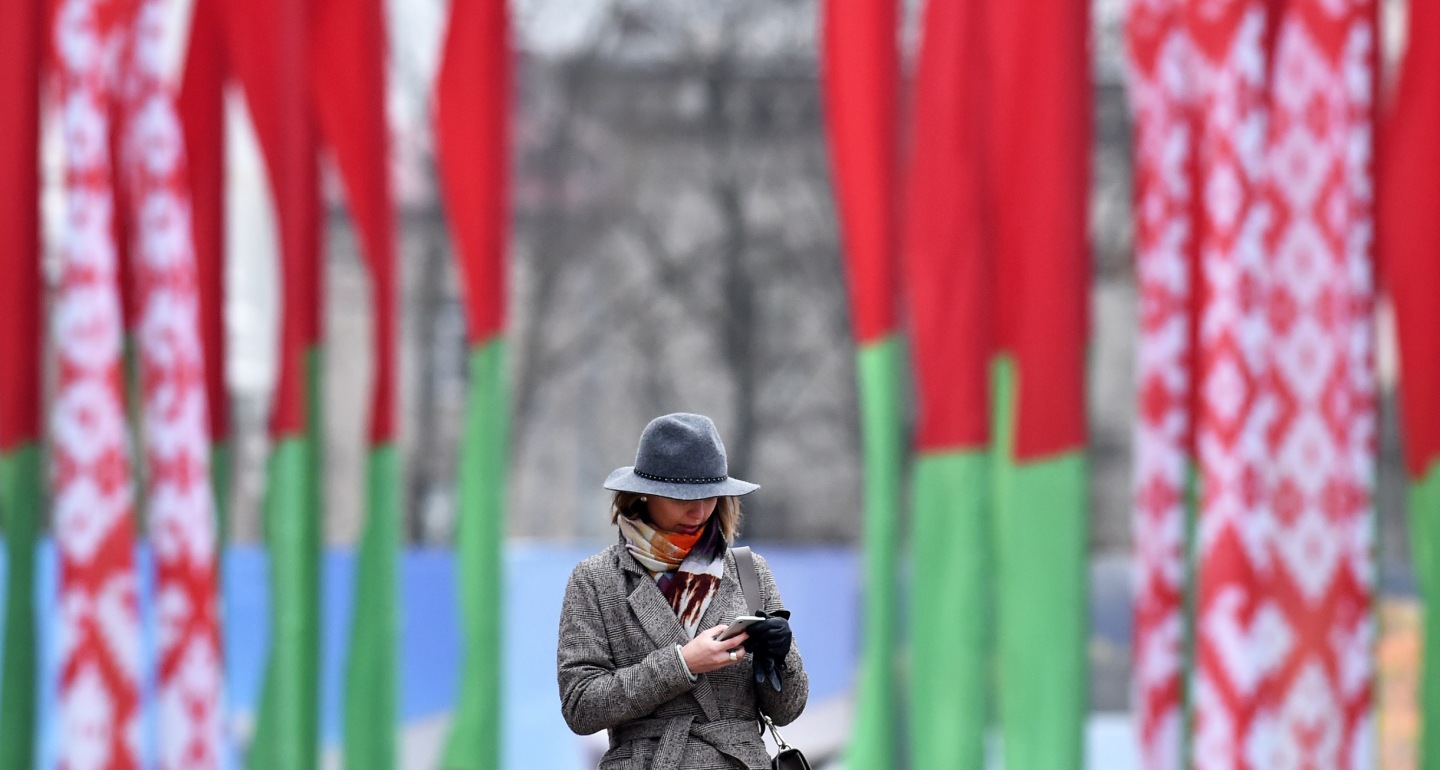
For Lukashenko, abandoning Western internet services and embracing Russian equivalents would mean tying himself even closer to Moscow.

Artyom Shraibman